Petrol and diesel cars will be banned in France by 2040
Country’s new environment minister has revealed drastic plans to cut emissions
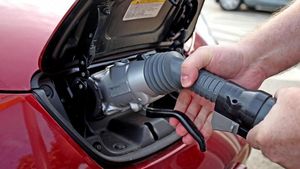
All petrol and diesel vehicles will be banned in France by 2040, the country’s new environment minister has announced.
Nicolas Hulot, a former wildlife TV presenter, told a press conference that “the end of the sale of petrol or petrol-powered vehicles” would happen “between now and 2040”.
He also said the ban would extend to any “new project to use petrol, gas or coal”, as well as shale oil. The move comes as part of newly elected president Emmanuel Macron’s target of a carbon-neutral nation by 2050.
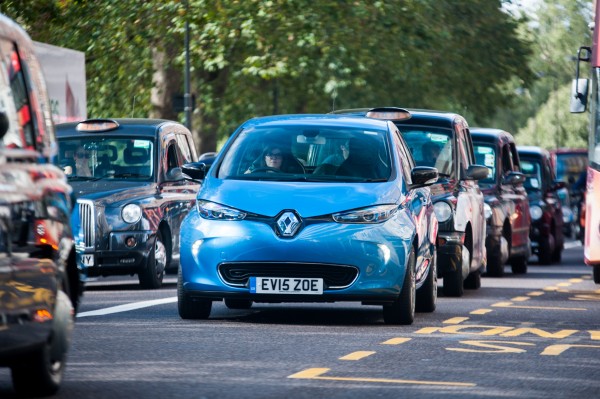
Hulot acknowledged that the target would be “tough”, particularly for car manufacturers, but called the move a “veritable revolution”. To help French citizens make the switch, a green car incentive will be introduced.
“The government will offer each French person a bonus to replace their diesel car dating before 1997 or petrol from before 2001 with a new or second-hand vehicle,” he said.
Yesterday, Volvo announced that it wouldn’t introduce any new models without some form of electrification from 2019, and Hulot pointed to this as evidence that there is a shifting attitude in the industry.
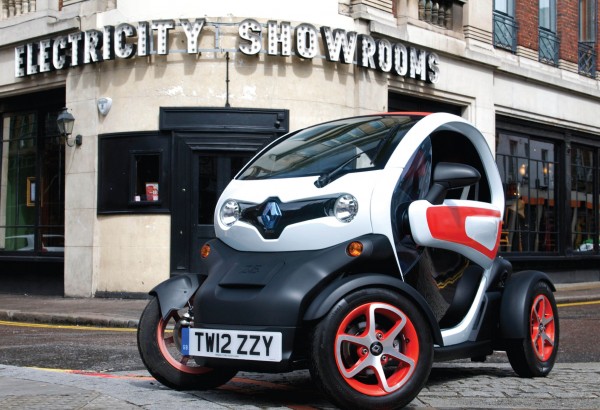
However, it’s not immediately clear from Hulot’s comments whether hybrid vehicles – which use a combination of an electric motor and traditional internal combustion engine – would fall foul of the ban. Getting a whole nation to convert to fully electric vehicles in about 20 years would be a huge challenge.
France isn’t the first country to announce its intention to get rid of polluting vehicles. Germany and India want to remove any vehicles that run purely on petrol or diesel by 2030, with the Netherlands and Norway aiming to do so by 2025.