5 reasons why Smethwick could be UK's first Town of Culture
Smethwick may not be pretty or glamourous, but its contribution to the world we live in today is huge, and for that alone it deserves to be taken seriously in its bid to become the UK's first Town of Culture. Here are five reasons why it is a worthy candidate for the accolade:
1. Galton Bridge
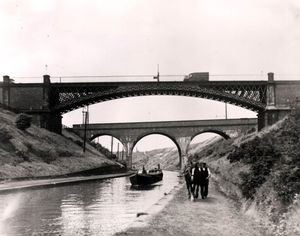
The cast iron bridge was reputedly the highest single-span arch bridge in the world when it opened in 1829, standing 70ft above the Birmingham Canal.
The iron components were fabricated at the nearby Horseley Ironworks, including decorative lamp-posts and X-shaped bracing in the spandrels.
2. Chance Glassworks
Opened in 1822, the company has produced glass for about 2,300 lighthouses, as well as the clockface for Big Ben and the glazing for the Crystal Palace.
The Chance Heritage Trust is now leading a £25 million regeneration scheme to turn the derelict Grade II listed building into a vibrant 'urban village'.
The project aims to restore the nine-acre site, creating 150 homes, workspaces, and a heritage centre.
3. Ruskin Pottery
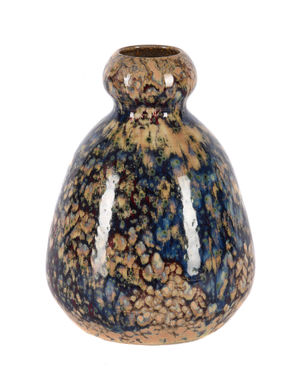
The pottery in Oldbury Road was established by master potter William Howson Taylor in 1935, who was known for his colourful ornaments which became central to the Arts and Crafts movement.
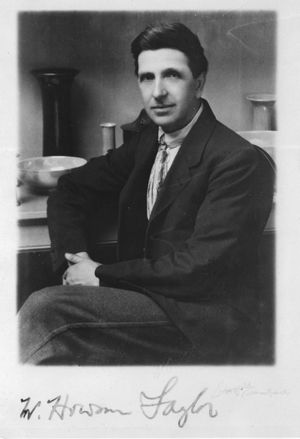
The factory was famous for experimental, vibrant, and, high-fired glazes, including soufflé and flambé, often inspired by Oriental ceramics, ensuring each piece was unique.
4. Arts for all
Thriving 'Arts Without Walls' scene: Initiatives such as the Smethwick Imaginarium and Smethwick Arts Collective use community spaces, parks, libraries, and pubs to deliver theatre, puppetry, and poetry directly to residents, making art accessible to everyone.
5. Its people
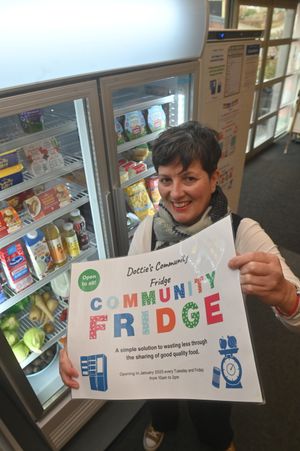
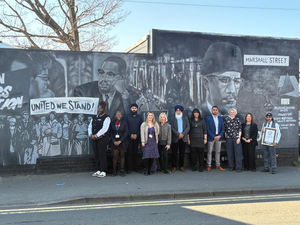
Smethwick has a strong community spirit, with a people determined to write the next chapter in its rich and varied history. While it shares the problems faced by all urban areas, its strength comes from those that live and work there. Initiatives like Dottie’s Community Fridge, which redistributes food that would otherwise go to waste show how people help each other.