We visited a friendly Sandwell neighbourhood that survived Second World War bombings and is big on community spirit
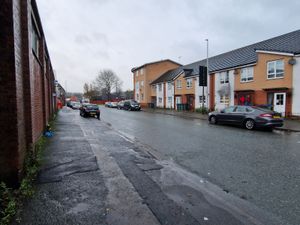
This quiet residential area on the edge of Sandwell is full of community friendliness and people looking out for each other.
Tividale, straddling the area between Dudley, Oldbury and Tipton, was largely developed from the mid-19th century around the main road from Oldbury and Dudley.
The main industries of the area were coal mining and stone quarrying and it became a centre for industries such as iron and brick manufacture, while Tividale Tram workshops opened along the main Tividale Road in 1907 and operated until 1930, before the tramway closed in 1939, as trams were phased out in favour of motorised buses.

The opening of the Birmingham New Road in 1927 provided a more direct route through the area, having been divided along the Dudley and Tipton sections, and Tividale began to expand more with the creation of a number of housing estates such as the Grace Mary Estate and, following the Second World War, the Tividale Hall Estate.
The area was also massively affected by the war, with several air raids by the Luftwaffe destroying homes and killing 27 people. The Luftwaffe are believed to have targeted these areas of Tividale due to their proximity to the "Big Bertha" anti-aircraft gun which was located near City Road.
Modern-day Tividale shows little sign of the scars of war, with new-build estates still being built, including in the Tividale Hall Estate where Tividale FC built its ground The Beeches in 1974 and has remained a big part of the community.