Birmingham City Council’s Labour group accused of 'lack of respect' after work to fix troubled finance IT system was delayed
Birmingham City Council’s ruling Labour group has been accused of a “lack of respect” after work to fix a troubled finance IT system was delayed.
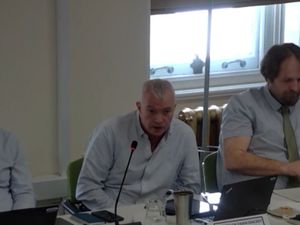
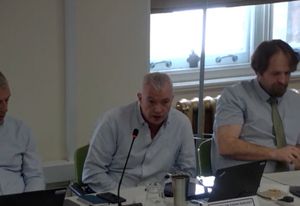
Ewan Mackey, a Conservative councillor, made the remarks at a cabinet meeting this week where there were tense exchanges over the reimplementation of the Oracle system.
Get the latest headlines delivered straight to your inbox with the Express & Star’s free newsletter
The Oracle programme is designed to streamline payments and HR processes but has been plagued with issues since going live in 2022.
It has been referred to as one of the Birmingham-specific factors, as well as an equal pay debacle, that contributed to the council becoming engulfed by a financial crisis in 2023.

The fallout of this ‘bankruptcy’ involved unprecedented cuts to local services and hikes to council tax over the past couple of years.
A deadline was set for April for the reimplementation of the system – rebranded as Brindley – but it was confirmed recently this has been pushed back until later in the year as tests continue.
A recently-published report said the total costs of the programme are now projected to be £144 million.
Coun Saima Suleman, a Labour cabinet member, said at the meeting this week that the council was doing “all we can to get this right” but added the process has “not been simple”.
“This is not simply about pulling the plug and switching it back on again,” she said.
“It involves considerable skills, expertise and understanding of the programme.”
She continued that delays had been “necessary”, saying: “Those decisions have been the right ones.
“The decision to replan the ‘go live’ date to July 2026 was a measured and responsible step taken in a controlled manner and based on evidence of readiness, not optimism or momentum.
“We can say with confidence the programme is on firm footing.”
Coun Rob Pocock, the Labour cabinet member overseeing transformation, also described the decision to delay as ‘right’ and ‘brave’.
“An arbitrary date is not the key issue – a system that works is,” he said.
But Coun Ewan Mackey, deputy leader of the opposition, expressed anger over the situation and argued the council was “about to go into an election without a fully functioning account system”.
“This system is not fully functioning and you wouldn’t have thought that from what’s been said here today,” the Conservative councillor said.
“I think it’s a real shame because a bit of humility would have been better in order here.
“I’m genuinely incensed about what’s been said here today – it shows a lack of respect.”
Coun Suleman responded: “Our focus has been on getting this right – it’s not about rushing to a particular date.”
Government-appointed commissioners, sent in to oversee the council’s recovery, wrote that there remains a “great deal of work to be done and challenges ahead”.
But they also wrote the programme “rightly” remains focused on a July implementation window and recognised the successful implementation of a new income management system.
Carol Culley, executive director of finance at the council, acknowledged the £144m figure was a “large number” during the meeting but added: “That covers a period from 2018-19 to the budgeted costs for 2027-28.
“Those costs include the original implementation, the costs of supporting the live current system and the reimplementation costs,” she said.
“So [that figure] is over a long period of time.”
She also stressed: “I would like to give cabinet assurance that the current version of Oracle provides us with robust financial information.
“While the system may have its fragilities, we are getting reliable information from it now.”
At this year’s budget meeting, council leader John Cotton said an enormous financial black hole had been closed and insisted the ‘bankrupt Birmingham’ tag had now been ditched.