Step forward for Birmingham Council’s plans to increase council tax
Birmingham Council’s plans to increase council tax by around 5 per cent have taken a step forward.
The Labour-run authority recently revealed details of its proposed budget for the next financial year, saying last week that it is no longer ‘bankrupt’.
Get the latest headlines delivered straight to your inbox with the Express & Star’s free newsletter
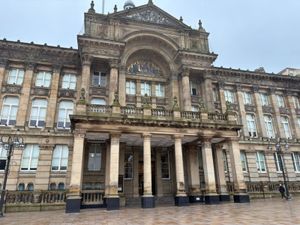
After declaring itself effectively bankrupt in 2023, the council approved unprecedented cuts to local services and hiked council tax by around 10 per cent and then about 7.5 per cent the following year.
But despite a huge £300 million budget gap being closed and disruption from the ongoing bins strike, a council tax rise of 4.99 per cent is being proposed for Birmingham in 2026/27.
The government caps the amount most councils can increase their precepts by, with the cap being 5 per cent for councils such as Birmingham.
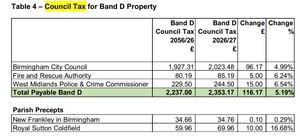
If this proposed rise is approved by full council, council tax for a Band D property would rise from £2,237 to £2,353.17 from this April – a rise of just over £116.
This figure includes Fire and Rescue Authority and Police and Crime Commissioner precepts, which are subject to formal approval.
Asked about council tax by the Local Democracy Reporting Service last week, council leader John Cotton said: “Obviously I regret the fact that we found ourselves in the position where we had to take the increases that we did in the two previous budgets.
“We’re now back in the mainstream of local government following practice when it comes to council tax across the country.
“And we continue to maintain that very generous council tax support scheme.”
He added: “When it comes to average council tax per household, we are low end of the table compared to the other core cities.”
Amid anger over the suspension of recycling collections due to the bins strike, the council has also in the past pointed out that council tax is collected to fund local services generally.
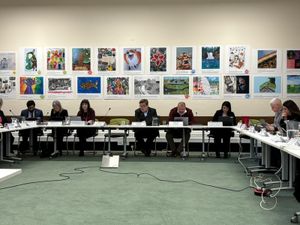
Cabinet members at the council agreed to budget plans at a meeting today, February 10, where opposition councillors voiced anger over recent council tax rises.
Coun Roger Harmer, leader of the Liberal Democrats group, argued the council was still a “long way” from being back on track, pointing to the council tax hikes in recent years and ongoing challenges such as the bins strike.
“Our streets are covered in fly-tipping, our roads are crumbling, and our council tax has soared year on year,” he said in a statement last week.
“Having a council not declare bankruptcy is the bare minimum.”
Robert Alden, leader of the opposition and Conservative councillor, argued last Tuesday that “council tax has rocketed while services have been slashed”.
“History shows Labour’s track record in Birmingham leads to waste, delays, and repeated crises,” fellow Conservative councillor Ewan Mackey added.
‘Significant moment in council’s recovery’
Issuing a statement on the latest budget plans, Coun Cotton said the enormous budget gap had been plugged while equal pay liabilities had also been tackled.
“Thanks to the decisive, tough action we took to get the council back on track, the ‘bankrupt Birmingham’ tag is now a thing of the past,” he said.
“This is a significant moment in the council’s recovery and is down to the sheer hard work that has been undertaken here in Birmingham by members and officers, supported by [government-appointed] commissioners.”
“I’m ambitious for Birmingham’s future,” he continued.
“Now we will step up our work with West Midlands Mayor Richard Parker and Government to invest in our communities, delivering the homes, jobs and services that the people of this city deserve.”
The council also said this week said its budget for 2026/27 includes an extra £130m investment in council services, which would focus on cleaner, safer streets and better local services.
Birmingham-specific issues contributed to the council’s financial crisis, such as the equal pay and Oracle debacles, while Labour councillors have partly blamed funding cuts during the previous Conservative government.
The bins strike dispute between the council and Unite the union was initially triggered by the loss of the Waste Recycling and Collection Officer role.
The past 12 months or so have seen striking workers claim they face a pay cut of £8,000 – a figure the council disputes.
The authority has also repeatedly insisted that a fair offer had been made before negotiations came to an end last summer.