
Major decision for estate’s regeneration in Birmingham quashed by High Court

The decision to give planning permission to a major regeneration scheme in Birmingham has been quashed by the High Court.
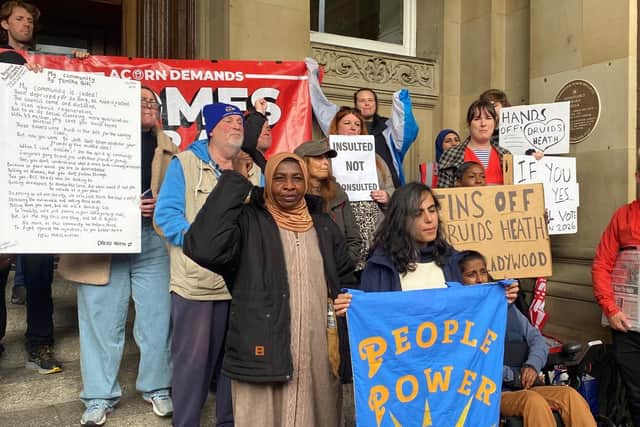
The setback for the Druids Heath scheme, which would drastically transform the estate, follows a legal challenge being launched by a number of residents.
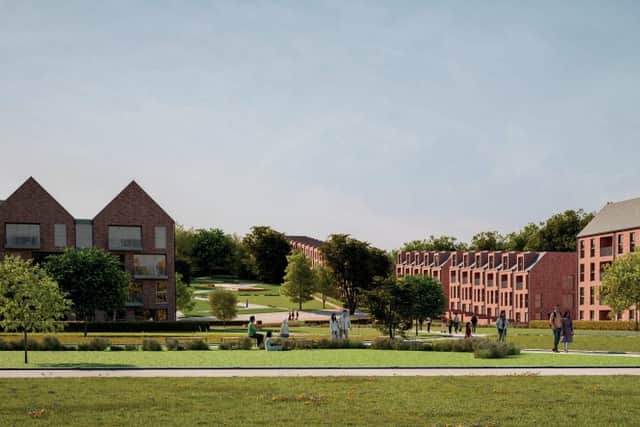
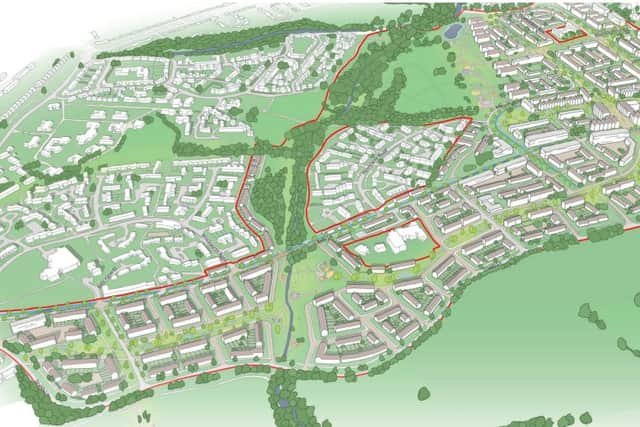
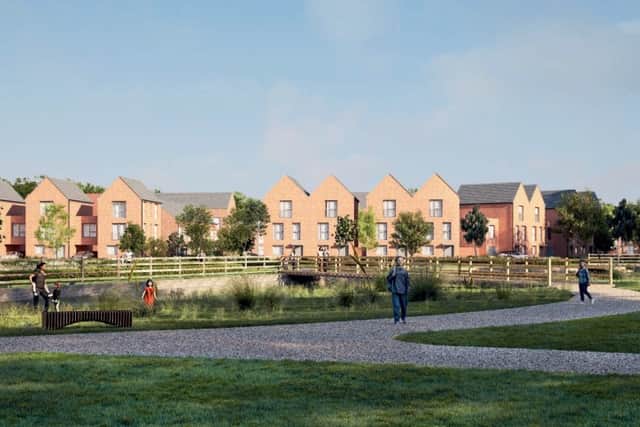
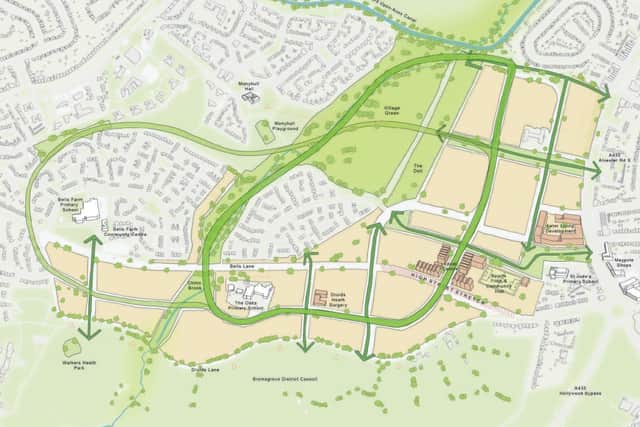
The city council has said its regeneration project will provide thousands of new homes as well as new infrastructure, transport links, green spaces and much more.
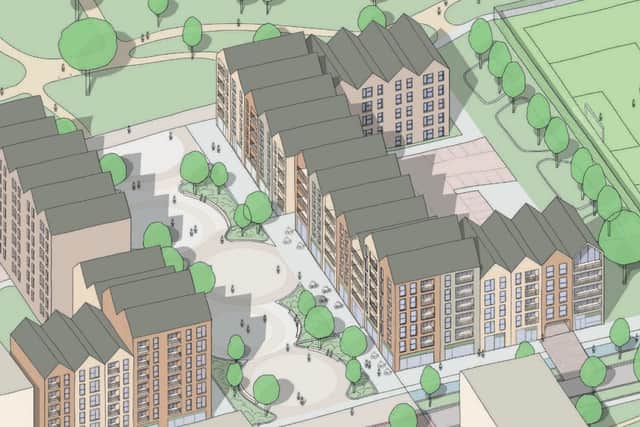

But concerns have been raised over the scheme’s potential impact on the community, the levels of demolition and fears existing residents will be priced out of the area.
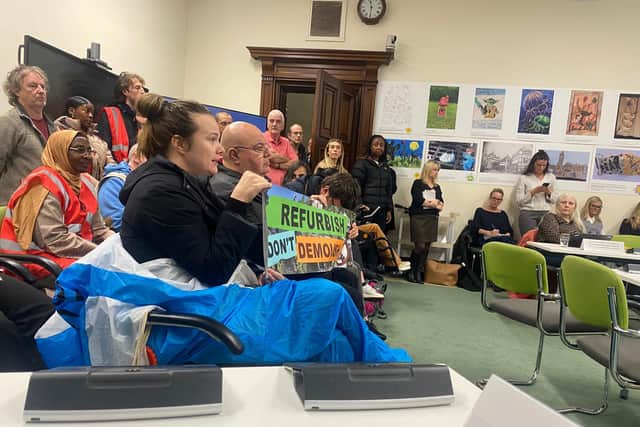
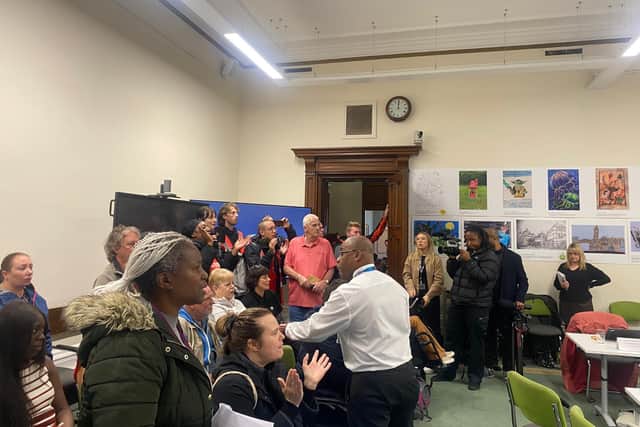
Ongoing tension led to furious outbursts during October’s planning meeting, which saw the committee narrowly approve the plans for Druids Heath.
A legal challenge was then threatened by residents towards the end of last year, calling on the council to overturn the decision to grant outline planning permission for the scheme.
Central England Law Centre (CELC) argued that the council failed to disclose the full Financial Viability Assessment when the plans were approved.
This assessment was used to justify why the planning application only detailed around 11 percent affordable housing (400 out of 3,500 homes), despite the council saying it would deliver 51 per cent.
Following this challenge, Labour-run Birmingham Council confirmed it had requested the court quash the original planning decision – and this has now been agreed.
This means delays for the regeneration scheme, which will have to be brought back to the planning committee again for a decision.
“We can confirm our application to quash the outline planning application has been agreed, following a legal challenge from a small number of residents,” a council spokesperson said today, February 4.
“Now the basis of that challenge will be addressed by making the Financial Viability Assessment for the scheme public.”
They continued: “We know the community is keen to see regeneration plans move forward.
“We regret the delays that this challenge causes, particularly the demolition of cleared tower blocks, which cannot be achieved without planning consent.”
Elayne Hill, CEO of CELC, argued that the case “demonstrates why transparency matters”.
“Where key information is withheld, communities are denied the opportunity to understand and scrutinise what is being proposed properly,” she said.
“We welcome the council’s decision to concede and the recognition that this process fell short.”
Druids Heath resident Alison Parr, added: “This community deserves transparency and to know what will happen to our homes, so that we can plan our lives instead of feeling in limbo.”
‘It’s unacceptable we’re in this position’
Members of Birmingham’s planning committee described the setback as “appalling”, “concerning” and “embarrassing” last month.
Pointing to the fact it’s a council scheme, Coun Gareth Moore said: “It’s embarrassing we can’t get our own house in order.”
A frustrated Coun Martin Brooks said: “It’s quite appalling that the city council has actually failed to provide the information necessary.”
“It is unacceptable that we’re in this position,” Coun Philip Davis added. “Surely it’s the duty of [council] officers to make sure reports to this committee are future-proofed against legal action and other risks.
“It’s really concerning we’ve been placed in this position.”
Amid concerns over the scheme, the council has repeatedly insisted that it is committed to making just over half of the future homes “affordable”.
“For over two years, the council has worked with the community to create a plan for the regeneration of Druids Heath, holding discussions with more than 1,000 residents, of which 68 per cent support the scheme,” a council spokesperson said.
“The council’s commitment to delivery remains.
“The council will progress the scheme through the planning process as soon as feasibly possible, honouring its commitments to residents.”
They previously said the Financial Viability Assessment contained commercially sensitive information that could not be released while the council were in a procurement process to identify their preferred partner.
This meant that it was not available to the planning committee when they made their original decision.
October’s planning meeting also heard that the levels of demolition were necessary as “most homes in Druids Heath require millions of pounds in investment to bring them up to only minimum standards”.
Comment Guidelines
Iconic Media encourages reader discussion on our stories. User feedback, insights and back-and-forth exchanges add a rich layer of context to reporting. Please review our Community Guidelines before commenting.