Birmingham's most ‘dangerous’ roads slammed amid council pothole fixing rating
Birmingham’s most pothole-ridden roads have been slammed as “dangerous” as the city council is told there is ‘room to improve’ when it comes to fixing highways.
This month saw councils across the country rated on their pothole repairs as part of a new government initiative.
The traffic light rating system gives every local authority in England a red, amber or green rating to help the public see which ones are fixing potholes effectively.
Those who scored ‘green’, such as Sandwell Council, were able to show they were following best practice, such as investing in long-term preventative measures while also maintaining good road conditions.
Labour-run Birmingham City Council’s ‘amber’ rating means the local authority has shown “some of these qualities with room for improvement in individual areas”.
Drivers in Birmingham have long complained about the state of the city’s roads, some of which have attracted concern over their condition.
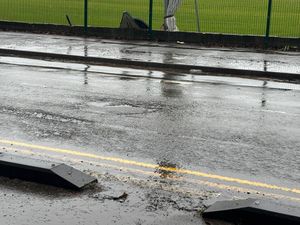
Liberal Democrat Councillor Izzy Knowles, who represents Moseley, recently said that she had received “loads of complaints about the state of Edgbaston Road outside the cricket training ground”.
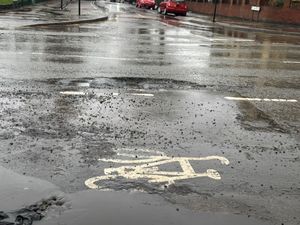
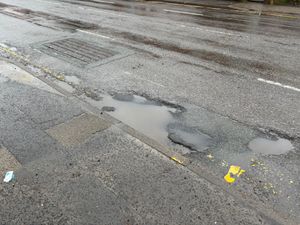
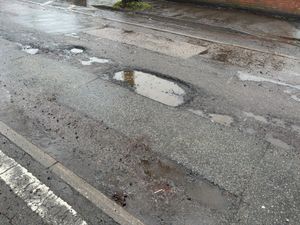
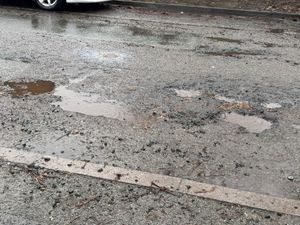
Despite the city council being contacted, the road continued to be plagued by significant potholes during a visit to the area on Tuesday afternoon, January 13.
Potholes, which had been turned into mini-lakes due to recent wet weather, were also providing obstacles for drivers in nearby Pershore Road and Cannon Hill Road.
Against this backdrop, residents and motorists have said they are frustrated with Birmingham’s pothole situation.
“It’s dangerous now – if a motorcyclist hits one it could be a fatality,” Anne Lacey said. “Also I’ve seen motorists ‘swerving’ to avoid them which is a danger to other drivers.”
“I drive along [Edgbaston Road] at least four times a week,” Rosemary Griffiths said. “It’s bad and getting worse.
“Priory Road is also a disgrace.”
Farina Ahmed said: “It is really bad. I drive through there often and swerve most of the time.”
One local added: “The problem is not just by the cricket ground – it’s all down Priory Road and all the way along Wake Green Road.
“A journey along here is a journey to hell.”
Campaigners have also spoken out, with Better Streets for Birmingham chair Martin Price arguing that the quality of the city’s highways is a “key aspect of safe roads”.
“Today’s conditions are particularly dangerous for pedestrians navigating loose paving slabs and cyclists swerving to avoid potholes,” he told the Local Democracy Reporting Service.
“It also impacts the smoothness of bus journeys and can sometimes lead to vehicle damage for those driving.”

He continued that Birmingham’s amber rating “will not come as a surprise to anyone”.
“Some key routes are in poor shape as a result of mostly reactive maintenance,” he said.
“It’s important that [the money spent on highways maintenance] is spent well.
“However, the council continues to fight a losing battle with bigger and heavier cars wearing out roads with more frequent journeys in more extreme weather.”
‘Our roads were left to deteriorate’
The government’s red, amber, green ratings are based on three key areas:
The condition of local roads
How much local authorities are spending on road repairs
Whether they are following best practice in maintaining highways
Those councils rated ‘red’ are not yet meeting the expected standards in one or several areas measured by the ratings.
Birmingham City Council has been contacted for comment about its amber rating.
The Labour government meanwhile has said it has backed local authorities with a “record multi-year investment” to improve the condition of their roads after years of them “calling for long-term certainty”.
It said this allows them to repair potholes effectively and “move away from expensive, short-term repairs and instead invest in long-term preventative measures”.
Transport Secretary Heidi Alexander said: “For too long, drivers have paid the price because our roads were left to deteriorate.
“I have heard time and again their frustration on footing the bill because they hit a pothole – money they should never have to spend in the first place.”
RAC Head of Policy Simon Williams added: “These new ratings are a positive move that will help drivers understand how councils are performing when it comes to improving the state of local roads.
“We hope this initiative, plus the promise of longer-term funding for councils to allow them to plan and carry out much-needed preventative maintenance, means we’re finally on the way to having smoother, better roads.”