Birmingham's bin strike could cost already cash-strapped council at least £19m by March
Birmingham City Council has admitted the disruption from the ongoing bins strike could cost the organisation at least £19 million by March.
The industrial action has now dragged on into its second year, with the Labour-run council and Unite the union still unable to break the deadlock and reach a resolution.
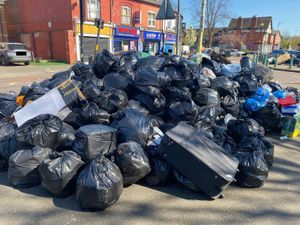
As well as disrupting bin collections for residents, the strike has inflicted a significant cost on a council which is recovering from a financial crisis.
A new report by the council’s director of finance Carol Culley has revealed that the forecast one-off and direct costs of the strike will total £14.6m if it continues to the end of March.
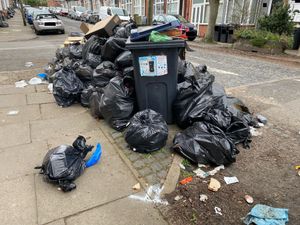
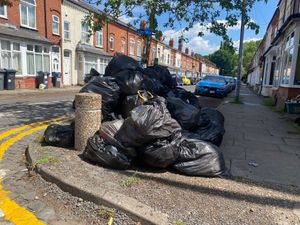
These costs include street cleansing, security costs and additional support to tackle the accumulation of waste.
The report went on to say that the cost of lost income from garden waste being suspended is estimated to be £4.4m.
“Residents have been reimbursed the payments for the garden waste service and the service will not be resumed within this financial year,” it said.
Back in October, the council’s cabinet approved recommendations that both the direct costs, which were £9.6m at the time, and loss of income from garden waste be met using the council’s reserves.
It is now planned to fund the remainder of the direct costs using corporate underspends.
The report added that a proportion of the these costs were offset by the reduction in staff costs for workers undertaking industrial action and therefore being paid by their union.
The report also acknowledged that the bins strike will have an impact on the council’s ability to make savings by transforming the waste service – a crucial project which was pushed back.
It has been described as a key part of the council’s recovery plan and would have seen collections move from weekly to fortnightly last year.
Weekly food waste collections and a second recycling bin specifically for recycling paper and cardboard were also set to be introduced in phases across the city.
The transformation programme is now planned to be rolled out this summer – regardless of whether the strike is ongoing.
On the impact on these savings, the report said: “The directorate have been asked to identify alternative cost savings and mitigations where possible, but it is unlikely that the risks can be fully offset.”
Why has a resolution not been reached?
The bins strike dispute between Unite and the council was initially triggered by the loss of the Waste Recycling and Collection Officer role.
The past year has seen striking workers claim they face a pay cut of £8,000 – a figure the council has disputed.
The two parties failed to resolve the dispute despite talks taking place, with the local authority insisting a fair offer had been made.
Negotiations officially came to an end last summer as the council said it had ‘reached the absolute limit of what we can offer’ amid equal pay fears.

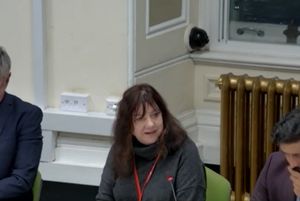
On the challenges in finding a resolution, managing director Joanne Roney told a recent meeting that settling the dispute “cannot worsen the equal pay implications” for the council.
She went on to say that there were also financial ‘best-value’ considerations that will be looked at by government-appointed commissioners, sent in to oversee the council’s financial recovery.
“It is incredibly difficult to find a way through these various hurdles,” she said.
“Two offers have been made to try and settle this dispute,” she also told councillors. “And both of those offers were rejected by Unite.
“That is why we have not been able to resolve the dispute, because the offers were rejected.”
These remarks prompted a defiant response from Unite this week, who slammed the comments as “misleading”.
The union claims that a “ballpark” deal had been agreed last year after hours of discussions but added this figure could not get past the commissioners.
Unite claims this new offer was much lower compared to the “ballpark” figure and therefore couldn’t accept it
The council would later confirm that the bins strike negotiations had ended shortly afterwards.
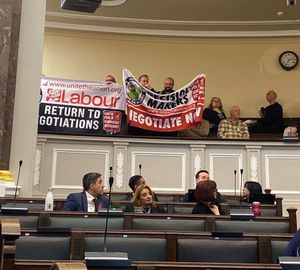
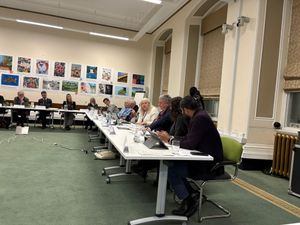
Joanne Roney said during last week’s meeting, held on the one year anniversary of the bins strike starting, that ‘doors remain open’ if the union wanted to make a proposal back.
But refuse collector and Unite member Matthew Reid disagreed, saying: “They say their doors are open for us to go back and get that offer they’ve offered us before, which we’ve already rejected.”
You can read more about the bins strike dispute, and the hurdles at the heart of the negotiations, here.