West Midlands MP slams city’s housing target amid green belt row
A Midlands MP campaigning to ‘save’ the green belt is calling for Birmingham to take its “fair share” of new homes.
The Labour government last year set out its ambition to deliver 1.5 million new homes in England by the end of the current Parliament.
Councils have been set targets for the numbers of new homes they should be helping to create in their areas every year, with some needing huge increases compared with their recent record.
One such place is Bromsgrove, an area home to numerous villages and swathes of countryside, which now faces a target of 713 homes a year.
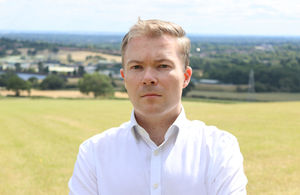
Bradley Thomas, MP for Bromsgrove and the Villages, says this means the area’s housing target has risen by more than 80 per cent and has launched a petition amid fears over the number of new homes that could be built on the green belt.
The target for Birmingham meanwhile has been reduced by over 30 per cent to roughly 4,500 homes a year.
The government said last summer that in addition to restoring mandatory housing targets, the method used to calculate them would be updated.
“The new method will require councils to ensure homes are built in the right places and development is proportionate to the size of existing communities, while adding an extra level of ambition in the most unaffordable areas,” it said.
But Mr Thomas has hit out at the decision to reduce the target in Birmingham, saying the city has “hectares of brownfield land” that could be built on.
Issuing a message to residents, the Conservative MP said recently: “Let’s speak loudly with one voice to tell the government that we do not want our green belt built on in the name of a flawed housing figure.
“Instead, the government must reverse our increase, reverse the reduction in Birmingham’s target, build on brownfield first and, where houses are built, provide communities with the infrastructure they need before any houses are built.”
The petition, which has been signed by more than 5,600 people, is set to be presented in the House of Commons, after which its text will be sent to the relevant government department.
Addressing the concerns raised by Mr Thomas, a Ministry of Housing, Communities and Local Government spokesperson said the Labour government had “inherited the worst housing crisis in living memory”.
“All areas, including Bromsgrove, must play their part to build 1.5 million homes and restore the dream of home ownership,” they continued.
“Our housing targets have been set in line with the needs of local areas, so more homes will be built in the right places alongside the necessary infrastructure.”
Labour-run Birmingham City Council meanwhile is undertaking a review of its Local Plan to ensure future development needs are catered for in the period up to 2044.
It is currently consulting on a document which sets out the future development strategy to meet the city’s housing and employment needs on mainly brownfield sites within the city centre growth zones.
‘Green belt reform is welcome’
The government also said last year that councils should maximise brownfield land and review their green belt land if needed to meet their own target.
This includes identifying and prioritising ‘grey belt’ land, such as land on the edge of existing settlements or roads as well as old petrol stations and car parks.
“In all cases, land that is safeguarded for environmental reasons will continue to be protected,” the government said last July.
“Land released in the green belt will be subject to the government’s ‘golden rules’, which make clear that development should deliver 50 per cent affordable homes, increase access to green spaces and put the necessary infrastructure is in place, such as schools and GP surgeries.”
Andrew Carter, Chief Executive at Centre for Cities, welcomed the moves at the time, saying: “Green belt reform in particular is welcome.
“The UK’s biggest cities are surrounded by green belts several times their size, constraining the supply of homes for people who live and work in these places.”