Money and mental health concerns for places of worship at lockdown
"We worry about what this will do to our members as they could struggle to cope with this new lockdown."
Like many other businesses and organisations across the region, places of worship have been coming to terms with the new restrictions set to be imposed by the upcoming lockdown.
The government website has stated that all places of worship, including churches, mosques and gurdwaras, will have to close for the duration of lockdown.
They will only be allowed to remain open if they are being used for a specific set of reasons including funerals, to broadcast acts of worship and individual prayer.
Places of worship can also remain open if they are used for formal childcare or where part of a school, essential voluntary and public services, such as blood donation or food banks and other exempted activities such as some support groups.
More Covid-19 coverage:
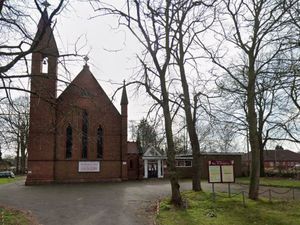
The upcoming lockdown has hit the St John's Church Preservation Group, who are working to save and restore the Grade II listed St John's Church in Kates Hill in Dudley, especially hard.
Group chair Deb Brownlee said the group had seen footfall inside the church fall dramatically over the last few weeks, with just £10.20 taken in sales in the shop on Sunday, and said another lockdown seemed unnecessary.
She said: "I personally think we should be leaving it to people to be grown-ups and be sensible, because why ruin everyone's lives and businesses with another lockdown?
"You can't get immunity from this virus, so it's not going to stop and I don't think we should live in lockdown forever as it's going to leave charities such as ours in severe dire straits.
"Our overheads are £2,000 a month and we don't have anything coming in, so I don't know how we're going to survive this lockdown."
Other religious organisations have been looking at how they and their members will cope during the lockdown.
Toby Ephram, outreach officer for the Baitul Atta Mosque in Wolverhampton, said he worried about the effect it would have on members of the Ahmadiyya Muslim community.
He said: "My main concern is for the mental health of our members as there is no doubt to me that people are being affected by this as they thought we were heading into normality.
"It's going to be a big challenge for us as the place of worship is somewhere people go to be together, to share and develop friendships, so not being allowed to come here will hit them hard."
Across the city, Satpal Sharma, general secretary of the Shree Krishan Mandir Hindu temple, also said the closures would have an impact on members and on Diwali celebrations, which is on November 14.
He said: "A lot of the devotees who come to the temple have been talking to me about this and they are being affected by this mentally, especially some of the older people.
"It changes how we will celebrate Diwali as we cannot do the celebrations we would normally do, so this will affect us in terms of our celebrations.
"We do believe, however, that life is more important right now, so we will follow the rules and support them as best as we can."
Gurdwaras across the region have had to adapt how they run their services, with the Guru Nanaksar in Walsall one of many to seek guidance from the Sikh Council.
Gurdwara president Harjit Dhillon said: "We will follow the structure that is presented to us as to how we operate going forward.
"We will ensure that people are only able to come in and pray and not sit down while doing so, so we will do what we can to follow the rules."