Video outlines meningitis symptoms as two more confirmed or probable cases announced
Watch a video explaining what meningitis is and what the symptoms are as two more confirmed or probable cases are announced.
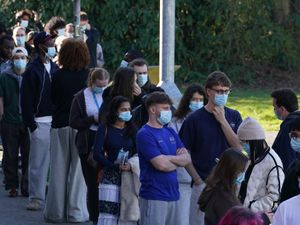
The UK Health Security Agency (UKHSA) says there are now 29 confirmed or probable cases of meningitis linked to the outbreak in Kent as of lunchtime on March 19 - an increase of two cases from the day before.
13 of the 18 confirmed cases are meningococcal group B (MenB).
UKHSA laboratories have completed an initial genetic analysis of a meningococcal strain isolated during this outbreak. Results have confirmed that the Bexsero vaccine currently being offered in Kent should provide protection against the strain identified.
Meera Chand, Strategic Response Director, said: “The latest laboratory analysis by UKHSA confirms that the vaccine being offered to students and other eligible groups should cover this circulating strain of MenB, with further analysis ongoing to understand more about the strain.
“It’s vital that people are aware of the signs and symptoms of invasive meningococcal disease and seek immediate medical attention if they or anyone they know develops symptoms. The risk to the wider population remains low and UKHSA continues to work with partners to identify contacts and offer necessary treatment.”
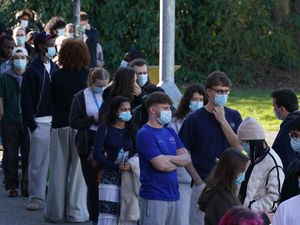
Two Kent students, 18-year-old sixth-form pupil Juliette Kenny and a 21-year-old university student, died from the infection last week.
The NHS says symptoms of meningitis can appear in any order and some may not appear at all. In the early stages, there may not be a rash, or the rash may fade when pressure is applied.
You should get medical help immediately if you're concerned about yourself or your child. Trust your instincts and do not wait for all the symptoms to appear or until a rash develops.
Symptoms of meningitis and sepsis include:
a high temperature
cold hands and feet
vomiting
confusion
breathing quickly
muscle and joint pain
pale, mottled or blotchy skin (this may be harder to see on brown or black skin)
spots or a rash (this may be harder to see on brown or black skin)
headache
a stiff neck
a dislike of bright lights
being very sleepy or difficult to wake
fits (seizures)
Babies may also:
refuse feeds
be irritable
have a high-pitched cry
have a stiff body or be floppy or unresponsive
have a bulging soft spot on the top of their head
If you have symptoms of meningitis, call 999 or go to A&E straight away. If someone goes to bed unwell, check on them regularly.