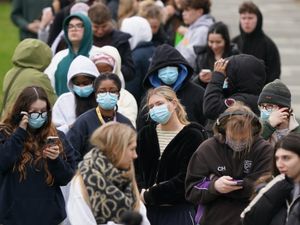
Meningitis explained: Causes, symptoms, how it can spread and what to do to protect yourself against the disease
Two students in Kent have died after an outbreak of meningitis around Canterbury and many more are in hospital - here’s a look at the dangerous disease and how to protect yourself against it
The UK Health Security Agency (UKHSA) has confirmed that the fatal meningitis cases have been caused by invasive meningococcal disease.
The specific strain has not been identified at the present time.
13 cases have been notified to the UKHSA between March 13 and 15 with signs of meningitis and septicaemia.
The government health body is arranging antibiotics from students in the Canterbury area and advice is being issued to staff and students at the University of Kent.
UKHSA West Midlands has posted information about vaccination against Meningitis and symptoms to be aware of.
What causes Meningitis?
Meningococcal disease (meningitis and septicaemia) is an uncommon but serious disease caused by meningococcal bacteria.
Outbreaks have become much rarer with improved vaccination programmes and public awareness.
Very occasionally, the meningococcal bacteria can cause serious illness, (inflammation of the lining of the brain) and septicaemia (blood poisoning), which can rapidly lead to sepsis.
The onset of illness is often sudden and early diagnosis and treatment with antibiotics are vital.

What are the symptoms of Meningitis?
Meningitis can look similar to common illnesses like cold or flu at first - but someone with meningitis will become seriously ill in a matte of hours.
Early symptoms, which may not always be present, include:
a rash that doesn’t fade when pressed with a glass
sudden onset of high fever
severe and worsening headache
stiff neck
vomiting and diarrhoea
joint and muscle pain
dislike of bright lights
very cold hands and feet
seizures
confusion/delirium
extreme sleepiness/difficulty waking
Symptoms can appear in any order and may not always be present at once.
The UKHSA advises calling 999 immediately or going to your nearest A&E if you think you or someone in your care could have meningitis or septicaemia, as people can become unwell very quickly.
You can call NHS 111 if you're unsure whether it's serious.
Who is at risk of Meningitis and what you can do to protect yourself, including vaccination
Young people going on to university or college for the first time are particularly at risk of meningitis because they mix with so many other students, some of whom are unknowingly carrying the bacteria at the back of their nose and throat, the UKHSA said.
There are numerous strains of the meningococcal infection. The MenACWY vaccination gives good protection against MenA, MenC, MenW, and MenY.
Other routine childhood vaccines, such as the 6-in-1 vaccine and MMR, protect against infections that can also cause meningitis.
The pneumococcal vaccine is offered to babies in two doses or a single dose to adults aged 65 or over.
Teenagers, sixth formers and freshers attending university for the first time can have the MenACWY vaccine, which can help protect against meningitis and sepsis.
The UKHSA said: “The MenACWY is routinely offered to teenagers in school Years 9 and 10.
“However, this vaccine does not protect against all forms of meningitis.
“Other strains such as MenB can circulate in young adults, which is why it’s important to know how to spot the symptoms of meningitis and septicaemia as early detection and treatment can save lives.”
While the NHS offers vaccinations to those most at risk, private vaccinations are available at some travel clinics, private GP practices and pharmacies.
What other ways can I help protect myself from meningitis?
It is a good habit to practice handwashing hygiene, washing your hands after coughing or sneezing.
You can also avoid sharing items which come into contact with your mouth, such as food, drink and eating utensils.
Regularly cleaning surfaces can also help reduce the spread of germs.
How is meningitis treated?
People with suspected meningitis may have to have hospital tests to get a diagnosis and find out if their illness is a viral or bacterial infection.
Bacterial meningitis usually requires hospital treatment for at least a week, including antibiotics, fluids and oxygen.
What is being done to help people infected in Kent?
The UKHSA and NHS are arranging antibiotics for some students in the Canterbury area of Kent.
UKHSA and the University of Kent are issuing advice to staff and students. Specialists at UKHSA are interviewing affected individuals and their families to help identify all close contacts and arrange antibiotics to limit spread.
Trish Mannes, UKHSA Regional Deputy Director for the South East, said:
We understand that many people at the university and in the wider community will be affected by this sad news and we would like to offer our condolences to the friends and family involved.
Students and staff will understandably be feeling worried about the risk of further cases; however, we would like to reassure them that close contacts of cases have been given antibiotics as a precautionary measure. Advice and support is being offered to the wider student community, and to local hospitals and NHS 111, and we’re monitoring the situation closely.
Meningococcal disease can progress rapidly, so it’s essential that students and staff are alert to the signs and symptoms of meningococcal meningitis and septicaemia, which can include a fever, headache, rapid breathing, drowsiness, shivering, vomiting and cold hands and feet. Septicaemia can also cause a characteristic rash that does not fade when pressed against a glass.
Students are particularly at risk of missing the early warning signs of meningitis because they can be easily confused with other illnesses such as a bad cold, flu or even a hangover. That’s why it’s vital that, if a friend goes to bed unwell, you check on them regularly and don’t hesitate to seek medical help by contacting their GP or calling NHS 111 if they have these symptoms or you’re concerned about them. This could save their life."