Imogen, 11, is helping millions of children with diabetes - find out how she is a key part of pioneering research in the West Midlands
A simple blood test developed in the West Midlands has helped in the crucial early diagnosis of diabetes in children.
Imogen Norman, 11, is among those diagnosed early thanks to a technique developed by the University of Birmingham.
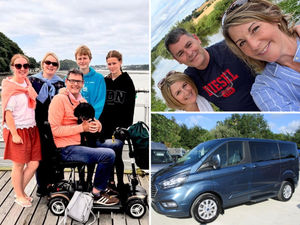
Amy Norman, 44, from the West Midlands, was diagnosed with type 1 diabetes at the age of 13.
Through a new study using a simply finger-prick test it was found that her 11-year-old daughter, Imogen, is in the early stages of type 1 diabetes.
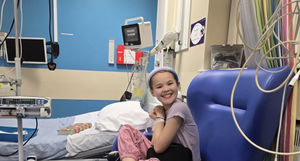
She was the second child in the UK to access the immunotherapy drug teplizumab, which can help delay the need for insulin treatment and was approved for UK use by the medicines regulator last year. She is being treated at Birmingham Children’s Hospital.
"Being part of the Elsa study has helped us as a family to prepare for the future in a way we never expected," said Ms Norman.
"When I was diagnosed, I had no warning and ended up quite poorly in hospital with diabetic ketoacidosis. Being forewarned is being forearmed. She was always going to develop type 1 diabetes, but through Elsa we've been able to slow down the process and prepare - we know what is coming, but we're not scared."
The new study has found that children can be diagnosed in the earliest stage of type 1 (T1) diabetes - paving the way for a potential screening programme in the future.
Experts said that the finding could lead to a "step change" in the way type 1 diabetes is diagnosed and treated.
At present "too many" children with type 1 diabetes are only diagnosed when they are in a medical emergency, they added.
If children can be identified in the earliest stages of disease they can get access to treatments which can delay the need for insulin treatment for years.
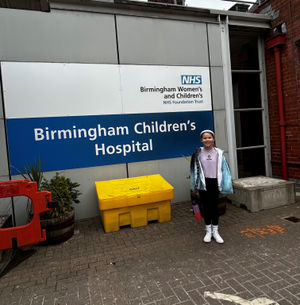
The Early Surveillance for Autoimmune Diabetes (Elsa) study, led by the University of Birmingham and co-funded by Diabetes UK and Breakthrough T1D, was launched to assess the feasibility of screening in the UK. The results from the first two years of the study have been published in correspondence published in The Lancet Diabetes and Endocrinology.
UK children aged three to 13 without type 1 diabetes were invited to participate and they provided a finger print blood sample which was checked for antibodies which have previously been found to be present in pre-symptomatic patients.
Children identified as potentially having a risk of T1 diabetes were invited for further blood tests or sugar tolerance tests. Overall 17,283 tests were analysed and more than 200 children were found to be at risk or have markers in their blood that indicate risk of T1D.
The next phase of the study, Elsa 2, will involve more children recruited from a wider age range, from two to 17. This part of the study will support NHS clinics for four years at each of the 20 study sites across the UK.
The clinics will help support and educate families where children are found to be at risk of, or have early, type 1 diabetes. Staff will also be able to help children as they move on to insulin treatment.
Lead researcher Parth Narendran, professor of diabetes medicine and honorary consultant physician at the University of Birmingham, said it was a "massive step change”.
He added: "This is a landmark study for the UK, it shows for the first time that we can identify those people at an early stage, prevent emergency diagnoses. It's giving families time to prepare."
On the new clinics he said: "Once people have been diagnosed with early type one diabetes before they need insulin, but we know that they're going to move on to insulin. They need support.
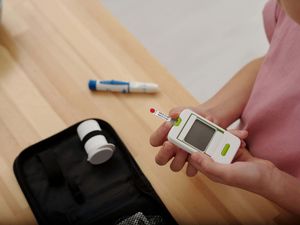
"So the idea is that they would get regular support and advice on when to test their glucose, what symptoms to watch out for, just so they can start this insulin early and in a timely fashion."
He went on: "Once they're on insulin, they'll just flow naturally, with the same healthcare team, into the normal type one clinic. So it should be a seamless transition and a much gentler introduction to insulin treatment."
In the future there could be the possibility of offering treatments such as teplizumab, and others that are in the pipeline, "so they don't need insulin therapy in the long term and we keep them in the very early stage of type 1 diabetes without insulin requirements", he added.
"It's a massive step change," he said.
Up to 400,000 people in the UK have type 1 diabetes - about 8% of people with diabetes.
About a quarter of children with type 1 are only diagnosed when they reach an emergency situation.
Prof Narendran said a new screening programme could, in the future, prevent children from "crash landing" into a diagnosis.
Dr Elizabeth Robertson , from the charity Diabetes UK, said: "For too many families a child's type 1 diabetes diagnosis still comes as a frightening emergency, but that doesn't have to be the case.
"The Elsa study is generating the evidence needed to make type 1 diabetes screening a reality for every family in the UK."
Rachel Connor , from Breakthrough T1D, added: "This is about rewriting the story of type 1 diabetes for thousands of families - instead of a devastating emergency, we can offer time, choices and hope.
"By finding children in the earliest stages, we're not just preparing families, we're opening the door to treatments that can delay the need for insulin by years."
Italy was the first country to roll out a national screening programme and other countries are looking to introduce screening for the condition.