Critical incidents and hours-long A&E waiting times as pressures bite at West Midlands acute hospitals
A critical incident has been declared at six West Midlands acute hospitals including the university hospitals in Staffordshire and Birmingham due to extreme winter pressures on services.
As a result of the issues, at Staffordshire's University Hospitals of North Midlands NHS Trust (UHNM) on Tuesday (December 9) the longest waiting time at Royal Stoke University Hospital's accident and emergency (A&E) unit was three hours with around 139 patients in the queue by 3.45pm. At Stafford's County Hospital the longest waiting times rose from just over an hour with 26 patients waiting at 11.30am to three hours and 29 minutes with 43 in the queue.
The trust declared a critical incident on Monday and has remained on the same footing on Tuesday.
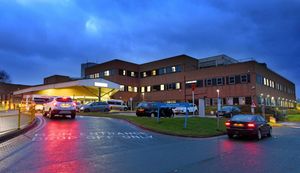
At University Hospitals Birmingham NHS Foundation Trust, which operates the Queen Elizabeth Hospital in Selly Oak; Good Hope Hospital in Sutton Coldfield; Heartlands Hospital in Bordesley Green; and Solihull Hospital, declared a critical incident on Tuesday morning after treating 460 patients with flu on December 8.
The longest times for waiting were at Good Hope which also serves Lichfield district with seven hours and four minutes.
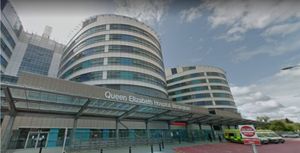
The trust said a combined 10 wards across its sites are caring for flu patients, with 269 given a flu diagnosis by Tuesday morning.
It is the latest trust to declare a critical incident following an upsurge in winter illnesses including RSV, influenza and Covid-19 cases which have "convergence" effect resulting in a "perfect storm" after the flu virus season hit five weeks earlier than in previous years.
Despite the pressures none of the Black Country hospitals were experiencing critical incidents on Tuesday afternoon, but at Midland Metropolitan University Hospital in Smethwick the longest estimated waiting time was five hours and 29 minutes.

Live A&E waiting times are not currently available at Wolverhampton's New Cross Hospital or Walsall Manor Hospital.
Last week around 20 queuing ambulances waiting to drop off patients were filmed outside Dudley's Russells Hall A&E unit.
The NHS Black Country Integrated Care Board told the Express & Star in a statement: “Across the Black Country emergency departments are feeling the pressure. We are seeing a significant increase in the number of patients, partly due to a rise in flu cases.
"We urge the public to think carefully about how they access healthcare.
"With demand on NHS services higher than ever, it’s never been more important for the public to play their part by using the best services for them – visiting NHS 111 online or calling 111, using pharmacy services, GP appointments in and out of hours and urgent treatment centres. Remember, 999 and A&E are for emergency, life-threatening illnesses only.
"Vaccines remain an important protection against serious illness. If you are eligible for a flu vaccine, please come forward and get vaccinated.”
However, adults should attend A&E if showing signs of a heart attack, a stroke, sudden confusion or delirium, serious self-harm, breathing difficulties, choking, excessive blood loss, severe injuries, seizures or fits and sudden rapid swelling. Children should be taken if there are any signs of seizure or fits, choking, breathing issues, unable to stay awake, the skin, tongue or lips turn blue, grey, pale or blotchy, lips limp and floppy, heavy bleeding, severe injuries, signs of a stroke, sudden rapid swelling, and sudden confusion.
Residents should attend urgent treatment centres with suspected broken bones, strains and sprains, cuts and bruises, stomach pain, skin infections and rashes, high temperature in children, and adults with minor mental health concerns.