'Danger concrete' removed from hospitals in Wolverhampton and Kidderminster as part of £440 million scheme
Potentially dangerous 'aero concrete' has been removed from two hospitals in the West Midlands, with two more in line for the work as part of a £440 million plan.
Reinforced autoclaved aerated concrete, also known as Raac, was commonly used in public buildings from the 1960s to 1980s, but was subsequently shown to have a limited lifespan. In 2023, the Government announced a programme to remove the material from all public buildings.
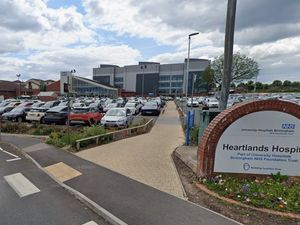
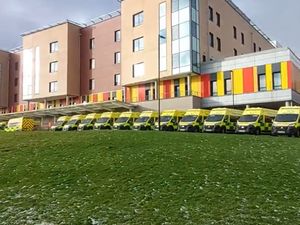
New Cross Hospital in Wolverhampton and Kidderminster General Hospital are among seven hospitals which have now been declared Raac-free, after the Government committed £440 million in funding this year.
Rowley Regis Hospital and Queen Elizabeth Hospital in Edgbaston are also due to have the concrete removed by March next year. In the meantime, the Government has pledged support to mitigate disruption.
Often known as 'aero concrete' because of its bubble texture, Raac was popular due to its light weight and low cost.
The Government has pledged to eliminate all Raac from the NHS estate by 2035.
Health minister Karin Smyth said: “Patients and staff across The Midlands deserve safe, modern hospitals and an NHS they can rely on.
"This progress means thousands more people can walk into NHS hospitals with confidence, knowing this government is putting safety first.
“Thanks to the record investment this government is providing, we are cleaning up the mess we inherited, ripping out potentially dangerous concrete and rebuilding our NHS.”
She said all hospitals where Raac had been identified had robust mitigations in place to make them stable and safe while they await its removal - minimising disruption to services and supporting our mission to cut waiting lists.
Simon Corben, director of estates at NHS England, added:“Keeping patients and staff safe is always our top priority, and we have been working closely with trusts to manage Raac safely and ensure the continuation of services while this essential work is taking place.
“The completion of these latest projects is a positive step, giving staff confidence that they can continue delivering care in safe environments – and we will keep working with trusts to complete the programme across the NHS estate at pace.”