Blanket smoking ban on NHS mental health sites in Birmingham and Solihull reintroduced
A total smoking ban on all NHS mental health sites in Birmingham and Solihull has been reintroduced.
Bosses at Birmingham and Solihull Mental Health Foundation Trust (BSMHFT) said the move was aimed at improving the health and wellbeing of patients, staff and visitors.
A blanket ban was introduced on all of its 50-plus sites in 2016, but smoking was permitted temporarily in some garden areas.
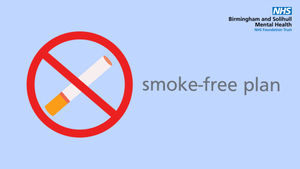
But, now that it has been withdrawn, smoke breaks on wards will no longer be facilitated, and smoking in any outdoor areas and entrances will not be permitted.
To ensure inpatients are supported, Nicotine Replacement Therapy (NRT) will be prescribed within 30 minutes of admission.
Staff nurses and nurse associates can now dispense up to three days’ worth of NRT under the Patient Group Directive (PGD).
To support patients, service users and staff, the trust has a Tobacco Dependency team that provides support and guidance.
They offer nicotine replacement therapy, advice on vaping, emotional support, discharge planning, and group sessions. Inpatients can speak to any staff member for a referral.
The trust has also shared a new animation that uses poetry and visuals to explain why this change matters and how patients, service users and staff can access support to quit.
Data shows smoking rates among people with mental health conditions are more than 50 per cent higher than in the general population, contributing to a reduced life expectancy of between seven and 25 years.
Health chiefs said that, contrary to common assumptions, people with severe mental illness are just as motivated to quit smoking as anyone else.
Evidence shows that stopping smoking can lead to fewer readmissions, better physical health, and improved mental wellbeing – reducing symptoms of depression, anxiety and stress, with some studies suggesting benefits comparable to antidepressant medication.
BSMHFT’s deputy chief executive, Patrick Nyarumbu MBE, said: “Smoke-free BSMHFT is a vital step in prioritising the physical and mental health of our patients and service users and creating a safer, healthier environment for everyone at BSMHFT.
“We know that people with mental health conditions face significantly higher risks from smoking.
“We also recognise how hard it is for some to quit, which is why we are committed to offering immediate, compassionate support from the moment someone is admitted.”