Staff sickness rate at Birmingham hospital remains high - prompting action plan
Staff sickness levels in hospitals across Birmingham and Solihull remain high with actions being drawn up to tackle the issue.
A report to University Hospitals Birmingham (UHB) NHS Foundation Trust Board of Directors said latest data showed April’s sickness absence to be at 5.87 per cent – an increase from 5.53 per cent in March and 5.82 per cent in April 2024.
It added ‘priority actions’ are being drawn up to look at addressing sickness and identifying hotspot areas.
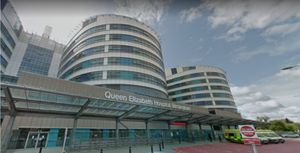
A total of 24 departments across Queen Elizabeth, Heartlands, Solihull and Good Hope Hospitals have been listed as needing attention.
The current staff sickness level is lower than the 6.52 per cent figure reported back in December last year but higher than the trust target of four per cent.
The report to Thursday’s (July 24) meeting said: “Annual sickness absence is at 5.87 per cent compared to 5.82 per cent in April 2024, demonstrating that there has been little movement in the level of sickness absence.
“The first Sickness Absence Oversight Group took place May 2025, with priority actions currently being finalised and to be reported at the August People and Culture Committee.
“The group will focus on interventions that will act as enablers to site and corporate teams in managing sickness absence, as well as deep diving and tracking hotspot areas.
“Based on an analysis of sickness rate and department size, 24 departments have been identified for particular attention and intervention.”
Another report to the Board showed there were 44 new self referrals in April for counselling with 56 per cent of first offered appointments coming over 26 days since first contact.
The report said this highlighted the ‘need for improved accessibility’. It added Anxiety was the highest reason for referral.
In better news, the number of inoculation injuries (including sharps, splashes and scratches) had fallen slightly with 47 incidents in April compared with 53 in March.
The report said: “Qualified nurses was the job role with the highest incidents.
“All reported inoculation injuries continue to be attended to immediately ensuring prompt risk assessment, treatment, and follow-up.
“Occupational health and wellbeing continue to play a key role in monitoring incidents, supporting affected staff, and providing expert guidance to ensure safe practice is maintained across the trust.”