Birmingham NHS budget 'millions in deficit' just months into new financial year
Budgets for NHS services in Birmingham and Solihull are already under pressure just two months into the new financial year.
A report to the NHS Birmingham and Solihull (BSol) Integrated Care Board (ICB) showed the the 2025/26 year to date position at month two to be at a deficit of £20.7 million – £12.2 million worse than planned at this stage.
An increase in demand for urgent and emergency care in the early part of the year had resulted in the need for additional investment to ease pressure.
Pay is also a major factor with figures showing substantive pay being £11 million over plan and bank staff wages being £2.5 million adverse to plan.
But there is better news in terms of the use of agency staff which has seen a continued reduction achieving £2.1 million savings more than planned at this point in the year.
The report also said savings in non-pay related areas was also above what was planned for this stage.
At the start of the 2025/26 financial year, the NHS Birmingham and Solihull was set an efficiency target of £333.6 million and it is forecast this will be achieved by the end of the year.
Last year, BSol faced similar budgetary challenges and was even placed under review by NHS England to ensure all actions were being taken to balance the books.
By the end of 2024/25, a series of measures and actions taken ensured BSol had hit it’s ‘break even’ target.
In his own report to the board, which meets on Monday (July 14) ICB chief executive David Melbourne said: “In the Spending Review published in June the NHS received one of the most favourable funding settlements.
“However, success now hinges on delivering efficiency savings, rolling out digital transformation, and meeting waiting time targets—while balancing productivity gains against rising demand and structural challenges.
“Neighbourhood care – delivering joined up, proactive and personalised care closer to where people live – is a key enabler of NHS productivity.
“By supporting people to stay at home and intervening earlier in the community, we hope to reduce avoidable hospital admissions, shorten lengths of stay and improve patient outcomes.
“Our local plan to deliver neighbourhood health, rolling out our integrated neighbourhood teams and neighbourhood hubs will not only enhance patient experience but also use NHS resources more efficiently reducing pressure on hospital services.
“The first few months of the new financial year have highlighted the pressures in our urgent and emergency care pathways across Birmingham and Solihull.
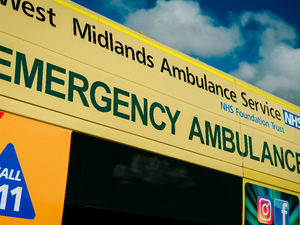
“Not only have we experienced an increase in demand (this has been seen across the West Midlands) but also the movement away from intelligent conveyancing by West Midlands Ambulance Service has added to these pressures.
“We have therefore had to further support additional investment to open capacity across urgent and emergency care pathways.”