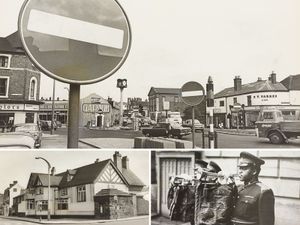
The queue snakes outside the Percy Thomas Hall of Wolverhampton youngsters who had fallen prey to a new “cult.”
The bunny-hugging 1950s generation of Wolverhampton teenagers who were the despair of adults
They were a 1950s young generation whose antics on the dance floor were worrying their parents and allegedly causing traditional ballroom dancers to boycott local dance halls.
Craze of the moment was the “bunny hug,” a type of hold used by teenagers during waltzes, slow foxtrots, and other slow step dances. It got worse. They liked to let themselves go, flinging around the floor to a flying samba, or jerking to a jitterbug.
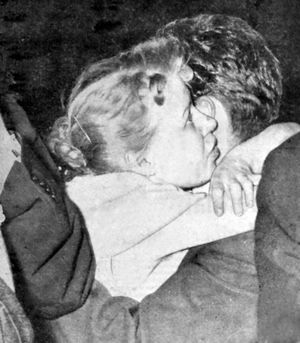
Victor Silvester was not for them - they danced to the sounds of popular Wolverhampton dance band leader Jack Andrews, whose music was laced with Latin-American rhythms.
Back in 1956 a Wolverhampton Chronicle reporter and photographer were sent along to investigate what the paper described as the “newest cult of the 20th century” with their findings published in a spread on May 4.
For some reason the venue - it was in Stafford Street - was not revealed, but it was wildly popular, regularly being packed out leaving dozens outside hoping to get in.
When it came to adult complaints, there were plenty.
“It’s disgusting, this slothful teenage set,” declared a local teacher.
“No good ever comes out of dance hall loungers.”
“Today’s young people are sloppy and aimless,” said one parent, who bemoaned the way they shuffled around. It wasn’t like that before the war.
Another said young people should find the right time and place to do their courting, and should bring back the magic of dancing by at least knowing what foot to put forward for the waltz, the foxtrot, and the tango.
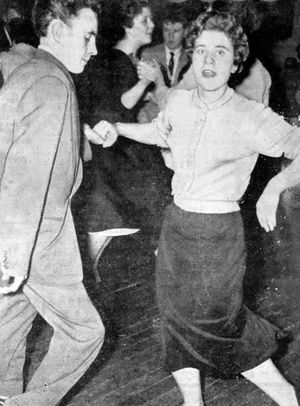
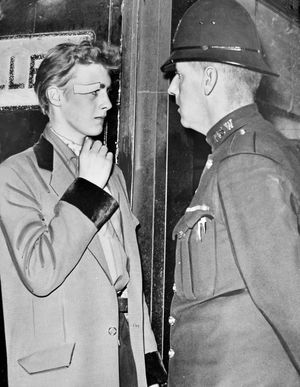
The Chronicle said no alcohol was allowed on the premises, and there was strict police supervision at the entrance.
The reporter put the complaints to Mr Andrews.
“I strongly disagree with teenagers kissing and cuddling on the floor. As soon as a girl gets that glassy look in her eyes she’s out as far as I am concerned,” he said.
He put forward a possible reason why there was a hug-me-tight look on the dance floor.
“Invariably after the interval we start a non-stop session of about eight dances. That means a lot of youngsters don’t leave the floor.”
He explained that a few bars of waltz tempo formed the break between the non-stop dance session, and probably that was when teenagers began to feel dreamy and dewy-eyed, clinging and clutching.
“But it doesn’t go on all the time.”
As you can see from the picture, it was a YMCA building which hosted various activities, including snooker, table tennis, and boxing, while the poster advertises dancing there on Mondays, Thursdays, and Saturdays. One of the direction signs points to the canteen around the corner in Littles Lane.
If the older generation thought things were going downhill then, they were about to get a shock, because the teenage revolution was under way. Nowhere does the report mention rock and roll, or Elvis, let alone the Teddy Boys, all of which were already making their influence felt.