
Birmingham bins strike reaches another milestone - one year since all-out indefinite strike declared
This week marks another grim milestone for the ongoing bin turmoil in Birmingham – one entire year since the all-out strike began.
But the story of why the the industrial action continues to rumble on with seemingly no end in sight goes back several years.
The bins strike was unsurprisingly a major talking point at last month’s city council budget meeting, where leader John Cotton argued that issues with the waste service had plagued the council for nearly two decades.
“We will not repeat the mistakes of the past,” the Labour council leader said. “Mistakes made by the three main parties in this chamber.

“Deals brokered by the Tories and Liberal Democrats in 2008 and 2011 and by my own party in 2017 and 2019 did not modernise the service – or result in lasting industrial harmony.”
These past events form the backdrop for the current strike, which also ties to the financial crisis which engulfed the council and left it declaring itself effectively ‘bankrupt’ in September 2023.
There were a number of reasons for this disastrous situation – an equal pay debacle and the disastrous implementation of an IT system at the Labour-run council are among the major ones.
The city council has suggested that the proposed transformation of the waste service will move it in line with national practice and was not related to its debt.
But it’s also been described as an important aspect of the council’s financial recovery plan and a way to make necessary savings.
Plans to ‘modernise’ the service soon drew anger from a number of bin workers, particularly over the loss of the Waste Recycling and Collection Officer role which came about as a result of a previous strike.
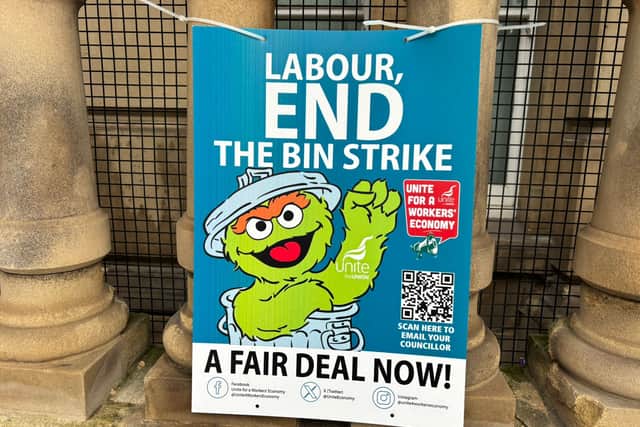
Unite the union claimed that certain workers faced a pay cut of £8,000, a figure the council has disputed, and with the two parties unable to reach a resolution, the strike officially got under way in January 2025.
The shockwaves were soon felt by residents in the following weeks, with recycling collections being suspended by the council in February – they are yet to resume 13 months later.
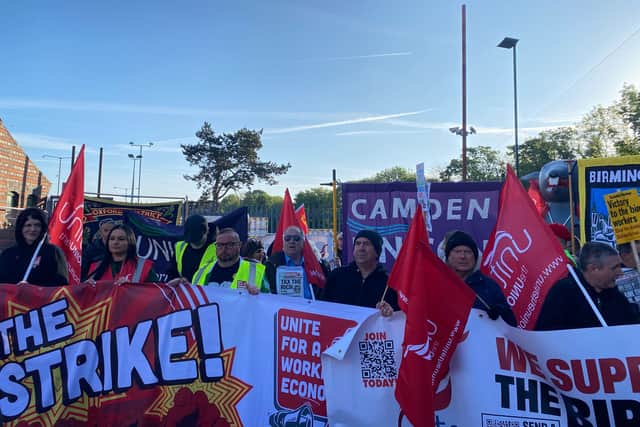
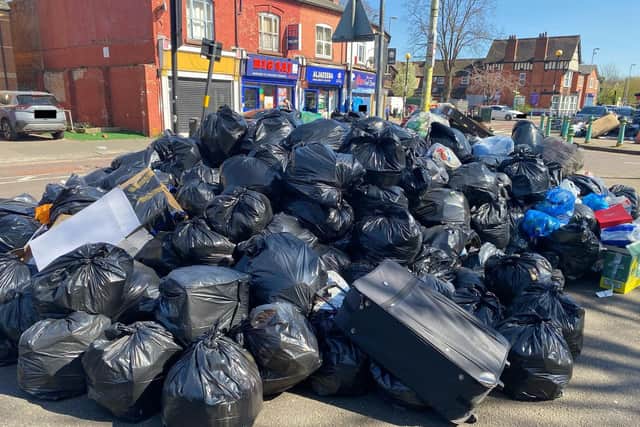
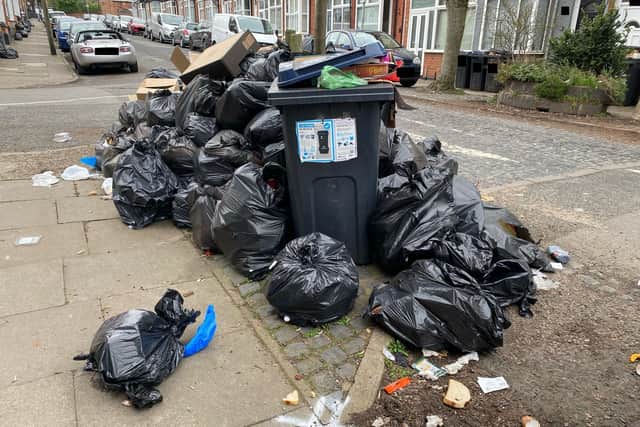
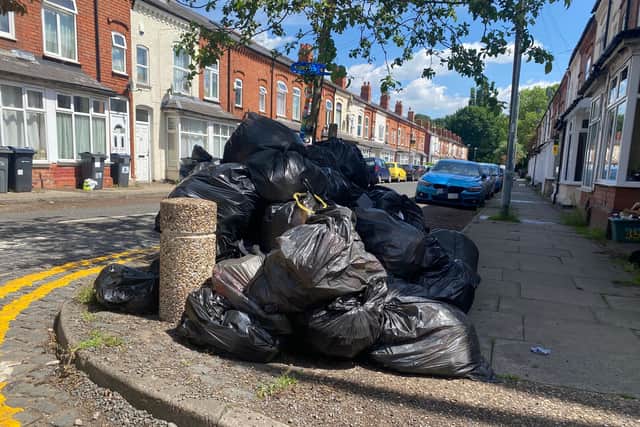
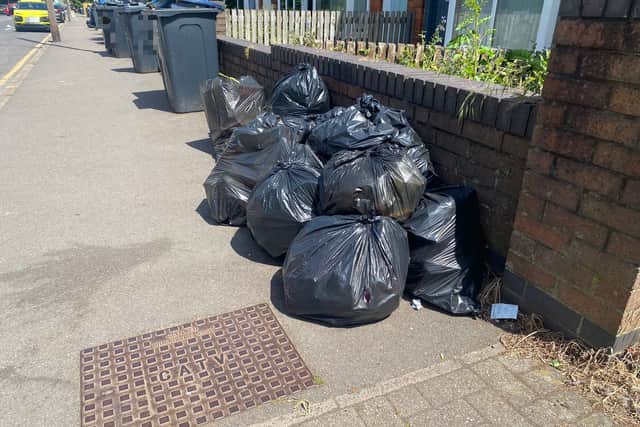
The dispute then escalated into an “indefinite” all-out strike from March 11 – a move which contributed to massive heaps of stinking rubbish piling up in city streets; fears over rats and negative headlines about the city appeared on news outlets worldwide.
The following months were a turbulent chapter in the city’s history, with Birmingham City Council declaring a major incident to clear a backlog of around 17,000 tonnes of uncollected waste.
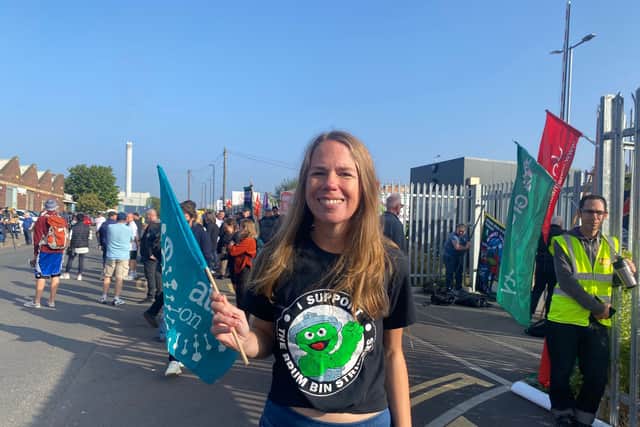
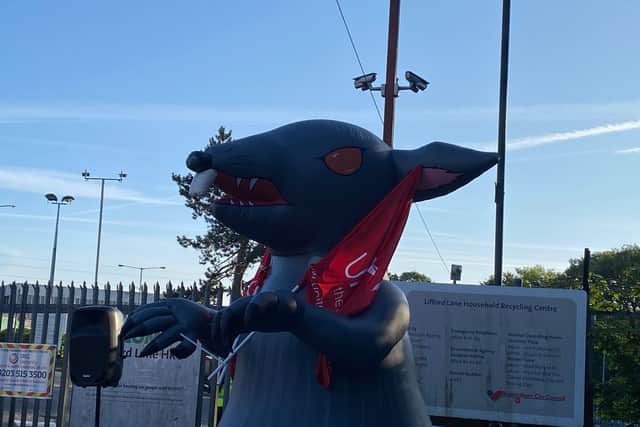
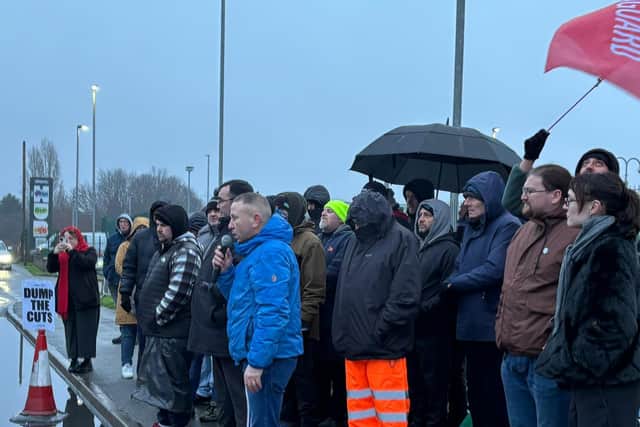
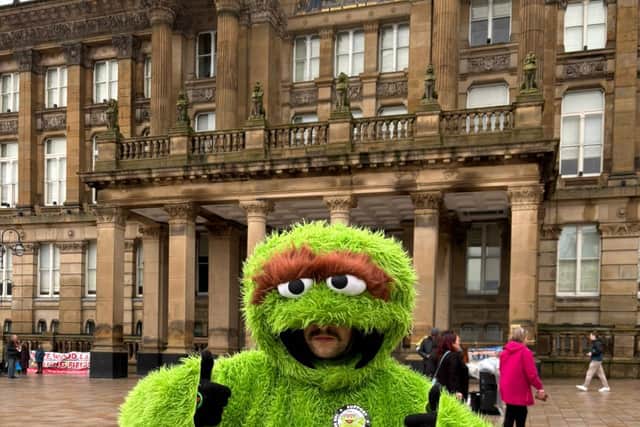
The Local Democracy Reporting Service (LDRS) covered the twists and turns of the saga in the following months, whether it was covering ‘mega-pickets’ outside depots or interviewing a man in a giant rat costume at a council meeting.
We also spoke to residents affected by the strike, with one Balsall Heath local describing living near a huge rubbish pile as “hell”.
The LDRS spoke to national politicians who found themselves pulled into the story too, with former local government minister Jim McMahon insisting that Birmingham “will always have a reputation of being a fantastic, thriving city” despite the negative headlines.
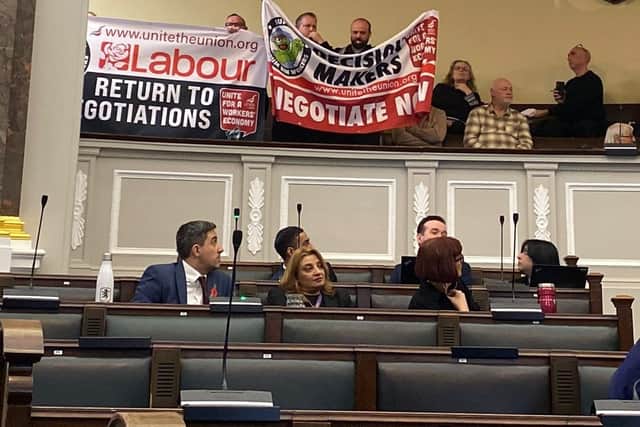
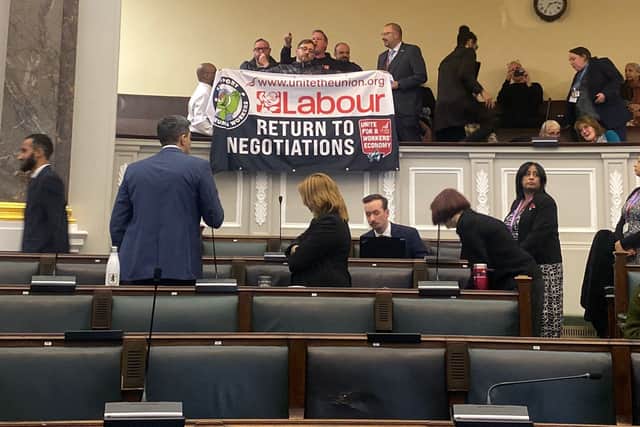
We also covered a number of meetings throughout the year which saw furious interruptions from bins strike protesters in the public gallery and angry questions directed towards the council leader.
After months of disruption, the council revealed last summer that negotiations with Unite had come to an end, saying at the time it had ‘reached the absolute limit of what we can offer’ amid equal pay fears.
Unite has claimed that a “ball park” deal had been agreed last year after hours of discussions but added this figure could not get past the government-appointed commissioners, previously sent in to oversee the council’s financial recovery.
The union says it rejected a new offer, claiming it was much lower compared to the “ball park” figure, before negotiations stopped.
The strike has dragged on into its second year since that moment, with negotiations not resuming between the two parties despite calls to restart them by Unite and opposition councillors.
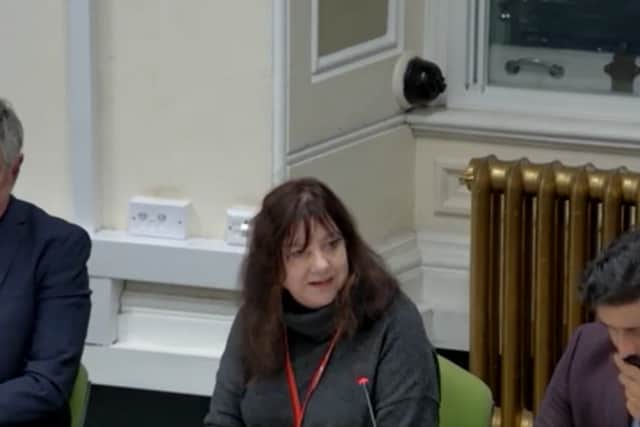
The council’s managing director Joanne Roney said recently there were equal pay and financial considerations for the council which presented ‘incredibly difficult hurdles’.
When could the Birmingham bins strike end?
After months and months of strike action, attention has turned to what could happen next and when it could finally end amid the current deadlock.
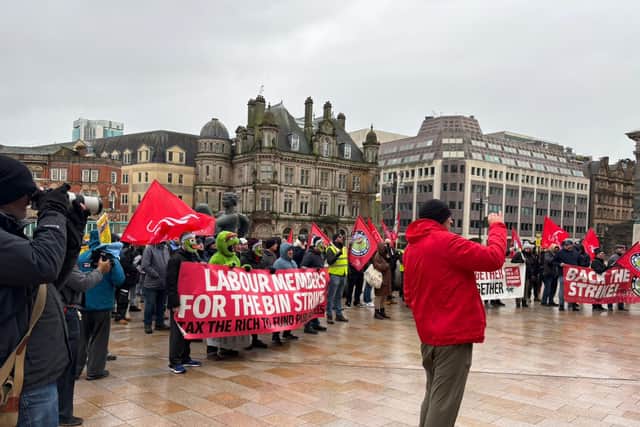
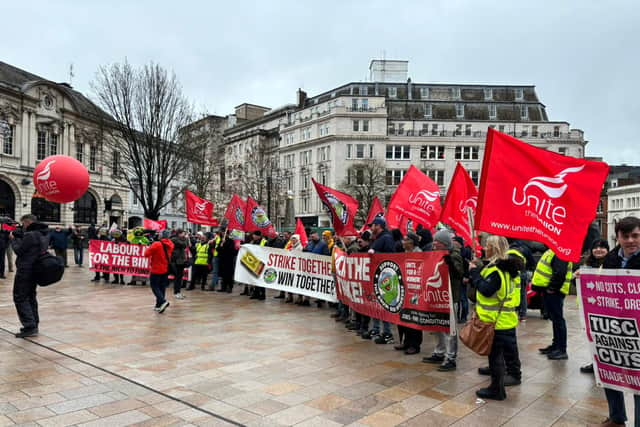
Striking bin workers and their supporters are prepared to continue their industrial action and protests into September at least while costs at the city council continue to ramp up.
A recent report revealed that forecast one-off and direct costs of the strike will total £14.6 million if it continues to the end of March.
The council meanwhile is taking action to minimise disruption, with the High Court recently granting the authority an injunction ‘against persons unknown to tackle blockading or obstruction’ at its waste depots.
The bins strike is also set to loom over the local elections in May, which will decide which party or coalition runs Birmingham City Council over the next four years.
Labour candidates will be keen to argue that a ‘fair and reasonable offer’ had been made to Unite and that funding cuts during the previous Conservative government played a role in the council’s financial crisis.
They will also likely suggest that the tag of ‘bankrupt Birmingham’ has been ditched after the council’s massive budget gap was closed.
But bins strike protesters have already issued a warning to Birmingham Labour, arguing it faces paying a heavy price if the situation is not resolved by the time voters head to the polls.
When it comes to the future of the waste service, the council has said transformation plans – including the return of recycling collections – will now be rolled out in phases across the city from June onwards, regardless of whether the strike is happening or not.
That would be around 15 months after they were first suspended.
“Of course we all want a resolution [for the bins strike dispute] but I have been clear throughout that I will not put this council’s future financial stability at risk,” council leader John Cotton told February’s budget meeting.
“My commitment remains for a negotiated settlement – but not one at any price.
“We will not repeat the mistakes of the past.”
“In the meantime, we have a plan to bring back recycling and green waste, and to introduce food waste recycling in the months ahead – with a pilot launching in a matter of weeks.”
So it looks like the story of the Birmingham bins strike, the origins of which arguably date back several years, isn’t over just yet.
But whatever happens, the LDRS will continue to bring you the latest developments as the situation continues to unfold in the coming months.