Council leader says politicians ‘shouldn’t talk Birmingham down’ as its 'a powerhouse'
The leader of Birmingham City Council has accused opposition councillors of pushing a ‘negative narrative to talk the city down’ amid a row over its reputation.
Last week’s dramatic budget meeting saw the council’s Labour administration come under fire for its handling of the authority’s financial crisis and the ongoing bins strike.
Despite the barrage of criticism, Labour council leader John Cotton said the ‘bankrupt Birmingham’ tag had been ditched and described the city as a “powerhouse”.
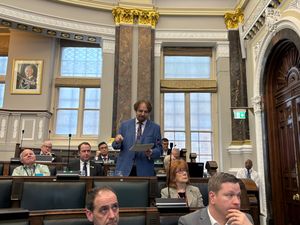
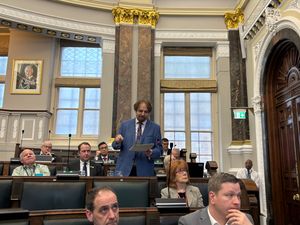
“[It] is one of the most investable cities, with some of the biggest opportunities in the country,” he told the council chamber last week.
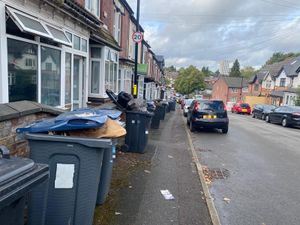
But councillor Robert Alden, the leader of the council’s Conservative group, said recent strife had led to unwanted headlines about rubbish and rats.
“This is the legacy that the next administration of Birmingham will inherit from the Labour council,” the leader of the opposition said.
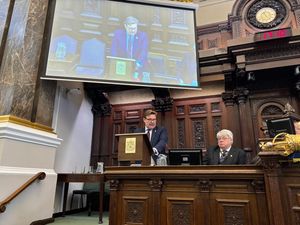
“Between now and [the local elections in] May we will no doubt see a tale of two cities here in Birmingham.
“Labour’s city where they claim they are doing a great job and the city where everyone else lives, where rubbish goes uncollected […] and residents have been hit by Labour’s double whammy year after year – higher taxes for fewer services.”
Independents also went on the attack, with former Labour councillor Jane Jones suggesting that Brum had turned into the “cesspit of Europe” and a “laughing stock” on the world stage.
Coun Martin Brooks, also a former Labour councillor, argued that Birmingham had been transformed into a “source of embarrassment and misery for its residents”.
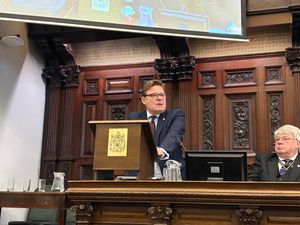
Ahead of the local elections in May, council leader John Cotton was asked this week whether voters should believe in Labour’s vision of Birmingham.
“Firstly I think we have a responsibility as the elected political leaders of this city to never talk this place down,” he told the Local Democracy Reporting Service.
“That’s not about holding administrations to account and criticising policy decisions, that’s absolutely part of the political process.
“But as someone who’s a proud Brummie, born and bred, I think we’ve got a responsibility to always talk this place up.
“What you don’t want to do is damage the kind of business confidence that is leading to the record levels of investment coming into the city, that’s driving economic growth in some of the biggest growth sectors in the country.
“Whether that’s life sciences, advance manufacturing, the creative sector – which of course we’re celebrating with the Peaky Blinders launch.
“So I think it’s really important that we don’t lead a negative narrative to talk Birmingham down for narrow political advantage.”
On whether Brummies in more left-behind communities were feeling the benefits of such investment, Coun Cotton acknowledged there is a “tale of two cities” in Birmingham.
“That is unacceptable,” he said. “Too many people still are left behind when it comes to being able to access the jobs and opportunities that are growing in the city.
“We still have too many children growing up in poverty, we still have a gap in life expectancy that’s too wide between the richest and poorest. That’s what we’ve got to fix.
“That’s why it’s so important, having turned around the finances of the council, we’re now in a position to work with the Mayor, government, business and communities to break down those barriers so everybody can participate and thrive in what I still absolutely believe is the greatest city in the world.”
During last week’s meeting, Coun Cotton said the council’s enormous budget gap had been closed and suggested the city could have a bright future.
“Make no mistake, there will be no backtracking on the progress that we have made over the last two years,” he said.
“But it is undeniable that Birmingham City Council is back in the mainstream of local government after setting a steady course to long-term stability.”
He continued that an extra £130 million is being invested in council services and highlighted a number of planned regeneration projects, including Birmingham City FC’s Sports Quarter and the Knowledge Quarter.
He also said the city was already benefiting from the construction of HS2 and that the creative quarter in Digbeth was “flourishing”.
The meeting also saw Labour councillor Katherine Iroh saying she was “disappointed by opposition councillor after opposition councillor talking down our city and calling it dirty”.
“[They’ve been] saying it’s a miserable place to live in, calling it a cesspit,” she said. “I’m sorry, what message does this give to our residents?
“What message does this give to people thinking of visiting our city, people wanting to invest in our city?
“We are the city’s elected members – it is our duty to talk up our city.
“Birmingham is amazing, it’s thriving, it’s inclusive, it’s friendly, it’s got an incredible cultural heritage, food and entertainment offer.”
Birmingham-specific issues, such as the equal pay debacle and the disastrous implementation of an IT system, were among the factors that contributed to the financial crisis at the council.
Labour councillors have also repeatedly highlighted funding cuts during the previous Conservative government as an important factor.
Striking bin workers have previously claimed they face a pay cut of £8,000 – the council has disputed this figure and insisted that a fair offer had been made before negotiations came to an end last summer.