The Birmingham bin strike is one year old - but the city council and Unite the union are still 'miles apart'
Birmingham City Council’s most senior officer has spoken out on the bin strike negotiations and the “incredibly difficult” hurdles they faced in reaching a resolution.
The disruptive strike, triggered by a dispute between the Labour-run city council and Unite the union over the loss of the Waste Recycling and Collection Officer role, has now dragged on for around a year.
The two parties have failed to resolve the dispute, with striking workers raising concerns about pay and the council’s leadership insisting that a “fair and reasonable” offer had been made.
Negotiations came to an end last summer, with the council saying it had ‘reached the absolute limit of what we can offer’ amid equal pay fears.
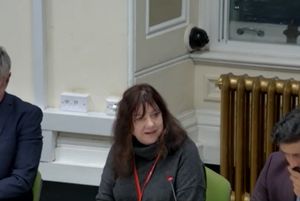
Speaking at a finance meeting on the one-year anniversary of the bins strike starting, the council’s managing director, Joanne Roney, spoke about the negotiations and insisted that ‘doors remain open’.
She started by saying the negotiations between the council and Unite had been “cordial, polite and well managed on both sides”.
But she continued: “What is clear for Birmingham City Council is that in settling this dispute, it cannot worsen the equal pay implications for the council.”
She went on to say that there were also financial ‘best-value’ considerations that will be looked at by government-appointed commissioners, sent in to oversee the council’s recovery after it declared itself effectively bankrupt in 2023.
“It is incredibly difficult to find a way through these various hurdles,” she said.
“Nobody is blaming the workers for this situation – this is a failure of Birmingham City Council for many years to not address its equal pay issues.
“Equal pay issues affect every council in the country, but Birmingham failed to settle it properly and effectively for many years.
“That is what I’m trying to resolve now.”
She said two offers had been made to try and settle the dispute but were rejected by Unite, adding ‘doors remain open’ if the union wanted to make a counter proposal.

But she added there had to be a “reasonable amount of recognition for both parties”, particularly with the council’s equal pay and overall financial position.
“They are just parameters within which I have to operate,” she said. “[The council and Unite] are miles apart.”
The managing director was later questioned by councillor Jane Jones, who told the meeting: “Obviously today is the anniversary, 12 months [of the bins strike] – you go anywhere in this city, everybody talks about the dispute.
“The public sees it as a problem with the council – the council needs to resolve this.
“I would say get in a room with Unite, and it doesn’t matter how long it takes, find a way of negotiating a settlement.”
Joanne Roney responded by again arguing that Unite had rejected the council’s offer.
She added that lawyers from the two parties “did not agree with each other’s advice” and the matter may have to go to court.
‘We should have stayed around the table’
Asked about Joanne Roney’s remarks by the Local Democracy Reporting Service after the meeting, striking refuse collector and Unite member Matthew Reid said: “Well, the [council’s] doors are obviously not open.

“They say their doors are open for us to go back and get that offer they’ve offered us before, which we’ve already rejected.”
“They’re just mounting more and more costs.”
He went on to claim that a “ballpark” deal had been agreed last year after hours of discussions, but added that this figure could not get past the government-appointed commissioners.
Mr Reid said Unite went on to reject the new offer, which he claimed was much lower compared to the “ballpark” figure, before negotiations came to an end.
“We can’t understand why, for six months, [Birmingham City Council] can’t just talk to us,” he continued.
“I’m embarrassed that a Labour council can’t negotiate with a trade union to settle a waste dispute that should have been settled in July last year.
“Together we’ve put them through six months of pain, distress, rats and fly-tipping, and it’s completely unnecessary.
“We should have stayed around the table, and I can’t believe the council pulled out of negotiations.
“If our figures are so far apart, we should keep talking until we get them closer together.”
He added that the striking bin workers “are absolutely determined to just carry on” with the strike if necessary.
The council’s leadership has repeatedly faced calls to resume bin strike negotiations since last summer, with council leader John Cotton arguing last month that Unite had rejected a “succession of fair offers” that had been put on the table.
“[Unite] has asked us for stuff that frankly this council will not and cannot concede because it would reopen all of the challenges that we have faced over equal pay,” he said, "challenges that we’re bringing to a close.”
The commissioners recently praised the progress made in tackling equal pay issues and said of the bins strike dispute: “With no negotiations taking place, and no credible basis for any being evident, the council has moved to resolve the matter by offering alternative arrangements to the workforce.
“The majority have accepted one or other of these alternatives, but compulsory redundancy has had to be pursued in three cases.
“Maintaining this direction has required commendable fortitude in the face of frequent criticism and regular protest.”
They added: “We have been supportive of this approach and it remains in our view the only viable option open to the council.”