Delayed changes to Birmingham bin collections to go ahead next year - here's everything you need to know
Birmingham City Council has said its delayed changes to bin collections are set to go ahead next summer – regardless of whether the strike is still happening or not.
The transformation of the waste service has been described as a key part of the crisis-hit council’s recovery plan and will see collections of household rubbish move from weekly to fortnightly.
Weekly food waste collections and a second recycling bin specifically for recycling paper and cardboard were also set to be introduced in phases across the city from April onwards.
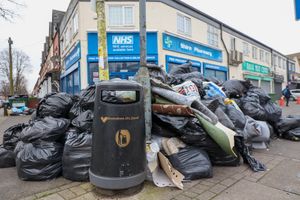
But these changes were delayed due to the impact of the bins strike, which saw huge heaps of bin bags piled up during its height; pickets disrupting collections and angry outbursts during council meetings.
The dispute between the council and Unite the union was initially sparked by the loss of the Waste Recycling and Collection Officer (WRCO) role.
Striking workers have raised concerns about pay while the Labour-run council’s leadership has repeatedly insisted that a “fair and reasonable” offer had been made.
As the industrial action drags on, the council confirmed this week that the waste transformation is now set to start rolling out in June 2026, adding the changes will provide a “greener, more reliable waste service”.
The local authority has said the intention is to begin the rollout next summer “regardless of the strike situation”.
With major changes on the way, subject to cabinet approval, here’s a look at what we’ve learnt about the future of Birmingham’s waste service and how residents will be impacted.
1) Changes ‘will go ahead regardless of bins strike’
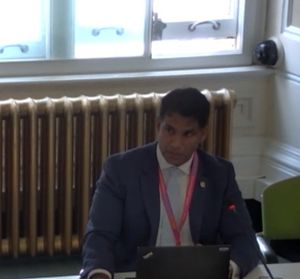
Coun Majid Mahmood, the Labour cabinet member for environment, said this week that he was confident that the rollout would be next year despite the previous delay.
He said changes had been introduced in recent months to support the transformation, including over 1,100 new routes, a new council-owned fleet and training for staff and managers.
“We have already made some changes, with our new council-owned fleet fully operational,” he said. “[This means] there is less reliance on hired vehicles, improved reliability and better consistency in collections.
“Our crews have the tools they need to deliver a more reliable, efficient service.”
“We’re ready to go on this now,” he told the Local Democracy Reporting Service. “We’ve done all the background, done all the mobilisation.
“We’ve very confident that we’ll get the rollout in June.”
2) Fortnightly collections of household rubbish still planned
The waste transformation includes plans for household collections of household rubbish to become fortnightly.
Coun Mahmood confirmed that change is still set to be introduced next summer alongside the other proposals, such as the weekly food waste collections and a second recycling bin.
“Residual collection will be on a fortnightly basis,” he said.
“All [the changes] will be introduced at the same time so no-one’s going to have fortnightly residual collections without the introduction of food recycling.”
3) When could residents see the changes introduced?
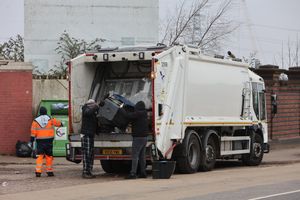
The city council has said the rollout will be on a phased basis, with around 20,000 residents transferred to the new service in fortnightly blocks.
The introduction of the changes will be based on a depot-by-depot deployment across Perry Barr, Lifford and Atlas in Tyseley.
But the plans mean some Birmingham residents, such as those living in flats above shops, may not see the changes introduced in their area until 2027.
“Initial roll out is to kerbside properties only, with multiple occupancy and flats above shops to follow,” a council report says.
“The additional 130,000 multiple occupancy properties and flats above shops will be on a subsequent timeline, likely to extend to quarter 4 in 2026/27.”
“There will be comprehensive communications and engagement with residents to ensure households know what is happening on their street and when,” the council added.
4) Possibility of ‘separate temporary workforce’ for particular service

The council has said under current plans, it could establish an “alternative separate workforce” for food waste if industrial action continues.
“Depending on the timing of a return to work and the reintegration process for our substantive workforce, additional agency staff may be required to mobilise the new food waste service partly or fully,” the local authority said.
“If industrial action continues then an alternative separate workforce for food waste will be required.
“This workforce would be managed by a separate management team.”
5) ‘We can’t afford to fail’
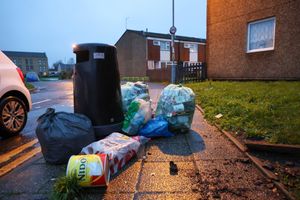
The council said that “extensive communication and engagement” with residents and communities will need to start early next year to “support behaviour change.”
It also acknowledges that it needs to rebuild confidence in the council regarding the reliability of bin collections.
“Work is already being undertaken around a comprehensive communication and engagement exercise with people in the city,” Coun Mahmood said.
“We’ll go all out on this, we can’t afford to fail.
“Every resident needs to know when their collection will be and when they will be transferred to the new service.”