Birmingham recycling rate plummets below 15 per cent as bin strikes continue
The recycling rate in Birmingham has plummeted to below 15 per cent as the bins strike continues to take a toll on the city.
New council data has shown that just 14.05 per cent of all household rubbish in the city was being recycled between July and September this year.
This means that during this three month period, just 12,471 tonnes of household waste were recycled out of a total of 90,667 tonnes.
The council has a recycling rate target of 35 per cent which it was closer to in the first quarter of 2024/25 when it was hitting just below 30 per cent.
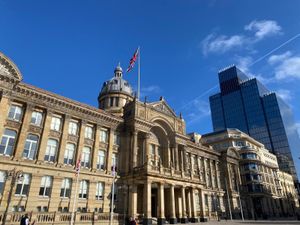
But the recycling rate has been falling since the start of the Birmingham bins strike, triggered by a dispute between the council and Unite the union.
“This underperformance is primarily due to the continued suspension of kerbside recycling services following industrial action that began in 2025,” the council said in a recently-published report.
“As a result, recyclable materials that would typically be collected at the kerbside may have been disposed of as residual waste, unless residents were able to store them or transport them to local recycling centres.”
The Labour-run authority continued that it anticipates performance improving once recycling services resume, which will happen when the ongoing industrial action has ended.
“In the meantime, the capacity and opening hours of recycling centres have been increased to support higher volumes of recycling and mitigate the impact on overall performance,” it added.
These latest details emerged amid fears that the bins strike will drag on into the festive season and beyond, causing further misery for both residents and the council.
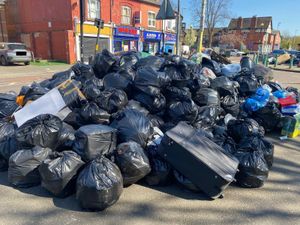
The industrial action was sparked by the loss of the Waste Recycling and Collection Officer (WRCO) role, with striking workers raising concerns about pay.
The Labour-run council’s leadership has repeatedly insisted a “fair and reasonable” offer had been made in response to Unite’s remarks.
It was just last month that another report revealed that disruption from the strike action had cost the city council at least £14 million.
It also said the bins strike will have an impact on the council’s ability to make savings by transforming the waste service – a crucial project which was pushed back.
It was described as a key part of the council’s recovery plan and would have seen collections move from weekly to fortnightly earlier this year.
Weekly food waste collections and a second recycling bin specifically for recycling paper and cardboard were also set to be introduced in phases across the city from April onwards.

“The simple fact is we’re not where we need to be on recycling,” Coun Majid Mahmood, the council’s cabinet member for environment, said recently.
“That’s why we want to implement our transformation programme, which will lead to increased recycling and help us fulfill our obligations under the Environment Act 2021.”
“I’m sure upon implementation, we will have the best recycling rate in the region.”