Drivers urged to take extra caution across Cannock Chase as deer rutting season approaches
Motorists are being asked to reduce their speed to 40mph when travelling through Cannock Chase during September as the deer mating season starts.
From late September, deer become much more active, especially at dawn and dusk, greatly increasing the risk of collisions on local roads.
To help keep both drivers and wildlife safe, Staffordshire Council’s countryside rangers are stepping up safety measures, with advisory 40mph signs being displayed across the Chase, reminding motorists to be ‘deer aware’ during their journeys.
These measures build on existing light and sound deterrents installed five years ago, which trigger when vehicles approach to discourage deer from crossing.
Each year, thousands of accidents involving deer occur across the UK, with an estimated 74,000 collisions nationally.
On Cannock Chase alone, 163 incidents were recorded last year, and 75 have already been reported this year, which includes 19 fawn deaths, twice the usual number, so extra caution is advised due to their low visibility.
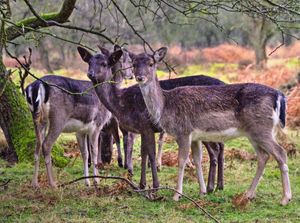
Hayley Coles, Staffordshire Council’s Cabinet Member for Communities and Culture, said: “Cannock Chase is home to a large and healthy deer population, which is part of what makes it so special.
"But at this time of year, their increased movement means a greater risk for both deer and drivers.
“By slowing down and taking extra care, especially during the rutting season, motorists can help to prevent accidents and protect these magnificent animals and all road users.”
Staffordshire Council have also released a number of tips to help drivers be more 'deer aware':
If headlights are on, use full beams when possible but dip them if a driver sees a deer because they may ‘freeze’.
Lower speed when seeing a deer. More deer will likely follow the first one seen, so be aware.
Always be prepared to stop. Avoid suddenly swerving to avoid a deer. Hitting oncoming traffic or another obstacle could be even worse.
If a driver must stop, activate hazard warning lights.
Do not approach an injured deer as it could be dangerous. Instead, call 999 and ask for the police.