The Northern Lights have been visible over the West Midlands this week - here are the best places to catch a glimpse of the aurora borealis
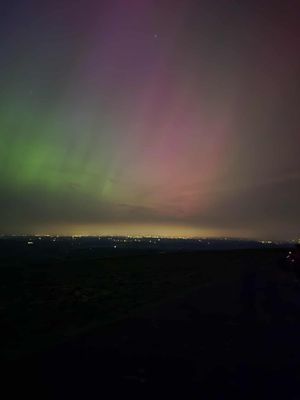
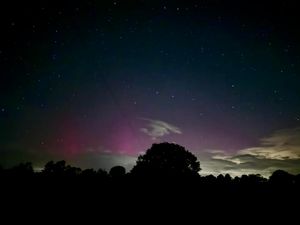
On the first evening of meteorological autumn, aurora borealis, or the Northern Lights, were visible over parts of the West Midlands.
Heightened solar activity has meant many people across the UK have already caught a glimpse, with overnight sightings in parts of Ireland and Scotland, as well as the north of England and the Midlands.
There is also a possibility that the lights will be viewable again this evening (Tuesday, September 2).
Steve Milner from the Facebook page 'Northern Lights Staffordshire' viewed the aurora from Castle Ring at Cannock Chase, one of the best viewing spots in the region, on Monday evening.
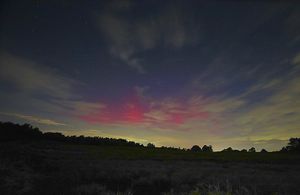
Where is the best place to see the Northern Lights?
Places like Cannock Chase, the Long Mynd or the Wyre Forest tend to be the best places to see aurora due to the lack of light pollution in those areas.
The most important thing to consider when picking a place to stargaze or look for the Northern Lights is how far away it is from built up areas.
Castle Ring at Cannock Chase is free from major light pollution, and at 11,000 feet above sea level is a perfect spot to try.
Meanwhile Shropshire has several designated spots that are ideal for stargazers.
There are no fewer than four Dark Sky Discovery Sites in the Shropshire Hills, all of them on or around the Long Mynd - but lucky residents from across Shropshire were able to spot this week's celestial spectacle.
Shropshire Star readers submitted their own photos of the aurora from around the county.
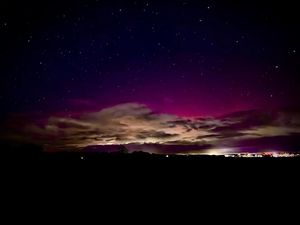
When stargazing it is always worth considering how clear the view is north of where you stand, as that is the direction you will need to be looking.
What factors affect viewing conditions?
The current weather forecast indicates a lot of cloud cover on Tuesday evening, therefore hindering viewing conditions.
Heading into the evening, viewing conditions are set to worsen, with cloudy skies in the Midlands that are not ideal for viewing the Northern Lights.
A waxing gibbous moon, which means it is between a half and a full moon, could cause disruption.
Light pollution could also play a significant role in whether you will witness the aurora or not.
By Wednesday, it is unlikely you will be able to see the Northern Lights at all, as no significant solar activity is expected, therefore diminishing the chances of seeing the spectacle.