Wetland restoration project given green light at Shugborough Estate
A conservation charity has been given the green light to restore wetland at the Shugborough Estate.
Staffordshire Wildlife Trust is working with other organisations to boost habitat in a 12.5 hectare (30.9 acre) area of the historic site known as Duck Covert.
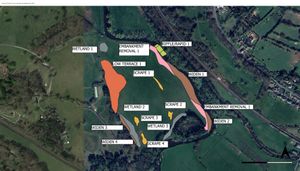
Work is set to include re-engineering of riverbank and earthworks. Duck Covert, to the east of the tourist attraction, does not have public rights of way or paths and is already wet, so it is considered an ideal location to restore back to wetland for wildlife.
Shallow scrapes will be created to ensure water stays in the most appropriate area of the site, providing water for insects, birds and mammals during dry periods. and a channel will be cut at the top of the field to reconnect an existing marshy habitat back to the river. Members of Stafford Borough Council’s planning committee visited the site on Wednesday (August 13) ahead of a special meeting to consider an application for the project.
David Cadman, head of nature recovery networks at Staffordshire Wildlife Trust, told the committee: “Our proposal is quite a significant river restoration project we have worked on in partnership with the AONB (Area of Outstanding Natural Beauty) Unit and the Environment Agency. It’s called the Trent and Sow Washland.
“We know the UK is one of the nature-depleted areas of the world and we’re now looking at one in six species potentially being lost, such as otter which frequent the site. We’ve done a lot of other restoration work in Staffs over the last few years.
“What we’re trying to do here is tackle a number of issues, namely biodiversity, and trying to recover biodiversity not only in the borough and county, but the country and beyond. It’s part of a network of projects we’ve done in and across the county, particularly focussing on the River Trent.
“We are looking at benefits for nature-based solutions; improving water quality, improving biodiversity, but also improving flood mitigation. It is essentially trying to return those fields at Shugborough into the natural floodplains that they would have been before agricultural intensification.
“We are working alongside the National Trust and these are incredibly complicated projects to fund. This particular one has three funders – the Environment Agency themselves are offering £75,000 towards this and we have also got a contribution through the AONB Unit and then there’s money through the Trent and Sow Project.
“One of the most complicated elements of trying to deliver a project like this, through three different funders, is also seasonality of the work. We can’t work on this beyond September so we are keen this gets approved today so we can start work – we will lose the funding window if we go beyond March next year.”
Councillor Jill Hood asked how the project would affect otters. She said: “I know they’re at Trentham and Stone which is just amazing – would there be any kind of potential threat to the otters?”
Mr Cadman responded: “No not threat, opportunity for them because we’re likely to create habitat that is more suited to otters. There are lots of otters on that stretch and that’s something we’re particularly careful around.
“Pre-commencement work, there will be a lot of protected species checks around otters and (white-clawed) crayfish as we need to fulfil our brief to check around those. If anything we are hoping there are more otters on-site post-work than currently.”
Councillor Ant Reid asked for further details of crayfish management. Mr Cadman said: “We are incredibly unlikely to find white-clawed crayfish – they haven’t been recorded in the area for a long time.
“Signal crayfish are not native. They are invasive and pre-commencement work will check to see if they are on site, particularly because of things like crayfish plague which do affect our native population.”
Councillor Andy Cooper said: “I know the site is not open to the public – would you screen the site off?” The committee was told there would be barriers to prevent people coming onto the site.
Committee members voted unanimously to approve the application.
Councillor Anne Hobbs said: “The fact the site is historically wetland, it’s recommended by the conservation officer, Canal and River Trust and wildlife trust, it seems a really positive thing for the area and I think we should go ahead. It should be restored and it’s going to encourage so much wildlife, particularly otters.”