
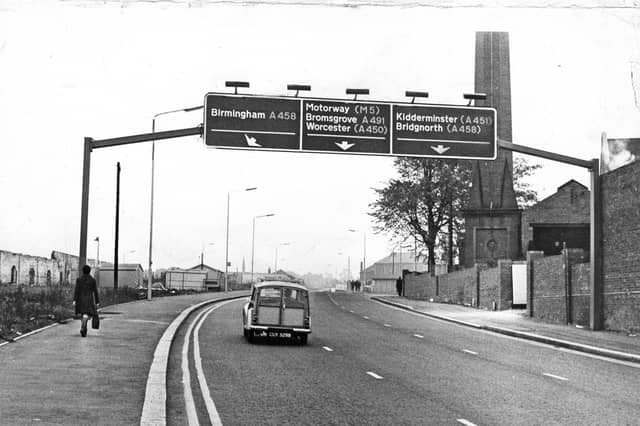

The year 1969 found the Black Country in the midst of considerable change, as its industrial heritage met the demands of a modernising region. Across Dudley, Stourbridge and Brierley Hill, familiar Victorian chapels and Georgian townhouses were being demolished to make way for new roads, pedestrian shopping precincts and improved housing estates.
Industry remained at the heart of local life, with steelworks and manufacturing businesses continuing to produce goods for markets around the world. Meanwhile, communities carried on with everyday life, from shopping in familiar high streets to celebrating local achievements and enjoying the area's canals and countryside.
This collection of archive photographs takes you back to Dudley and its surrounding areas in 1969. Which pictures bring back memories for you? Share your thoughts in the comments.
- You can enjoy this and more with our weekly FREE Nostalgia Newsletter - with scores of archive pictures and exclusive features on the history of Wolverhampton, Staffordshire and the Black Country - all sent to your inbox every week. Sign up here
- For anyone curious about where their own family story leads, MyHeritage DNA kits are currently £19.90, excluding shipping. The test can help explore genetic origins and identify DNA matches who may share branches of your family tree.
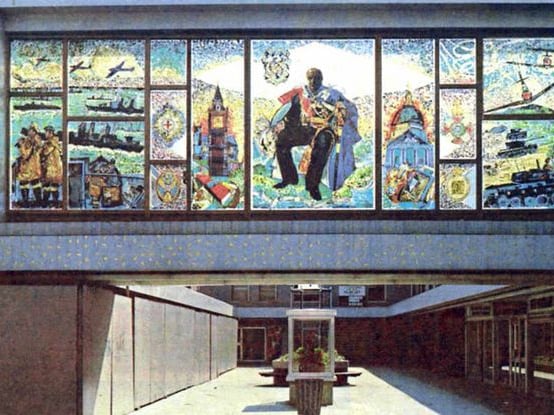
21. A vivid tribute in the precinct
Bathed in bright summer sunshine on 13 August 1969, the striking 39ft stained glass screen honouring Britain's wartime leader brings a vibrant splash of colour to Dudley's modern Churchill Precinct. Crafted from 17 intricately decorated glass panels at a cost of £10,000, the monumental artwork depicted pivotal scenes of national resilience before being dismantled when the shopping centre was enclosed in the early 1990s. Do you remember gazing up at this vivid memorial while walking through the open-air precinct, or meeting friends beneath its colourful glow back in the day? | Express & Star archive
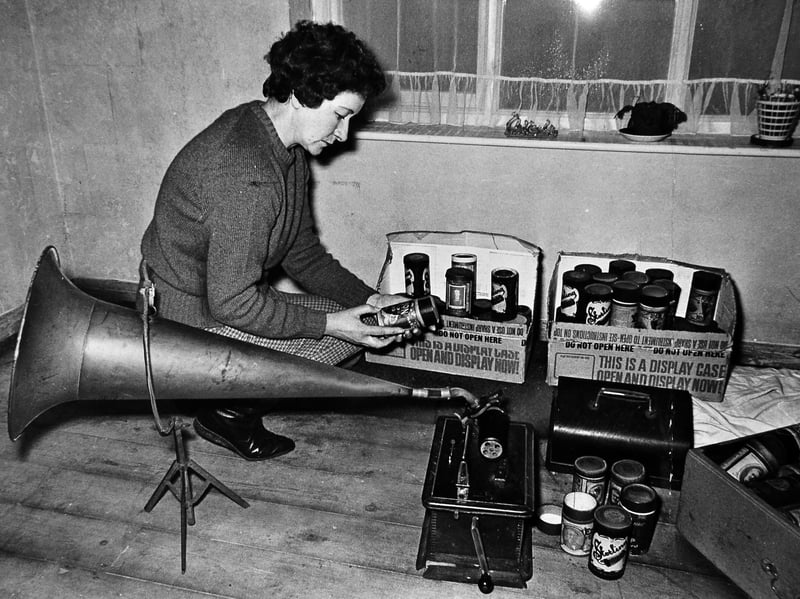
22. Sounds from another century
Kneeling on bare floorboards surrounded by original cylinder containers, Mrs J Nock inspects a recording at her home in Garden Walk, Lower Gornal, on 21 January 1969. Fitted with an elongated metal horn, the turn-of-the-century Edison-style cylinder phonograph was coaxed into playing for perhaps the first time in nearly fifty years, filling a dreary winter afternoon with crackling melodies from the dawn of recorded sound. Have you ever heard the haunting hiss and warmth of an antique cylinder player in person, or discovered an extraordinary piece of forgotten history tucked away in an attic? | Express & Star archive
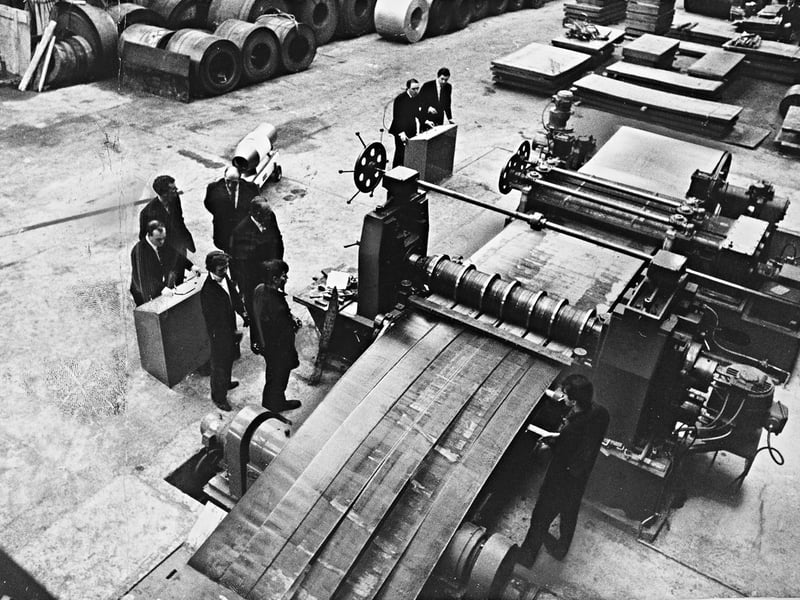
23. Cutting-edge steel on Brettell Lane
Surrounded by heavy rolled coils and stacked plates, engineers and visitors inspect an impressive new automated cutting machine at Golds Hill Steel Coil Ltd in Brierley Hill, March 1969. Boasting what was believed to be the largest processing capacity in the region and one of the Midlands' biggest flattening lines, the modernised Brettell Lane plant employed 40 local men turning raw steel strip into precision sheets. Did you or someone in your family work the processing lines at Golds Hill Steel, or do you remember the steady convoy of lorries moving heavy coils along Brettell Lane? | Express & star archive
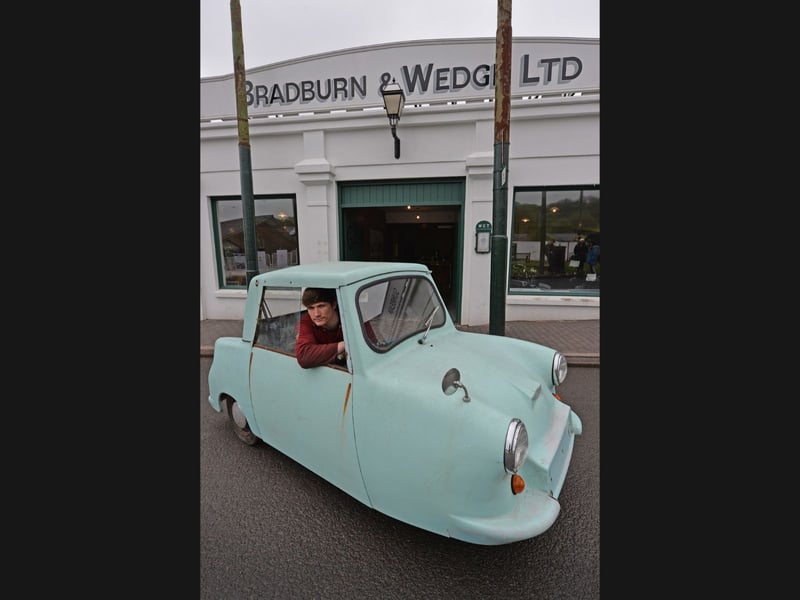
24. A vintage runabout arrives in Dudley
Sitting at the controls outside the recreated Bradburn & Wedge garage at the Black Country Living Museum, mechanic Jordan Holloway welcomes an original 1969 Invacar Mark 12E into the collection in May 2022. Finished in its unmistakable pale ministry blue fiberglass, the single-seater three-wheeler was once an ubiquitous sight across Britain, provided by the government to grant independent mobility to disabled drivers and wounded war veterans throughout the post-war era. Do you remember spotting these distinctive little blue three-wheelers puttering along local streets, or did anyone in your family ever own an Invacar? | Express & Star archives