Council tax row exposes localism futility
One of the many buzz words kicked around by central government is 'localism' but it turns out to mean absolutely nothing.
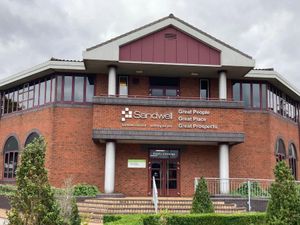
Take, for example, the case of Sandwell Council and its stinging rebuke from the High Court over its attempt to stop itself funding 'benefits tourism'.

Under the Welfare Reform Act, the government replaced council tax benefit with a grant. But it only covered 90 per cent of the bill, leaving councils to find or save the other 10 per cent.
On top of the various cuts they were facing it was no easy task.
Some, such as Wolverhampton, came up with new models to charge a small amount of council tax.
Others carried on as before, but just absorbed the hit.
Sandwell tried to be clever.
It was prepared to take the hit but didn't want to cover the costs of new arrivals as well. So it introduced a 'residency test'.
Although the example of benefits tourists from costly areas of London was given in court, the theory applied more locally.
Sandwell was effectively erecting a wall around itself to stop people from Wolverhampton or other nearby areas, where the cost was passed on to residents, from moving a few miles down the road where their annual bills would be less at the expense of the residents already living there.
It's an idea not exactly at odds with the Tory government and its own aims of stopping European Union migrants claiming benefits as soon as they arrive in Britain
But it fell foul of the High Court. And now it's left the council licking its wounds to the tune of tens of thousands of pounds of legal fees. And it faces the headache of having to appeal or look at its system all over again.
It also exposes the futility of the 'localism' agenda.
Councils were given the power to decide how to cope with these changes themselves, but then the High Court can intervene and overrule the decisions of democratically elected councillors.
It doesn't exactly bode well for David Cameron's great hope of reforming relations with the EU does it?
Hospital fight more important than tribal politics
There are just three months left before the trust running Stafford Hospital gets dissolved.
After years of inquiries and efforts to turn it around, people in Stafford now face being left with a pale shadow of what they once had.
Thousands have marched through the streets in protest. Some even took to setting up tents to fight for a better alternative.
Kate Godfrey, Labour's candidate for Stafford in next year's General Election, thinks Tory incumbent Jeremy Lefroy should stand down and trigger a by-election to force the Government to take notice.
He disagrees, saying it will leave Stafford without representation and anyone fighting for the hospital when it needs it most.
"It's time for Jeremy Lefroy to admit that his government don't listen to him, won't listen to him, and are as hellbent on downgrading our hospital as ever," Miss Godfrey says.
If she's right, would they listen to someone from the opposition any more than an MP from their own ranks?
The political battle for Stafford will come next year. For now, campaigners have bigger things to worry about than whether they're represented by the Tories or Labour. They'd probably rather know they have both on their side when they have a hospital to save.