West Midlands Police boss issued demand over Birmingham bin strike pickets
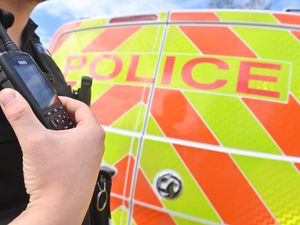
West Midlands Police is being urged to maintain its presence at Birmingham’s waste depots with rubbish collections again hit by picket line protests.
The city’s all-out bin strike, triggered by a dispute between Birmingham City Council and Unite the union, caused fresh disruption this morning, with the local authority blaming striking bin workers at its three depots.
The Labour-run council warned residents that “very few” of its waste lorries had been deployed and the number of collections would be impacted as a result.

This latest turmoil came after West Midlands Police reportedly reduced the number of officers at the depots.
The force also confirmed the use of powers, under Section 14 of the Public Order Act, was “no longer in place”.
The development prompted the Liberal Democrat group at the council to call on the police to provide a “consistent presence” amid fears of bin bags piling up again.
“At the end of March, a major incident was announced,” group leader Roger Harmer said. “Human-height mounds of black bags became commonplace, the build up of rotting rubbish attracted rats.

“Pavements were getting blocked and parts of the city were beginning to smell.
“It was a national embarrassment and terrible for the city’s reputation.”
He continued: “Back then, I called upon chief constable Craig Guildford to deal with the problem or consider his position.
“Within days, the trucks were moving and piles of waste were cleared.”
Coun Harmer said the strikers had a “legitimate reason” to protest and should be allowed to speak against the council’s administration amid fears over pay.
But he went on: “Residents’ health and wellbeing should always be the priority and waste clearance is a vital service that must continue.
“Workers who are not striking must be allowed to do their job and keep the city clear of hazardous pile ups.
“The police have powers to stop strikers from obstructing working crews – they should not wait for the city to reach crisis point again before acting.
“So I ask Mr Guildford once again: police the picket lines.
“A consistent police presence is needed until the strikes are resolved.”
Previously responding to Coun Harmer’s call to “deal with the problem or consider his position”, Mr Guildford fired back on BBC Radio WM earlier this year: “That is quite amusing coming from an armchair observer.
“Our job is to make sure we police proportionally, that we are fair, that we tread that middle ground and that we facilitate lawful protest – and at the same time, people wanting to go to work.
“That’s our job. We’ve got ample resources to police these things and the commander on the ground will increase or reduce that resource as he or she sees fit.
“With regard to the police acting now, we’ve acted all the way through.”
In a more recent statement on its presence at the pickets, West Midlands Police said: “Following a High Court ruling last week on the use of s14 powers, we have reassessed the legal position and the powers available to us.
“The section 14 legislation is no longer in place as the issue does not currently meet the threshold.
“We will continue to assess the situation and ensure our presence at the sites is in line with our core policing responsibilities.”
The Birmingham bins strike dispute was sparked by the council’s plans to scrap a Waste Recycling and Collection Officer (WRCO) role, which Unite said would force “dedicated workers onto pay levels barely above the minimum wage”.
The council has insisted in the past that a “fair and reasonable offer” has been made, with council leader John Cotton adding it “cannot and will not entertain anything that would re-open an equal pay liability”.
Recent news that waste truck drivers in Birmingham could see their jobs downgraded and their pay cut by thousands of pounds a year has resulted in further tension, with the two parties unable to reach a resolution.
On the drivers, a spokesperson for the council said: “This fair and transparent job evaluation process, jointly agreed with trade unions, is necessary to ensure the council complies with equal pay laws.”
The spokesperson said the decision to grade drivers as ‘grade 3’ was ‘indicative’ only and subject to further collective consultation.
“It is part of an ongoing process of quality assurance and moderation, and this an indicative grade which is subject to further collective consultation,” they said.
“We remain committed to delivering a fair and sustainable deal for drivers and collectors and we will continue those discussions with Unite.”