Five moments from turbulent year under Birmingham council - from ‘cat-sized’ rats to councillor resignations
When an all-out Birmingham City Council election is held in May, it’ll follow a challenging and unprecedented couple of years for the organisation.
In an alarming moment for the city, the Labour-run council declared itself effectively bankrupt back in September 2023 amid a financial black hole.
What happened in the following year was a bleak chapter for the city, one marked by a huge wave of cuts to local services and an eye-watering council tax hike.
Such turbulence continued into 2025, with another painful budget, Labour resignations and an ongoing bins strike attracting unwanted headlines for the council’s administration.
A perfect storm of issues contributed to its financial misery, including an equal pay debacle, inadequate budget setting, demand-led pressures and the disastrous implementation of a new IT system.
Labour councillors have also pointed the finger at funding cuts during the previous Conservative government.
This blame game over who’s responsible for this difficult period at Birmingham Council is likely to rumble on during the build-up to this year’s local elections, which will decide who runs the crisis-hit authority.
Against this backdrop, here’s a look at some of the key moments from the past year – and whether 2026 could offer some hope for Brummies as the council recovers from its financial strife.
1) Bins strike drama and ‘cat-sized’ rats
A Birmingham story that sparked global headlines in 2025 was the ongoing bins strike, which caused disruption and tensions throughout the year.
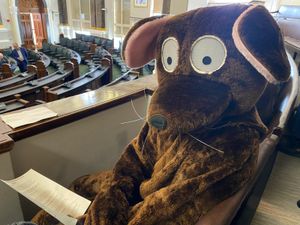
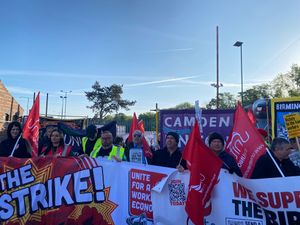
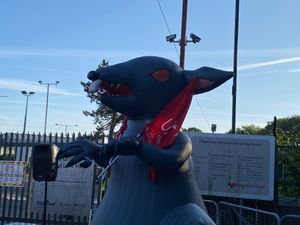
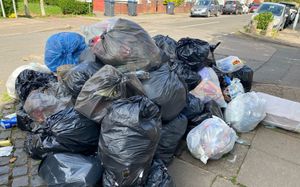
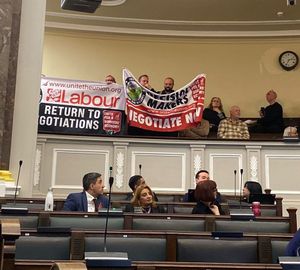
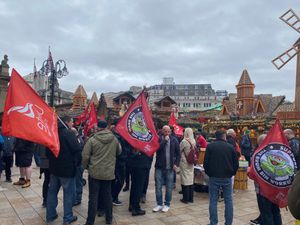
So far, the city has seen heaps of rubbish pile up outside homes; ‘megapickets’ outside bin depots; tales of ‘cat-sized’ rodents; heated interruptions during council meetings; questions over the strike in the House of Commons and a man in a giant rat costume.
This turmoil has presented another challenge for a city council already dealing with the fallout from its financial crisis.
The strike was initially triggered by a dispute between the council and Unite the union over the loss of the Waste Recycling and Collection Officer role.
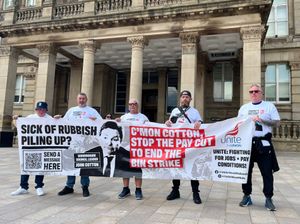
While striking workers have raised concerns about pay, the council’s leadership has insisted that a “fair and reasonable” offer had been made and argued that it cannot cross equal pay ‘red lines’.
But what could happen next? The council is trying to resolve the matter by offering alternative arrangements to the workforce while compulsory redundancy has had to be pursued in a small number of cases.
Unite has said the strike has vowed to fight on, saying the strike could continue beyond May’s local elections.
2) Another tough budget
2025 saw Birmingham Council reveal details of its second budget since it declared itself effectively bankrupt in 2023 – and it was another grim read for Brummies.
Proposals and cuts outlined in the budget impacted waste collection, libraries, parks, street lighting, culture, adult social care day centres and much more as it looked to make around £150 million in savings.
Birmingham residents were also hit by another council tax hike while fees for hundreds of council services were increased.
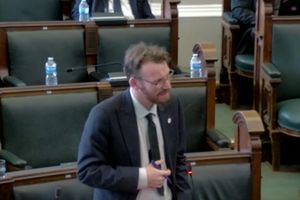
Amid criticism over a ‘double whammy of higher taxes and fewer services’, council leader John Cotton said at the time that “the savings for 2025/26 will be backed by detailed and credible delivery plans”.
He also said the council had made a “great deal of progress” on its improvement journey.
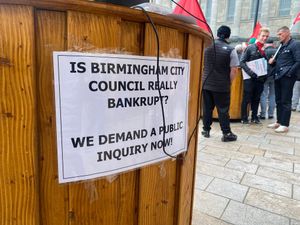
Later in the year, there were further calls for a public inquiry into the council’s financial turmoil amid a row over its crisis – you can read more about that here.
3) Labour resignations and a dramatic vote
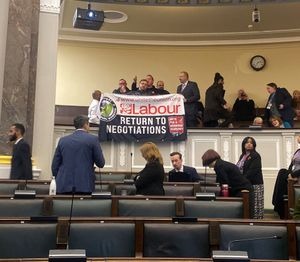
Unite argued Birmingham Labour had ‘lost its grip on power’ in 2025 after the council’s ruling Labour group dramatically lost a vote following resignations, a defection and absences.
Amid the financial misery and the ongoing bins strike saga, a number of councillors who quit Labour over the past year or so have voiced deep concern over the council’s direction.
The vote in November, concerning council representation on a committee, was initially a tie between Labour and opposition councillors.
The Conservatives argued that “current proportionate representation” should be retained after the votes were counted up.
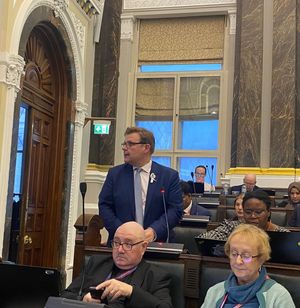
Lord Mayor of Birmingham, Labour councillor Zafar Iqbal, had the deciding vote and was told that convention dictated that he should vote ‘with the status quo’ in such situations.
Coun Iqbal therefore went with convention and voted with the opposition, a moment which meant Birmingham Labour had lost the vote and sparked cheers among the other parties in the council chamber.
“After so many councillors quitting Labour, losing the Moseley by-election was the tipping point that has broken their grip on power,” a Unite spokesperson said afterwards.
After four councillors quit Labour at the same time last year, Coun Cotton told the BBC that the local authority remained “firmly” focused on delivering for the people of Birmingham.
“Labour is ambitious for Birmingham, and I look forward to working with our fantastic fresh team of Labour candidates to win in 2026 [in the all-out council election in May] and secure a fairer future for our city,” he said.
4) Flags spark debate
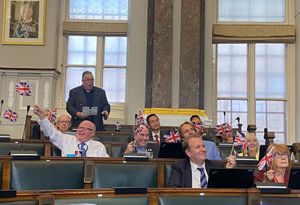
The controversial appearance of flags across Birmingham neighbourhoods became another major talking point in 2025.
England and Union flags being raised in numerous suburbs in the city sparked a fierce debate, with groups responsible describing it as a patriotic move to celebrate the country.
But there was also concern from anti-racism campaigners and other residents amid claims that such campaigns were politically-motivated and seeking to sow division.
The row over the flags even entered the city council chamber thanks to Union Jack-waving Conservative councillors.
“I’m proud of the flag, we fly it every day outside this council house,” Labour cabinet member Jamie Tennant said in response to a question.

“We have a policy around attachments to lampposts which is being undertaken.”
5) Fears over regeneration project
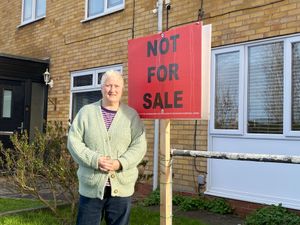
Birmingham Council is pushing ahead with a number of major regeneration projects – but such schemes are not without their challenges.
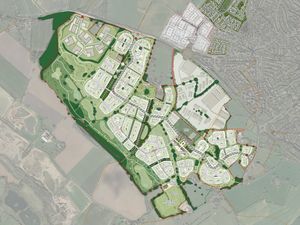
Tensions even boiled over at October’s planning meeting, which saw the regeneration project for the Druids Heath estate given approval.
It is set to provide 3,500 new homes, green spaces, new infrastructure, transport links and more.
But concerns have grown over the potential impact on the community and fears that existing residents would be priced out of the area.
After homeowners in the area spoke to the Local Democracy Reporting Service to voice their fears, a council spokesperson acknowledged that any regeneration “will bring changes that will cause understandable distress for those affected”.
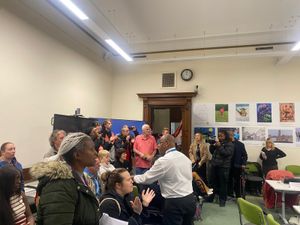
“We have worked closely with the community over the past few years to reassure them, answer questions, and to develop a masterplan for the regeneration of Druids Heath,” they said. “One that meets the needs of the people who live and work there.”
It added that it knows homeowners are “particularly concerned” about being priced out of the area.
“In response, the council has committed to delivering a shared equity scheme to prevent this from happening,” the spokesperson said.
You can read more about the controversial scheme and residents’ concerns here.
Reasons for hope in 2026 and beyond
There were several other contentious moments in Birmingham over the past year – the Maccabi Tel Aviv fan ban row, the divisive busking crackdown in the city centre and plans to demolish the Bull Ring Indoor Market being just a few.
And the May local elections are likely to see more political rows over the likes of the financial crisis and bins strike.
But there were also positive developments for both the council and the city during the last 12 months.
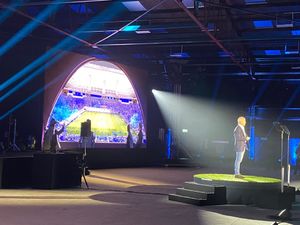
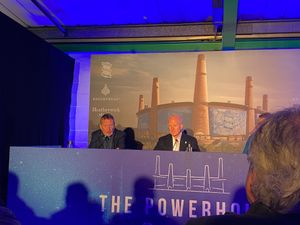
2025 saw Birmingham City FC unveil its enormous plans for a new 62,000-capacity stadium and Sports Quarter, a project which could forever change the city and bring a huge economic boost.
Sticking with the sports theme, the city is set to host a number of major events in the coming years, including the European Athletics Championships and the Invictus Games.
Plans to extend Villa Park’s North Stand were also approved by the council’s planning committee in the summer – a necessary project after Birmingham was named a host city for the 2028 Euros.
Later in the year, Brum was officially confirmed as one of the proposed host cities in the UK’s bid to stage the Women’s Football World Cup in 2035.
There is also optimism that Birmingham can become a major hub for film and TV productions, with Steven Knight’s Digbeth Loc. Studio playing a crucial role.
It was confirmed in early October that two new series of hit BBC show Peaky Blinders will be filmed in Birmingham.
When it comes to the council itself, government-appointed commissioners acknowledged challenges which the organisation will continue to face in early 2026, such as the bins strike and equal pay.
But they also noted that progress had been made in tackling them and highlighted ‘improved performance in some areas’.
In response, council leader John Cotton argued that the organisation had “turned a corner”, adding: “We are not complacent and recognise there is still much to do before we become a well-run council that delivers good services for the people of the city.”
Looking ahead to future years, the council said in December that the 2026-27 budget gap had reduced from £83 million to £1.7 million and from £127 million to £10 million for 2027-28.
But it acknowledges there are still risks to manage and savings to deliver in the months and years to come.