'Businesses are struggling to create job opportunities' - Chamber says as unemployment in West Midlands is highest in UK
Latest unemployment figures for the West Midlands paint a stark picture, revealing a region where businesses are struggling to create job opportunities - that’s the reaction from the Black Country Chamber of Commerce.
Data, published by the Office for National Statistics (ONS) on September 16, covering the period from May to July 2025, showed the region has the highest unemployment figure out of all UK regions - with 189,000 people listed as unemployed.
The figures are an increase of 1.2 per cent on stats for the same period last year and a rise of 0.9 per cent compared to the previous quarter (February to April 2025).

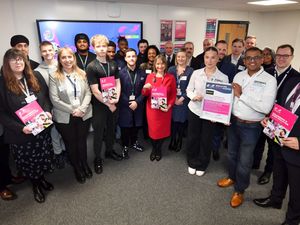
The DWP has highlighted hundreds of opportunities it says were advertised across Dudley, Sandwell, Wolverhampton and Walsall in the last 30 days plus a host of training and work experience schemes it is promoting to help get people into work, particularly young school leavers.
The Black Country Chamber of Commerce, however, has said the unemployment figures for the West Midlands paint a worrying picture of the challenges facing businesses in the region and she called for "policy stability and support for businesses to grow, not additional financial burdens".
CEO Sarah Moorhouse said: “The harsh reality in the West Midlands is that businesses are struggling to create job opportunities and that’s down to wider economic challenges and those employers face in their own businesses.
“The financial pressures on employers are becoming unsustainable. Rising costs are forcing businesses to freeze recruitment and ongoing uncertainty with speculation about further tax increases in the autumn budget, is creating a climate of caution.
“Businesses are holding back on investment decisions, including hiring, until they have greater clarity on future costs and regulatory requirements.
“What we need now is policy stability and support for businesses to grow, not additional financial burdens. Without this, we risk these unemployment figures becoming entrenched, with serious long-term consequences for both individuals and the regional economy.”
The rise in unemployment comes as employers try to mitigate increased costs since National Insurance contributions were hiked in April, along with the National Minimum Wage and National Living Wage, ahead of a looming Autumn Budget.