Metalformers welcome support for steel works but call for more aid for supply chain amid 'tsunami of issues'
The Confederation of British Metalforming has cautiously welcomed the Government’s decision to support Speciality Steel UK, which has a plant in Wednesbury, while calling for greater support for the supply chain as businesses battle against “additional costs, logistical challenges and uncertainties”.
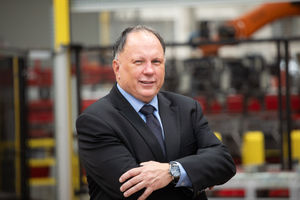
Stephen Morley, president of the CBM, has aired his views following the Government’s decision to take control of the firm in August to save it from compulsory liquidation.
Industry minister Sarah Jones said in the Commons on September 2 that the Government would “pursue every option to keep steel-making” in the West Midlands, in Wednesbury where Speciality Steel has a base in All Saints Road; and in Yorkshire where the firm has plants in Rotherham, Stocksbridge and Brinsworth.
She stressed there would be no immediate changes to the operation of the business, including jobs.
The Government’s intervention, however, will have a number of knock-on effects for the UK metalforming industry, according to the CBM’s Mr Morley.
He said the deal offers some job protection for workers but stressed there are many hurdles to overcome.
He told the Express & Star: “The Confederation of British Metalforming cautiously welcomes the Government’s decision to support Liberty Group and its Speciality Steel UK business.
“It offers some job protection for employees, as well as hope that the supply chain that supports it can be resurrected and is competitive.
“However, there are a lot of hurdles to overcome to guarantee the group’s long-term future.
"The Government’s overreaching commitment to certain parts of the steel industry is going to cause a severe strain on funds and the taxpayer. In a nutshell, the long-term costs may well outweigh the short-term benefits.
“As an organisation representing more than 200 metalforming companies, who use steel to make components for automotive and aerospace, we wish Labour would show the same level of support to the downstream supply chain.
“For example, its decision to disregard key elements of the Trade Remedies Authority’s recommendations on UK steel safeguarding measures has created a tsunami of issues.”
He said the decision made by the former Secretary of State Jonathan Reynolds, who was business and trade secretary until the recent government reshuffle, was “based on erroneous information with the cost to the downstream sector being totally underestimated”.
Mr Morley continued: “We have no idea how they can possibly come up with a cost, without speaking to importers, stockholders and downstream manufacturers - for this reason the decision reached was flawed, even before you get to the heaving weighted influence of TATA steel.
“Delays at ports, the suspension of imports, and subsequent disruptions in deliveries are reverberating throughout domestic industry because of the Business Secretary’s decision to apply significantly lower caps on residual safeguarding quotas at short notice.
“The recent changes have seen a reduction from 70 per cent volumes to just 15 per cent for some countries and, critically, this has been implemented from July 1 instead of October as initially recommended by the Trade Remedies Authority.
“The suspension of imports and subsequent delays in deliveries are creating a domino effect, with businesses facing additional costs, logistical challenges, and uncertainties about the future of their operations.
“All this decision has done is exacerbated the existing pressures on firms already grappling with the aftermath of the current economic climate.”