Huge regeneration plans could transform 'forgotten' Birmingham green oasis with 35,000
Birmingham City Council has issued an update on a major project which could transform a “forgotten” estate into a green oasis.
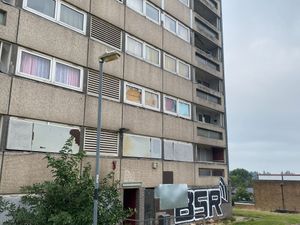
The authority’s huge regeneration scheme could drastically change Druids Heath and bring around 3,500 new homes.
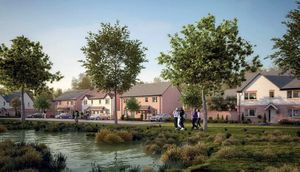
Green spaces, new infrastructure and transport links could be built while commercial and community spaces in the area would be revitalised.
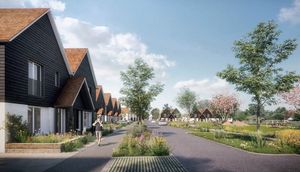
The Labour-run council said it was committed to building around 1,785 affordable homes as part of the scheme – representing 51 per cent of homes on the development.
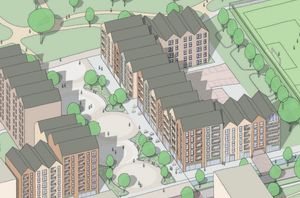
A planning application for the project was lodged earlier this year, which included proposals for sports facilities and a “vibrant” high street which would serve as the central hub of the neighbourhood.
The council confirmed this week it had identified a preferred developer for the scheme – a step which will pave the way for the regeneration project to start.
A report from the authority, published ahead of a cabinet meeting next week, said a procurement process to find a developer and enter into a strategic partnership started in May.
“The procurement procedure has now completed and a preferred developer (Developer A) has been identified,” it said.
“The next stage of this procurement is to enter into detailed discussions with the preferred developer to finalise the contractual agreements to allow for the commencement of the scheme.”
The council said the award of the strategic partnership agreement for the delivery of the Druids Heath scheme could be approved by cabinet members in early 2026.
It said the authority was “now able to give the community more certainty and assurance that the project is beginning to take shape”.
Government-appointed commissioners, sent in to oversee the council’s recovery, said they supported the council’s proposals.
“[We] recognise the approval of the intent to award is an important step to achieving residents’ and BCCs’ long-held ambition and support for the comprehensive regeneration of the estate.”
Ahead of Tuesday’s meeting, cabinet members have been recommended to approve the issue of an Intent to Award to Developer A and authorise discussions to finalise the strategic partnership agreement.
‘Forgotten estate’
The plans have attracted concern that residents could be priced out of the revamped area and questions over the support to be offered before and during construction.
“If you speak to anyone in Druids Heath, one of the things residents will say is it’s a forgotten estate,” Julien Pritchard, a councillor representing the area, said last year. “One aspect is this idea of the meanwhile – what is done to invest in the estate in the meantime?
“That is a big concern because I’m already hearing from residents that the estate is being run-down even more because it’s now being demolished.”
Paul Langford, executive director of city housing, said at the time that the council was looking to have a local presence on the estate during the regeneration period.
“Without doubt, the most challenging thing is how do you keep the estate feeling well,” he said. “How do you keep it as livable and prosperous as possible at the same time as you are essentially demolishing and remodelling the estate.
“The issues there are not just about the physicality – they’re about antisocial behaviour, about fly-tipping. I want to reassure the committee that is very much on our radar.”
Coun Jayne Francis, former cabinet member for housing and homelessness, previously said the plans would “meet the needs of the people who live and work” in Druids Heath and create a “healthier, more sustainable place to live”.
“Any regeneration will affect people’s homes and can, therefore, be a significant cause of distress for residents,” she continued. “To help, we will appoint independent advisors to advise homeowners throughout the process to ensure our residents feel supported and informed.
“We will also hold regular in-person drop-in sessions for people to ask any questions.”
On residents’ concerns about being priced out of the area, she said: “The council is looking at how we can use different financial models to give residents an opportunity to remain on the estate.
“It is really important to the council that everyone who wants to stay in Druids Heath can do so.”