
Birmingham unemployment at ‘crisis levels’

The city has some of the highest rates in the UK
Birmingham councillors have been warned that unemployment stands at “crisis levels” in certain areas within the city.
The alarming remark followed an inquiry which explored the challenge to create ‘sustainable’ jobs through regeneration projects such as Smithfield, Ladywood and Druids Heath.
It said “millions, if not billions, of pounds worth of investment” will be coming into Birmingham through such projects, which will also create “thousands, if not tens of thousands, of jobs and training opportunities”.
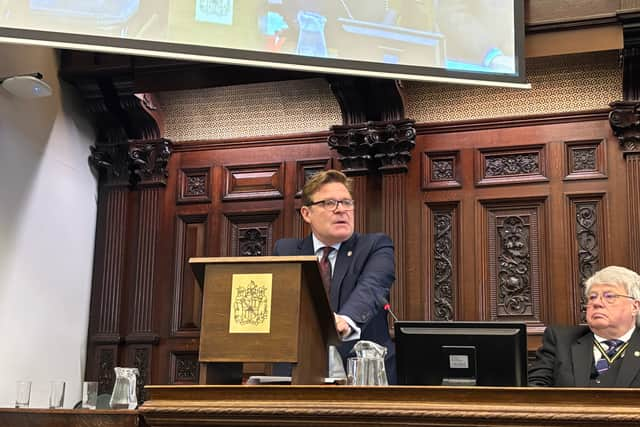

But the inquiry also raised concerns about unemployment issues which continue to plague Birmingham, with the city having some of the highest rates in the UK.
Speaking at a recent meeting about the inquiry’s findings, Labour councillor Katherine Iroh painted a bleak picture of the current situation.
“Across our city, regeneration is accelerating, but too many Birmingham residents are still not benefiting from the jobs and skills that regeneration should bring,” she said.
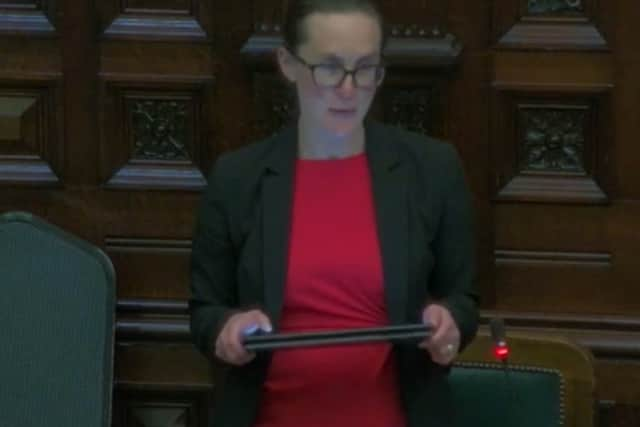
“Across Birmingham, unemployment remains one of the highest in the country – 13.6 per cent, more than double the West Midlands average and nearly triple the national average.
“In wards such as Perry Barr and Ladywood, unemployment stands at crisis levels.”
According to the inquiry, unemployment is at 28.4 per cent in Perry Barr and 24.9 per cent in Ladywood – this is compared to 2.4 per cent in Sutton Coldfield and 6.9 per cent in Selly Oak.
“Youth unemployment is nearly one in five, and yet at the same time, billions of pounds of investment are flowing into our city through regeneration schemes.” Councillor Iroh continued.
“Our question was simple – are these regeneration schemes creating long-term, sustainable job opportunities for Birmingham residents – and if not, what must change?”
The committee involved with the inquiry met with various individuals and organisations, including council officers, principals of further education colleges and universities and the contractor for HS2.
The inquiry ultimately made a number of findings, including:
- It is not clear from the evidence provided whether regeneration schemes are creating sustainable jobs for Birmingham residents as the inquiry thinks they could.
- There is a heavy construction focus on jobs and skills programmes linked t oregeneration schemes and there should be a drive to expand the range of opportunities.
- The council and its partners must think and deliver differently in the future to make a difference.
- The council needs to reflect on lessons learnt from the coronavirus pandemic and Commonwealth Games.
- The city is missing an analysis of future job needs.
- Birmingham needs to develop and implement an integrated skills pathway quickly.
- The city needs to increase the number and range of apprenticeship opportunities available for young people.
Reacting to the inquiry’s findings, Liberal Democrat councillor Jon Hunt said: “This question of access to skills and training is critical to making a difference to people’s lives.
“The problem we’ve had in Birmingham is too many young people have not had access to learning those skills.”
Conservative councillor Clifton Welch said: “Creating the right environment for job creation and raising skills across Birmingham has to be one of the most fundamental roles of Birmingham Council.
“It’s vital the council takes advantage of the excellent building blocks that the former mayor of the West Midlands, Andy Street, left following his time in office.”
“Birmingham remains a fantastic city, a city of opportunity,” Labour councillor Lisa Trickett said.
“This city is made up of huge assets and a young population that is hungry for opportunity and has the capacity to grasp it.
“But what we’re not doing is connecting it up – we are continuing to use old approaches and old ways of working that were proved to fail.”
The inquiry made several recommendations to address the above findings, such as ensuring all regeneration programmes have a jobs and skills plan in line with a citywide strategy.
‘Too many people are left behind’ – council leader
Ahead of the local elections in May, council leader John Cotton suggested “great days” could be ahead for the city and addressed unemployment when asked what Birmingham Labour’s message will be to voters.
“It needs to be about the great opportunities here in this city,” he said. “We are the youngest and most diverse city in the country.
“We know we’ve got problems when it comes to unemployment, too many people still feel locked out of growth in this city.
“That’s the bit we’re going to now focus on fixing, creating those pathways to those jobs in the growth industries – whether it’s life sciences, creative industries, or advanced manufacturing.
“Great days ahead if we seize them and work together at all levels of government – and also with businesses and communities in this city.”
Asked at a later date whether Brummies in more left-behind communities were feeling the benefits of investment coming into the city, Councillor Cotton acknowledged there is a “tale of two cities”.
“That is unacceptable,” he told the Local Democracy Reporting Service. “Too many people are still left behind when it comes to being able to access the jobs and opportunities that are growing in the city.
“We still have too many children growing up in poverty, we still have a gap in life expectancy that’s too wide between the richest and poorest.
“That’s what we’ve got to fix.
“That’s why it’s so important, having turned around the finances of the council, we’re now in a position to work with the Mayor, government, business and communities to break down those barriers.”
Comment Guidelines
Iconic Media encourages reader discussion on our stories. User feedback, insights and back-and-forth exchanges add a rich layer of context to reporting. Please review our Community Guidelines before commenting.