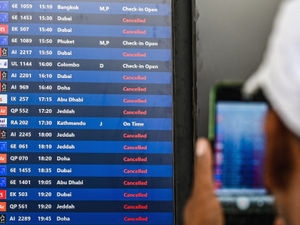
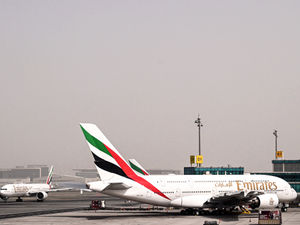
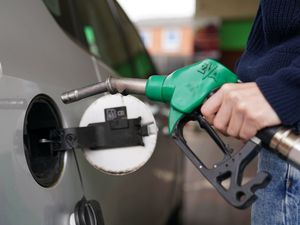
'No need to panic buy petrol': AA urges drivers as energy fears grow amid Middle East unrest
Drivers in the UK could face record-breaking petrol prices as the conflict between US and Iran disrupts oil markets across the globe.
In response to the conflict between the US and Iran, several oil companies have now suspended shipments of crude oil through the Strait of Hormuz. At least three ships were reported to have been attacked near the strait over the weekend, sending operations into turmoil.
The strait provides the only passage from the Persian Gulf to the open ocean, making it a crucial point for the operation of the oil industry. Around 20 per cent of the world’s gas and oil is shipped through the waterway.
Brent crude, the global benchmark for oil prices, jumped to $82 a barrel on Monday – a rise of over 10 per cent. The rate had already been at a seven-month high before Saturday’s attack, reaching $73 a barrel. It has now fallen back to $79 a barrel.
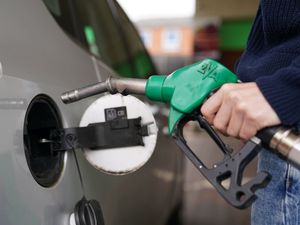
The AA motoring group says that over the next few weeks fuel costs could return to where they were at the start of the year. That would be a change to the general trajectory of fuel prices, which have been falling on UK forecourts over the past few weeks.
Further rises will depend on the magnitude and duration of the conflict, the AA said. Currently, the average price for petrol is 132.6p a litre and 142.3p for diesel, according to AA data.
Edmund King, the AA’s president, said: “Pump prices in the coming weeks will inevitably increase, possibly in the short-term back up to where they were at the start of year. Petrol in February had been at a low of 131.9p a litre. It had started this year at 135.7p a litre.
“The silver lining is that the country is coming out of winter and the fuel efficiency of cars improves significantly with warmer weather: engines are no longer straining with cold starts or toiling to power heaters, lights and wipers. Typically, car owners see an improvement of three miles per gallon as they get more range out of a tank of fuel. As a rule of thumb, each 1 mpg change is equivalent to 1p on or off a litre of fuel."
Mr King urged drivers not to panic buy petrol. He added: “There is no need for drivers to break their refuelling routine. As well as better fuel efficiency, it takes time for cost increases to work their way through to the pump.
"Supermarkets tend to hold their prices down for longer. However, with the Government’s Fuel Finder pump-price transparency now becoming established, drivers will soon be able to spot all the cheaper fuel stations locally and locate where to keep their fuel costs down. Most car commuters will already have filled up for the start of the working week. They now have 300 miles or more in their tank – plenty of time to gauge what is happening at the pumps and then go looking for the cheaper fuel."