Competition for Britain's first Town of Culture is launched- we look at the runners and riders in the West Midlands
The race has begun to select Britain's first town of culture, with a Black Country town one of the first out of the blocks to stake its claim.
Entries opened today for the competition to find the UK Town of Culture 2028, with a number of towns in the West Midlands expressing an interest.
Sign up to our free newsletter today
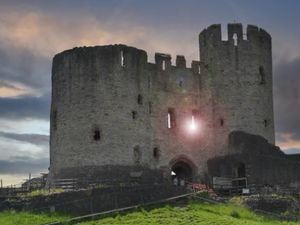
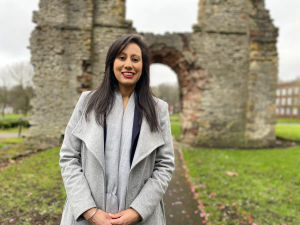
The competition was announced by Culture Secretary Lisa Nandy before Christmas, and within minutes Dudley MP Sonia Kumar had staked her town's claim for the accolade. She cites the town's zoo, castle and Black Country Living Museum, and says it would give a much-needed boost to ambitious plans to extend the Dudley canal tunnel to the world-renowned Wren's Nest National Nature Reserve.
Since then fellow Dudley borough MPs Alex Ballinger and Cat Eccles have staked rival claims for their constituencies. Mr Ballinger, who organised a parliamentary debate on the subject last week, championed the stunning landscape of Leasowes Park, and the work of the Hales Owen Abbey Trust as reasons why Halesowen should be given consideration. Miss Eccles, making the case for a joint bid for Stourbridge and Brierley Hill, highlighting the towns' glassmaking heritage and grassroots music scene.
Elsewhere in the wider region, Stoke-upon-Trent, Ledbury and Ross-on-Wye have also expressed interest.
But which other West Midland towns might be in the running? Lichfield, officially a city, but still eligible, seems an obvious contender, with its historic cathedral, thriving theatre, and popular food festival, not to mention being the birthplace of dictionary compiler Samuel Johnson. West Bromwich, as the birthplace of rock legend Robert Plant, Hollywood star Madeleine Carroll, could also be a contender, along with Walsall, with its avant-garde art gallery and historic leather industry. Cannock's coalmining heritage could also make it a contender, while Stafford, with its Norman castle, Gatehouse Theatre and Ancient High House could also be in the frame. Bilston, as the home of glam rock band Slade, Robin music venue and steelmaking history, could be an interesting left-field choice.
Possible contenders:
Dudley:
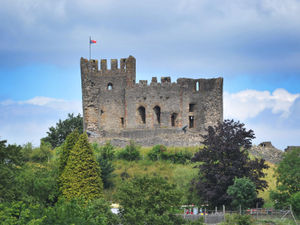
As the historic Capital of the Black Country and birthplace of the Industrial Revolution, there is no shortage of history. The zoo, castle, Black Country Living Museum and St James' Priory are not only major attractions, but would also be ideal for holding cultural events. Wren's Nest National Nature Reserve is one of the world's most important geological sites, with 420 million years of history. It would be hoped that Town of Culture status would boost plans to reopen the famous Seven Sisters limestone caves to the public. Famous sons and daughters include Sir Lenny Henry, Billy Dainty, Abraham Darby, Dud Dudley, Sam Allardyce, Sue Lawley and comedian Norman Pace.

Lichfield:
Best known for its splendid cathedral, it is also the birthplace of Samuel Johnson and home of physician Erasmus Darwin. Attractions include the Garrick Theatre, Beacon Park, and Stowe Pool. With the popular food festival and annual Bower Festival, Lichfield is used to hosting big events.
Walsall:
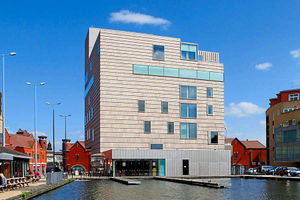
The New Art Gallery has given the town a national profile in modern art, while the town's leather museum - wherever it will be located in 2028 - gives visitors an insight into the town's past. Home to Walsall FC, and sons and daughters include Coronation Street stars Sue Nicholls and Matthew Marsden, comedienne Meera Syal, Hid-de-Hi star Jeffrey Holland, and Z-Cars actor Frank Windsor.
West Bromwich:
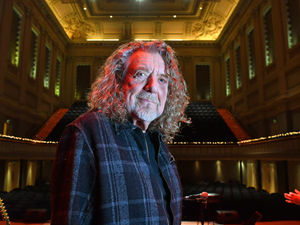
Home to West Bromwich Albion, and the birthplace of Hollywood actress Madeleine Carroll, and rock legend Robert Plant. The Sandwell Valley is a popular beauty spot, while the Oak House depicts the town's history.
Cannock:
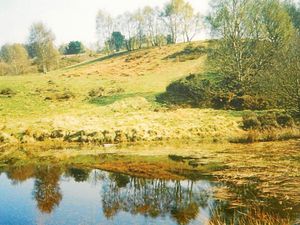
here are said to be more than 600 heritage assets in the Cannock Chase Area of National Beauty, including prehistoric remains at Castle Ring -the largest Iron Age hillfort in Staffordshire - and medieval manors and parkland. In the 20th century, Cannock became known for its mining industry, which is something any bid would likely focus on. The recent closure of the town's museum and Prince of Wales Theatre may prove a sore point, but the competition could also be an opportunity to get them reopened.
Stafford:
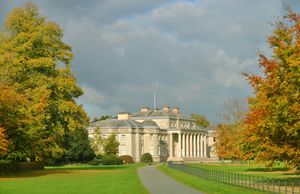
The Ancient High House is England's largest Elizabethan timber-framed house, while the nearby Shugborough estate is one of the region's most popular stately homes set in beautiful parklands. Stafford Gatehouse Theatre atrracts top acts from around the country, while smaller gems such as Izaak Walton's cottage -once home to the father of modern angling - provide a fascinating insight into the town's history.
Miss Nandy, whose own Wigan constituency might also be a contender, said there was much for people to be proud of in the towns they were from.
"From the rich, local history to unique festivals and celebrations., they have shaped our national story for decades," she said.
"Now it’s time they take centre stage and showcase the unique stories they have to tell."
The competition will run alongside the UK City of Culture competition, launched in 2009. Londonderry eventually became the first City of Culture in 2013, beating off rival bids from Birmingham, Norwich and Sheffield. Since then the title has been held by Hull, Coventry and Bradford.
Miss Nandy added: “We have seen the transformative power of culture through the UK City of Culture competition. I want to make sure that towns have the same opportunity to make a real difference to their local community and show the world exactly why their town is so special.”
Applicants will be invited to deliver a 'vibrant cultural programme', demonstrating their towns’ visions and voices.
A panel led by Sir Phil Redmond, creator of the Grange Hill and Brookside television series, will then whittle the entries down on the basis of how they plan to tell their town's unique story, how they will bring everyone in a community together, and how towns will make their plans a reality.
A shortlist is expected in spring, with each town making the grade receiving a £60,000 grant to produce their final bids.
Three finalists - one small, one medium, one large town - will be chosen. The winner will be crowned UK Town of Culture 2028 and receive a £3 million prize. The two runners-up will each receive £250,000 to deliver elements of their bid, from refreshed community infrastructure to electric music festivals.
Competition chairman Sir Phil Redmond said he was delighted to have been appointed to the role, as in the past it had been hard to adequately demonstrate the diversity of the UK’s cultural landscape through the UK City of Culture’s urban lens.
“The two competitions will complement each other while providing more opportunities for more places to both demonstrate and celebrate that creativity is not confined to the great urban concert halls, theatres or galleries," he said.
"It is in everything we do together. In every town, village, neighbourhood, street or road. UK Town of Culture asks what makes your town special? What makes its people proud to be there? And why should that be celebrated?”
The Government says the UK City of Culture competition has delivered transformative benefits for its four winners.
Bradford, which held the title last year, is projected to benefit from £389 million in growth across the district, with visitor numbers up 25 per cent during its year in the spotlight. Early estimates show audiences for its City of Culture programme exceeded three million, with 80 per cent of residents surveyed saying it improved their wellbeing and made them feel proud of where they live.
The search for UK City of Culture 2029 is also open to applications from cities, larger towns, regions and groups of places. The winner will receive £10 million.
Halesowen MP Alex Ballinger last week held a Westminster Hall debate in parliament to discuss the opportunities the competition could present, duriing which he made the case for his own constituency.