Police urges to 'stay safe' from fraud when online shopping this Boxing Say
Police have urged vigilance while shopping online for Boxing Day deals this year.
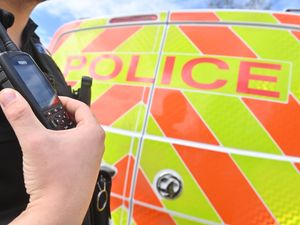
West Midlands Police have warned shoppers to 'stay safe' while shopping online for Boxing Day deals.
The force said that they are urging the public to be extra vigilant as criminals look to exploit people shopping online during the 'prime time' for online scams.
Get the latest headlines delivered straight to your inbox with the Express & Star’s free newsletter
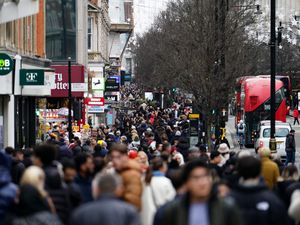
It comes as millions scour the internet each year in the hopes of finding discounted goods in the Boxing Day sales, with West Midlands Police warning that the internet becomes a 'breeding ground' for fraudulent activity.
A force spokesperson said: "Boxing Day is a prime target for online scammers.
“With millions of people eager to snap up discounted goods, the internet becomes a breeding ground for fraudulent activity. These sophisticated criminals employ a variety of tactics to deceive unsuspecting shoppers, from creating fake websites and sending phishing emails to exploiting social media platforms. If you suspect you've been targeted or are a victim of fraud, report it immediately to Report Fraud.
"We're working around the clock, acting on the information you report to stop scammers and protect those most vulnerable in our communities."
West Midlands Police is offering some of their top tips for staying safe while looking for a bargain online, saying to 'double check' website addresses, and to pay with secure methods.

Top tips to stay safe from fraud:
Double-check the website address: Make sure the website address starts with "https" (the "s" stands for secure). Look for a padlock symbol in your browser bar. Avoid clicking on links to online stores in emails or texts. Instead, type the official website address directly into your browser.
Beware of phishing emails, texts, and even social media posts: Be wary of links received that appear to be from legitimate retailers offering exclusive deals. These could be phishing attempts designed to coerce you into making payments or handing over your bank details.
Pay with secure methods: Use trusted payment methods like credit cards or PayPal, which offer buyer protection. Never pay by bank transfer. When buying things second-hand in person or through marketplace sites, be wary of exchanging large amounts of cash. Remember to inspect the item before buying and bring a trusted person with you to witness the purchase.
Only provide mandatory details at checkout: Avoid creating unnecessary accounts or providing information that is not linked to your purchase. Don’t allow your browser to remember or store payment details.
Check product reviews carefully: Before making a purchase, read reviews from consumer websites or other customers to spot any potential scams or red flags.
Use strong passwords for all your online accounts. Use unique, strong passwords for every single online account.
Enable two-factor authentication (2FA) wherever possible: It's also known as 2-step verification (2SV) or multi-factor authentication (MFA) to add an extra layer of security to your online accounts. This helps prevent access to your accounts even if your password has been compromised.
Keep your tech updated: Regularly update your devices and software. These updates often include security patches that protect you against known vulnerabilities.
Keep an eye on your bank statements: Check your bank statements regularly for any unauthorised transactions.
If it sounds too good to be true, it probably is: Be wary of deals that seem significantly lower than anywhere else.