Every breath I take I'll be missing you and your bonkers, fruity flavours: yes, my last disposable vape has run out
The familiar sinking feeling of sucking on an empty disposable vape was all the more painful when I remembered they are now banned.
It started years ago with Banana, then Banana Ice, then Bananarama.
Feeling nostalgic, I went for Full Fag flavour which led me to trying Wet Cigarette Nubs Off the Floor. Then My Little Pony's Tears and Barbie's Sweat flavours changed the game.
Classic Cherry Cola became a favourite but you needed to buy them before 3pm when all the schoolchildren would stampede to the shops and clear the shelves of disposable vapes.
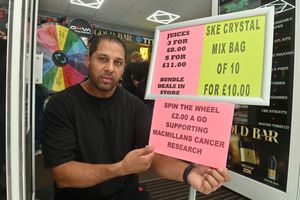
On Sunday (June 1), throwaway vapes were banned and now all the cheap clearance ones bought last weekend are running out.
The Government has stuck its nose into millions of lives and banned a popular product which helps many get through yet another day of tedium and disappointment.
First they wrecked pubs by banning smoking in 2007. The disgusting revelation that without cigarette smoke, every pub stank of farts, paled into insignificance when boozers began disappearing entirely as smokers stayed at home to drink.
An alternative to the entire ban, which allowed pubs to have a designated smoking room, was on the table briefly but big breweries who had spent millions knocking their pubs into open-plan single rooms realised smaller, independent premises with snugs and bars would have an advantage, backed the full ban. Then last year a pub-crippling plan to ban smoking in beer gardens was announced, before thankfully being pulled.
In 2016 they took away 10-boxes of cigarettes, which any smoker will tell you led to more smoking because a 20-pack will disappear a lot quicker than two ten-boxes. This was whilst they allowed cigarette machines to sell 16 cigarettes in 20 boxes.
In May 2020 they banned menthol cigarettes, claiming children loved the fresh taste of mint. Mint-mad kids, everywhere. But someone in Parliament had not sealed the loopholes of the banning bill: the day after the ban there were suddenly new products on the shelf. There were mint-flavoured strips which could be popped in a normal box to make cancer sticks taste minty.
Even more worrying, a totally new product emerged: dual mint cigarellos. Not cigarettes, but cigar thingies, with a button to make them taste minty. And because they were not cigarettes, they came in a box of ten.
Furthermore, people quickly realised that if you peeled off the brown cigar paper, it tasted like a normal cigarette.
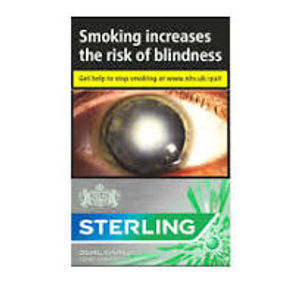
And they cost £7.49, which meant there was a cheaper, mint-flavoured tobacco product on the shelves because of the ban of menthol cigarettes.
Well done Parliament: a classic example of unintended consequences of legislation.
All around us, we live with the unintended consequences of lazy legislation.
The multi-billion pound house in multiple occupation (HMO) and supported housing human misery industry is probably the most serious recent example of this phenomenon. One line in an amendment to a housing bill to help the most vulnerable people in the country turned ruthless landlords into multi-millionaires and changed entire communities by replacing families with houses of single men.
Three-bedroom houses were split into seven-room HMOs or supported housing with each room costing the taxpayer over £800 a month. And the vulnerable people living in those rooms are not even protected by tenants' rights that previous generations fought for, many at risk of being evicted with an hour's notice.
Another disastrous unintended consequence of hardline legislation was when prisons clamped down on cannabis. Inmates' sentences were extended if they tested positive so nefarious chemists came up with a synthetic alternative to natural weed: 'spice' or 'mamba', which for a few years was even legal.
Prisoners passed their urine tests with flying colours but spice took a heavy toll on users' mental health. "Mamba-ulances" were needed to take frothing-at-the-mouth prisoners, who had been happily getting stoned on cannabis for years before the ban, to hospital.
Prison officers, who advised against the ban, bore the brunt of spice with assaults rocketing after sweeping UK prisons. It did not take long for mamba to begin wrecking lives on the outside.
The war on people who puff is another perfect example of Parliament getting it wrong. Or more precisely, their plan to cut down nicotine addicts has spectacularly backfired.
When vapes came on the market around 2014 they were pushed as an alternative to smoking. Fast forward 11 years and we now have a generation of children hooked on nicotine through sweetie-flavoured vapes. And not just sweets, but child-friendly, non-fruity flavours like Rainbow, Gummy Bear, bubble-gum and vanilla soda. Or Mr Blue. How can a colour be a flavour, unless it's orange?
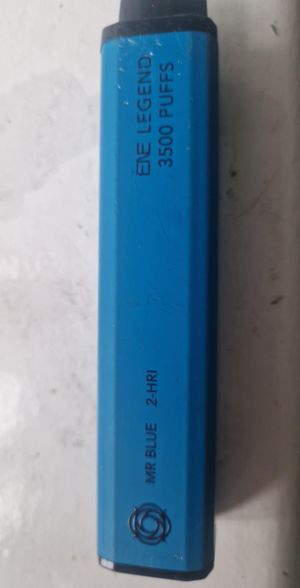
This new nicotine delivery system came just as the social stigma associated with smoking started to resonate with youngsters, obviously putting the tobacco industry into a panic.
Now instead of looking like The Fonz, smokers are more likely to be compared to a serial killer as they huddle in corners puffing away in the cold. They are fast approaching the reputation glue-sniffers had in the 1980s.
But then again, speak to a smoker and look at what they are smoking. Depending on where you are, and who you are speaking to, there is a good chance they will not be holding a greeny-browny (the authorities purposely picked the most hideous colour possible) pack with a familiar name. They will either have a colourful pack of well-known cigarettes, or a brand you have never heard of: Minsk, Eze, Top Gun or Premier Denim.

Cigarettes now cost around £16, or £19 if you are unlucky enough to have to buy them at a petrol station, so a massive black market now has law-abiding citizens taking a walk on the wild side. A 50-year-old smoker will have seen the price of cigarettes go up from £2.50 to £17 as every chancellor has used every budget to clobber smokers. Strangely the amount of tax imposed on cigarettes does not make economic or moral sense.
A long time ago American founding father Thomas Jefferson said: “If a law is unjust a man is not only right to disobey it, he is obligated to do so”. Now smokers can easily circumnavigate the taxing of their vice.
The exorbitant price has even seen the return of singles for sale. Shopkeepers were banned from selling single cigarettes 20 years ago as they were often purchased by children unable to afford a full pack. However, shopkeepers with trusted clientele are hawking a single Superking for as much as £1 each.
Previously, contraband cigarettes and rolling tobacco were only available when Snouty Sue went to Tenerife but are now available on most high streets and countless corner shops. Many (by no means all) "international" shops offer alternative smoking options.
They; are always at risk of a visit and fine from Trading Standards, but the profits must be worth taking a hit. The fines and punishment for selling snide cigarettes are not as punitive as those for an off-licence selling liquor to under-aged drinkers.
If you look too smart, too straight, then you might have to wait until a customer in front of you buys from the under-the-counter selection. But however it happens, as soon as the nod, nod, wink, wink cigarettes come out, the price of 20 plummets by two thirds.
Some packs are awful, dangerous and fake. Others taste perfectly fine: they are the brands which immigrant communities enjoy at home and have imported to Blighty, and now the restless natives have been let into the secret, it will be painful to pay full price again.
One smoker remarked: "It is better to buy a foreign brand you've never heard of than a British brand which are obviously fake. Richmond always ring alarm bells." There are even cigarettes with capsules which can be clicked for mint, blackcurrant and watermelon.
There are still Snouty Sues about, and they seem to have a permanent suntan, with a sleeve of cigarettes costing up to a tenth of UK prices in the Canary Islands.
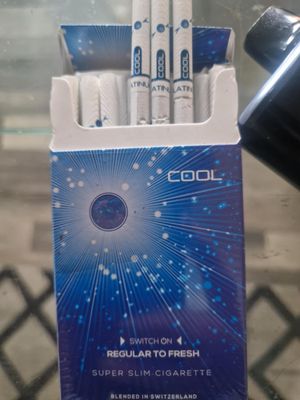
Due to governments being greedy, instead of getting more tax revenue from reasonably priced tobacco, they are now getting no revenue from an ever-increasing number of smokers buying illegal cigarettes. And there are more people smoking rat poison and earwigs dressed up in a badly-printed pack of Richmond.
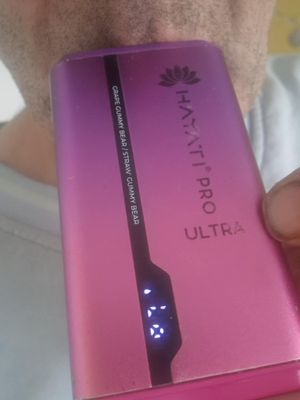
In the same shops which sell snide cigarettes, balding blokes have to wait behind giggling teenagers ordering vapes. And not just any vapes: illegal, high-nicotine, super-sized vapes - like the Hayati 10,000-puff vapes which cost £10 compared to the legal 800-puff vapes (£5).
The tobacco industry always wins: they invented the playbook when it comes to confusing the public about what kills them. In the 1960s, all the tobacco giants sat round a table in New York and agreed their cigarettes killing people was not a good look. They would have to cut back the advertising claiming smoking is actually healthy.
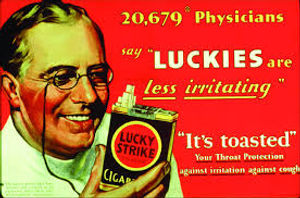
They understood they could never win the argument on the danger to public health as medical evidence would become public - but there was a way they could not lose. By muddying the waters and confusing the public, they could keep the profits rolling in.
So dodgy doctors were hired to say the link to cancer had not been proved (when it had), organisations bankrolled by tobacco companies published serious-sounding reports undermining honest doctors whose smoking patients were dying at an alarming rate.
Cigarettes causing cancer should have led to immediate action from governments but instead the debate lasted decades, as did the industry profits. Every dangerous product or industry since has used the same tactics: oil exploration, fracking, animal testing and ocean mining to name a few.
And again, the tobacco industry has played a blinder concerning the threat of vaping. Realising younger generations (in the West) were finally turning their back on cigarettes, they needed a new way to get people addicted to nicotine. And the electronic cigarette, first invented in China in 2003, answered their prayers.
Ever since in China, where geniuses invent the cheapest possibly made products using the nastiest plastic which will still be on the planet when apes are running the gaff, all manner of disposable vapes were being churned out, destined for our school playgrounds.
Brands like Crystal, Hayati and Lost Mary now sell millions of units every week, in a market too big to ignore, forcing parliamentarians to address the danger to the public. And who woke them up? The tobacco industry among others with more pure motives: they wanted to put the disposable genie back in the bottle whilst allowing their refillable, rechargeable brands to corner the disposable-less market.
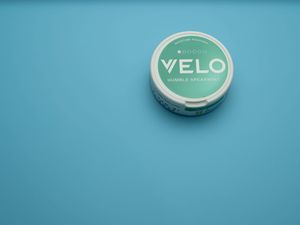
British American Tobacco owns Vuse, which is considered the number one vaping brand globally. It also owns the Velo brand of nicotine pouches, the nicotine-releasing Scandinavian-inspired product which is wildly popular with footballers. Japan Tobacco International owns E-Lites and Altria (formerly Philip Morris International) owns N-Joy vapes.
No-one can say exactly what the long-term effects of vaping are, because they have not been around long enough for any medical studies to have run their course.
It did not have to be like this. In Australia, they were banned from the get-go just as they were in Argentina, Australia, Brazil, Brunei, Cambodia, India, Iran, Mexico, Qatar, Singapore, and Thailand.
But then again, why shouldn't adults who like nicotine, which is legal, and like Bananarama, be allowed to vape if they know the possible dangers? Isn't it a free country?
Even after last week's disposable ban, refillable, rechargeable vaping is still allowed.
With the menthol ban it was almost as if the tobacco industry was prepared for it, with new products designed to circumnavigate it ready to go when the ban became law. And is there any wonder the Government announced the ban a year before it happened?
The same has happened with the disposable vape ban: the Tobacco and Vapes Bill was introduced in March 2024 but only became enforceable last week.
So although I might have sucked my last disposable vape dry, I have faith in the ingeniousness and inventiveness of profit-driven companies to provide a product which negates this ban.
See you down the international shop on payday!