'Draconian': Crackdown on buskers in West Midlands city slammed by performers
A West Midlands city wants to introduce a Public Space Protection Order to crackdownon buskers and street performers
New proposals to crack down on busking and street preaching in Birmingham city centre have been slammed as “draconian”.
Birmingham City Council said earlier this year it was considering the introduction of a Public Space Protection Order (PSPO) to combat ‘excessive noise levels’ in a number of streets.
This issue impacted businesses, residents trying to relax at home and landlords attempting to let properties within the city centre, the authority claimed.
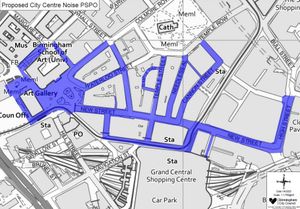
Areas covered by the proposed PSPO would include Victoria Square, New Street, Temple Street, Cannon Street, Needless Alley and part of Waterloo Street.
Within the relevant areas, people would be banned from using amplification equipment, musical instruments or other items used as instruments.
It would crack down on noise associated with busking, street entertaining, street preaching and public speaking affecting residential homes and businesses.
But the proposals have been criticised by Equity, a performing arts and entertainment trade union, as well as the Musicians’ Union, which argued they would harm the city’s arts scene.
“In a city that has already cut all of its arts funding, the creative sector is being delivered another blow by the city council,” Ian Manborde, Equity’s Midlands regional official, said.
“This proposal will effectively ban all busking and any form of street entertainment in the city centre, hollowing out even more of the already shrinking arts offer in the city and diminishing the street-level arts experience of residents, workers and visitors.”
Stephen Brown, MU Midlands regional organiser, claimed the council was “using a sledgehammer to crack a nut”.
“They revealed in conversation with the MU that not all buskers are a problem,” he claimed. “But rather than deal with anyone causing a statutory nuisance in a reasonable way, they have chosen a more draconian way to address the issue – by proposing a blanket ban affecting all buskers.”
He said a more “nuanced approach” was the answer, by permitting daytime busking in the city centre through a “better management scheme of noise control and agreed pitches”.

'Birmingham is a bustling, cosmopolitan city centre'
A spokesperson for the city council said in response: “Birmingham is a bustling, cosmopolitan city centre, and we want everyone who lives, works and visits it to be able to enjoy what it has to offer.
“The council is not considering introducing this PSPO without reason.
“We have received a significant and consistent number of complaints from both residents and businesses that there are too many people causing noise in the street and, despite being asked to moderate their noise levels, there has been no respite for the affected people. ”
The spokesperson said the PSPO aimed to tackle “excessive noise levels” caused by street preachers, buskers, and street entertainers, which they said have caused “alarm and distress to residents and businesses”.
“The consultation remains open until Sunday, May 25 and we encourage residents to put forward any views and opinions they have on the matter,” they added.
The council already has two city centre PSPOs aimed at controlling noise levels on the streets around residential accommodation, which are due to expire in August.
But it acknowledged there had been an increasing number of complaints outside those orders and is consulting on the proposed declaration of a “new wider PSPO area” in the city centre.
Previously justifying its proposal, the council said “excessive noise levels” were affecting businesses and residents in a range of ways.
A council officer even reportedly suffered temporary hearing loss when they approached an individual who was using amplification equipment.
“The majority of the recorded incidents were in the High Street and New Street area of the city centre where there is a significant footfall,” a consultation document said.
“Excessive noise levels in this area are particularly problematic as the streets are relatively narrow with high-sided buildings either side leading to sound being echoed.
“Attempts to resolve this matter informally through a voluntary code of conduct and through engagement with individuals on the street have been unsuccessful.”
The consultation, which closes on May 25, can be found on the Birmingham Be Heard website here.