
De-regulation of West Midlands buses moves a step closer as mayor meets passengers in Walsall
Plans for a franchised bus network across the West Midlands will go to consultation in the new year after getting a major boost this week.

An independent audit has found the plan would offer improved services and better value for money for the taxpayer.

At Friday's West Midlands Combined Authority (WMCA) board meeting at Walsall Town Hall, council leaders heard details of the audit and agreed to launch a 12-week public consultation on the plan, starting on January 6, 2025. This will be reviewed before a final decision is taken in the spring.
The report by auditor EY concluded a franchising system would increase competition among operators for contracts, raise standards of service and offer better value for money.
West Midlands Mayor Richard Parker set out his vision for reforming buses shortly after he was elected in May, saying franchising would give the public control over fares, routes and timetables.
He said under franchising, Transport for West Midlands (TfWM), which is part of the WMCA, will set the fares, timetables and routes of bus services and award contracts to private bus operators to run them.
TfWM is currently paying £50 million a year in top-up funding to keep commercial bus services on the road but ultimately decisions over which routes run and frequency of services still sits with the private bus operators.
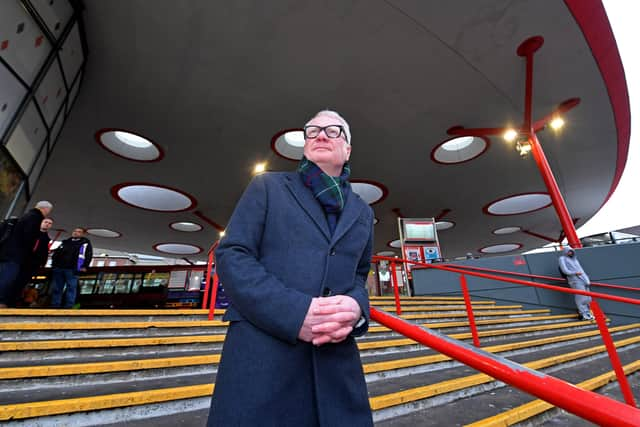
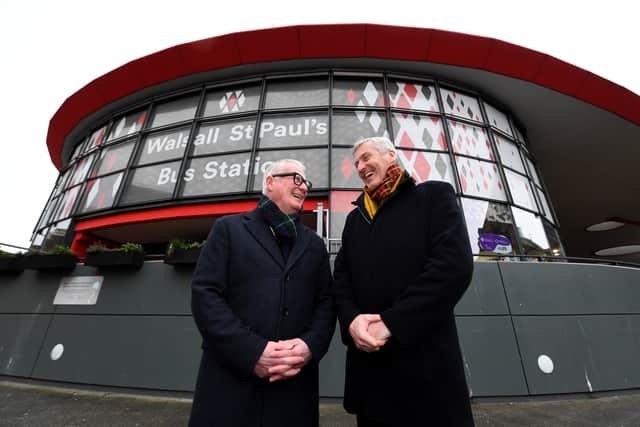
After the meeting on Friday the mayor visited St Paul's Bus Station in Walsall to meet customers and transport workers. He said that if approved, the franchise model would bring many advantages to them.
He said: "Thousands of people rely on our bus network for their daily commute to work or school, hospital appointments and doctors’ surgeries, trips to the shops and days out.
“But despite getting £50 million a year of public funding we have no direct control over services and people tell me they’re unreliable and don’t take them where they need to go.
“Today, council leaders have backed my plans to progress to a public consultation on bringing buses under greater public control. This is a major step forward to making it a reality.
“I pledged to make our buses work for the people of the West Midlands, and already we are starting to deliver on it.”
If approved, the cost of transition is estimated at £22.5 million over the next three years. This does not include the purchase of depots or vehicles, which could be funded through low-cost borrowing – paid back through future fare income.
Comment Guidelines
Iconic Media encourages reader discussion on our stories. User feedback, insights and back-and-forth exchanges add a rich layer of context to reporting. Please review our Community Guidelines before commenting.