Tunisia terror attack inquest: Hotels horror 'was waiting to happen'
Poor security at beach hotels in a Tunisian resort was criticised in a report for the British Government just months before 38 people – including three members of a Black Country family – were killed in a terrorist attack, an inquest heard.
The January 2015 'recce' of hotels in Sousse included the Riu Imperial Marhaba where Patrick Evans, 78, Adrian Evans, 49, and 19-year-old student Joel Richards, were staying when Seifeddine Rezgui struck massacring tourists the following June.
Suzanne Davey, 42, originally from West Bromwich, also died in the massacre.
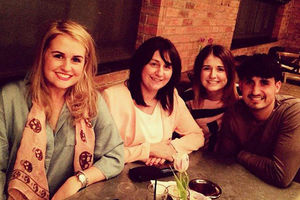
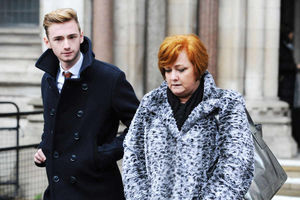
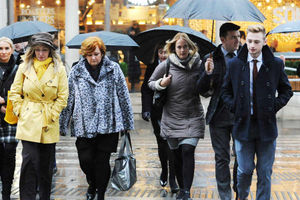
Relatives including Suzy Richards who lost her son, father and brother in the killings are attending the inquests, which opened on Monday. She is joined by her son Owen who survived the attack.
Chilling footage released during the hearing shows the gunman being dropped off by an accomplice in a white Peugeot transit van in a side street before strolling down to the beach gun hidden in a parasol.
A variety of video clips played during the proceedings show Rezgui running along the beach and stalking the reception of the Riu Imperial Marhaba hotel. A video walk-through of the scene also shows where victims fell with Joel, Adrian and Patrick found by the indoor swimming pool.
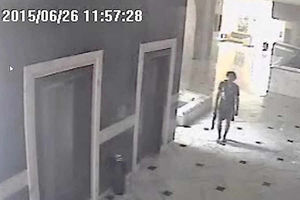
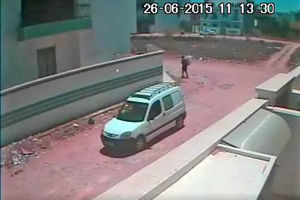
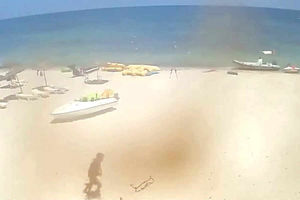
Yesterday's evidence heard a report questioned the security at the beach entrances to some 30 hotels in three Mediterranean resorts.
Rezgui killed around 10 of his victims on the beach and then entered the upmarket hotel from the entrance on the sand.
The resort had previously been targeted by a suicide bomber in October 2013, who killed only himself, the inquest heard.
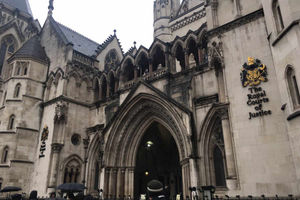
Andrew Ritchie QC, who represents 20 victims' families, read extracts from the heavily redacted report to the hearing at the Royal Courts of Justice in London.
He said: "Given that the attack on the Riadh Palms Hotel in October 2013 was launched from the beach, particular attention was paid to the beach access points.
"It (the report) said 'Despite some good security infrastructure around the hotels and resorts there seems to be little in the way of effective security to prevent or respond to an attack (from the beach)'." Mr Ritchie told the inquest the Government was aware that Islamic State-linked extremists had warned the terror group would target tourists in a video posted on YouTube in December 2014.
The inquests have previously heard that official guidance for tourists to Tunisia said there was a 'high risk of terrorist' at the time of the Sousse attack.
This had not been updated to the highest level of advising against all travel despite a previous terror attack on the Bardo Museum in Tunis in March 2015 that killed 24 people, including 20 tourists.
The January report on the hotel security was carried out by an unnamed man who was in Mumbai in India at the time of the terrorist attack there in 2008, the inquest heard. A counter-terrorism assessment for the Foreign and Commonwealth Office days after June's bloodshed in Tunisia also questioned the security at the beach resorts.
The review by the Tunisian Security Assessment Team (TSAT) found 'facilities security at the hotels to be generally of a low standard'.
Jane Marriott, a director of the Foreign Office's Middle East North Africa Directorate at the time of the attacks on the Bardo Museum and in Sousse, told the hearing that because, prior to the 2010 revolution, Tunisia had been a dictatorship, there was 'little public desire for a more intrusive police presence'. A Briton who survived the attack had been assured it was '100 per cent safe' to go to Sousse by a travel agent when he booked, weeks after an earlier deadly attack on tourists, Mr Ritchie told the inquest. Paul Thomson booked a stay in the Mediterranean resort after being told the Bardo attack was a 'one-off', the lawyer said.
He made the claim while cross-examining Ms Marriott on the travel advice for tourists in Tunisia at the time.
He said Mr Thomson had gone to a TUI shop in his home town of Ilkeston, Derbyshire, in May 2015 with his daughter.
She had read about the attack on the Bardo Museum in Tunis and asked staff in the shop 'is it safe?', Mr Ritchie said. He went on: "(They were told) 'It's 100 per cent safe, this is a one-off'.