Christmas truce football match: New evidence on iconic World War One game
New light has been shed on the role played by football in the First World War ahead of today's anniversary of 1914's iconic Christmas Truce match.
Letters and photographs from the time have been uncovered by Dr Islam Issa, lecturer in English Literature at Birmingham City University, which show that football was an everyday organised activity.
It was encouraged to keep up morale and boost soldiers' fitness levels, and it was played by recruits of all nationalities.
Although some historians have questioned the accuracy of the Christmas Truce match - believed to have been played between Allied and German troops in No Man's Land on December 25, 1914 - Dr Issa's research demonstrates how prominent and widespread football was throughout World War One.
Today is the 102nd anniversary of the Christmas Day game.
Among the items he uncovered is a previously unpublished Christmas letter from a soldier based in France explaining how regularly he trains for the football team.
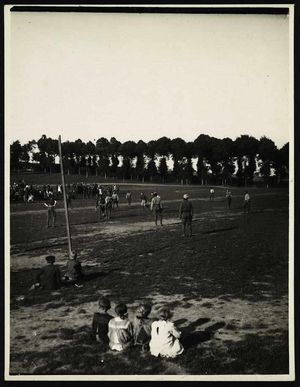
He also found a photograph showing French children watching a British cavalry regiment play a match against Indian soldiers of the 18th Lancers.
Dr Issa has been researching the Muslim contribution to the First World War by going through thousands of personal letters, documents and other archived items, as part of an exhibition commissioned by the British Muslim Heritage Centre in Manchester on January 4.
The materials show how frequently football was played and that the Allies' football teams included soldiers from Commonwealth countries, such as Muslim and Indian servicemen.
Dr Issa said: "It was nice to make some little but telling findings about the role of sport for the soldiers, particularly in the middle of all the other difficulties they were facing.
"The Christmas Truce match is a popular story because it reminds us that regular people were involved in the war and how political choices don't always represent common people.
"What is for sure is that football was widespread during the World War One.
"Officers encouraged the soldiers to play football in order to increase morale and perhaps to keep their fitness levels up too."
The pieces include a previously unreported letter from Christmas 1917, dated December 27, from soldier Nisar Muhammed Khan to his brother in Peshawar, located at the time in British India, now part of present-day Pakistan.
In the letter he apologises for his lack of contact, explaining that he has little free time due to training every morning for the football team.
He wrote: "I have received many letters from you, but have been unable to answer them for lack of time, because, my dear brother … I have been put into the football team.
"Every day, we have to go to the office at 10 or 12am for football, and the office is about two miles away. So I get no time at all."
Dr Issa said: "This is the only such reference I came across while researching Muslim soldiers in the war, suggesting that the football teams would have been predominantly English or French, so it's heartening to know that soldiers from different backgrounds were playing on the same team."