War Horse link to ancestral home
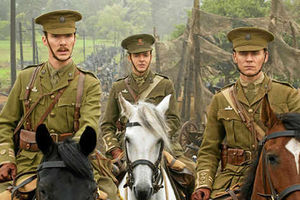
The moving story of War Horse has taken the West End by storm and is the subject of a Hollywood film directed by Steven Spielberg.
The moving story of War Horse has taken the West End by storm and is the subject of a Hollywood film directed by Steven Spielberg.
But while War Horse , a West End production has been are fictional, those of Christ Church, who carried Staffordshire-based Lord Sandon of the British Expeditionary Force, through the horrors of the First World War, are all true.
The thoroughbred gained a reputation for bravery under fire as well as a mischievous streak during lulls in the fighting.
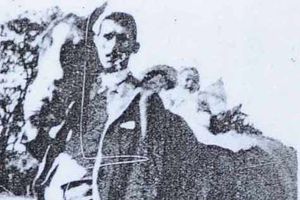
Both horse and rider, heir to the Earl of Harrowby and later the 6th Earl himself, survived the war and when Christ Church eventually died, his head and tail were mounted at Sandon Hall, the family's ancestral home near Stafford.
Visitors to the country house, nowadays a wedding venue as well as a family seat, are charmed by the tribute.
House manager John Guard said: "People are used to seeing stags' heads but a horse's head takes them by surprise.
"Steven Spielberg's film may be grabbing the headlines this week but we're proud we can boast our very own war horse."
Lord Sandon served in the Royal Field Artillery, responsible for transporting guns and mortars on the battlefield, a particularly dangerous task made even harder by the often muddy terrain, which led to guns becoming stuck.
Mr Guard said: "On one occasion, when a gun was caught in a shell hole and machine gun and rifle bullets were rattling all around, the other horses towing the gun were rearing in fright but Christ Church was stood still with with head erect and ears cocked."
Between outbreaks of fighting, Christ Church became known for eating any food left lying around or chewing on soldiers' stirrups if oats were in short supply. said Mr Guard.
He died in December 1933 and was buried at Sandon.