Pub with no music licence hit by ban
If drinkers at a Black Country pub find things a bit quiet from now on, they can blame it on the boogie.
If drinkers at a Black Country pub find things a bit quiet from now on, they can blame it on the boogie.
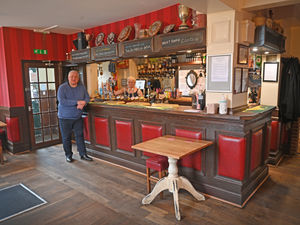
Proprietor of the Royal Exchange in Bloxwich Ian Beattie has been banned from playing music after he was caught blasting tracks including the Jackson Five classic without a licence. Beattie now faces the prospect of a heavy fine or even prison if he disobeys the order, which also applies to any other premises he runs.
The boss, who was not present or represented can also expect a legal bill for £1,426, to be paid in 14 days.
Beattie was caught playing music on the premises when he did not hold a licence from music royalties collectors Phonographic Performance Ltd, PPL.
Mr Justice Floyd was told by Thomas St Quintin, prosecuting for PPL, that one of their inspectors called at the premises on 18 May and heard recorded tracks being played in public, including Labelle's Lady Marmalade and Led Zeppelin's That's The Way even though no licence was in force.
He said that solicitors had sent letters to the premises informing Beattie of the nature and extent of PPL's repertoire and the fact that the playing in public of sound recordings without PPL's licence or permission constitutes infringement of its copyright, and inviting him to acquire a licence.
The ban applies to all forms of mechanically recorded music such as records, tapes and CDs in PPL's repertoire, which covers 97 per cent of all music.
The judge ordered him not to play any more music at any premises he runs until he brings his music licence up to date.
Spokesman for PPL Jonathan Morrish said: "Whenever you play a sound recording in public, a licence is needed.
"A licence is required for any event except a family or domestic gathering, such as a wedding reception or birthday party. PPL sometimes waives fees for charity events."