Cheque fraud ringleader jailed
One of the ringleaders of a massive nationwide benefit cheque fraud, involving a total of more than £3.5 million and targeting post offices in Staffordshire, has been jailed.
One of the ringleaders of a massive nationwide benefit cheque fraud, involving a total of more than £3.5 million and targeting post offices in Staffordshire, has been jailed.
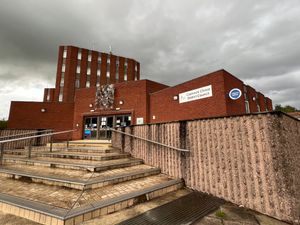
Former asylum seeker Antonio Quissema was sentenced to five-and-a-half years for his part in what Judge Paul Glenn called a "sophisticated and professionally-executed fraud". Stafford Crown Court heard that thousands of benefit cheques were intercepted and forged so they could be cashed at post offices around the country.
One of the main targets was Staffordshire and a map of the county with the location of post offices in the Cannock, Lichfield and Tamworth areas was found at Quissema's address in Chingford, Essex.
His fingerprints were also found on a large number of the stolen cheques which had been altered and cashed.
Quissema, aged 47, from London, admitted six charges of conspiracy to defraud, at Manchester, Sussex, Wrexham, Warrington, Staffordshire and London.
Judge Glenn told him: "I am quite satisfied you were at the heart of these conspiracies."
Miss Frances Hertzog, prosecuting, said the Department of Works and Pensions carried out six separate investigations between 2002 and 2005 into a massive amount of benefit cheques going missing before the intended recipients got them.
"They were professionally altered to be presented by cells of fraudsters. Those involved had an exceptional knowledge of the benefit and postal systems.
"The defendant must have played an important role – his fingerprints were found on a large number of stolen cheques."
Quissema had previously worked as a postman, from 1999 to 2001.
She said in regard to the widespread conspiracy, the total amount was estimated at £3.6 million, involving 11,330 stolen cheques.
But Mr Daniel Murray, defending, said the defendant fled the Congo in 1987, sought asylum in the UK and was granted a British passport in 2001.
He had set up a charity in the Congo and been taken on by the Congolese embassy in Burundi as an adviser.
He was now going to lose that job.