Fight launched on road charging
Local authority leaders from the Black Country were today fighting against plans to introduce road charging – arguing improvements need to be made in transport infrastructure before they can consider the plans.
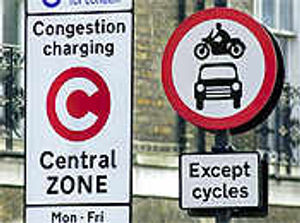
A bid for government funding may be submitted without including provision for road charging, despite the fact £4million has been invested investigating the possibility and drawing up transport proposals.
Steve Eling, deputy leader of Sandwell Council, attended a meeting with the seven leaders of the West Midlands local authorities.
He confirmed the group will be applying for £4.4 billion of government cash – a bid which will be submitted to the government next week – to develop the extension of the Midland Metro but which will not include plans for road pricing.
This is despite the fact that the government has stated that bids including road pricing schemes will be viewed favourably.
The West Midlands group, made up of leaders from Sandwell, Birmingham, Wolverhampton, Dudley, Walsall, Coventry and Solihull, says it needs more time to look into the logistics of introducing some kind of pay-as-you drive scheme.
Authority leaders also argued people would not accept road pricing schemes without viable alternatives.
Ken Meeson, Solihull Council leader, said: "We have written to the government to say that yes, we are bidding for the Transport Innovation Fund, but making clear that there are a whole set of options we need to look at.
"We need more time. We need to have investment made in our transport systems in the West Midlands before we can look at any type of road charging."
At the meeting yesterday the council leaders were still unable to come up with a comprehensive statement on their plans for the future.
They merely concluded the bid for funding should be submitted and gave the go-ahead for further studies on the impacts of road pricing.
Leaders stressed that transport improvements are vital to realise the region's ambitions for regeneration and economic growth, and emphasised the need to tackle current levels of congestion by better use of the existing transport network.