Homage paid to trolleybuses
"When the quiet, pollution-free trolleybuses were replaced with diesel-run vehicles we had no idea what we were letting ourselves in for," says Keith Bodley.
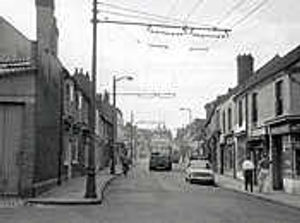
"Wolverhampton was the largest trolleybus manufacturer and they are the ideal form of city centre transport.
"Leeds has announced they are getting them back and I'm sure it won't be long before we see the same thing happening in other cities."
July 7 marks the 80th anniversary of when trolleybuses first travelled from Wolverhampton to Dudley and it is also 20 years since the Black Country Living Museum welcomed them.
"Thousands of litres of diesel are used every day by buses in Wolverhampton and Dudley but trolley buses don't leave any carbon footprint," says Keith, who works at the museum and for Midland Metro and used to work for the Walsall Trolleybus Corporation as an engineer.
"We took these quiet, clean, quick vehicles off the road and replaced them with diesel buses, which we now know cause cancer," he says.
"It used to cost a lot to maintain the overhead cables but when you have a ride on them you realise they make a lot of sense and just how good they are. The last one ran in Wolverhampton on March 5, 1967 but it would be good to see them back."
The electric trolleybuses, which draw power from overhead lines via long poles attached to the roof, are being revived as a cheap alternative to tram networks, which the Government has said are too expensive.
Earlier this month Leeds won funding for a 12.5 mile trolleybus network and other cities, including Sheffield, are also considering trolleybuses after the Department for Transport refused to support new tram lines or extensions to existing lines.
Trolleybuses were superseded by diesel buses, which were cheaper and more reliable and could travel on any street rather than being limited to those with power lines.
But modern articulated trolleybuses, which operate in dozens of European cities have either batteries or small diesel engines that enable them to operate under their own power if the lines come down or the route is blocked.
Trolleybuses also have faster acceleration, going from 0-30mph in 10 seconds compared with 15 seconds for a diesel bus.
"I couldn't understand what they were doing when they took the trolleybuses off the roads," says Keith. "At the time people were apathetic, they just wanted something that would get them to work.
"But it is true that you never miss what you have until it is gone. Trolley buses are more cost efficient than trams.
"Rail installation for trams costs around £15 million a mile, whereas it costs £250,000 a mile for trolleybuses.
"A tram costs around £1.5 million but a trolley bus is £500,000."
He added: "People don't really notice the overhead wires until they get to a busy junction and then it looks like a spider's web. Wolverhampton led the way in trolleybus manufacturing and vehicles were sent all over the world.
"Guy Motors and Sunbeam both made the trolleybuses which had solid tyres and were single deckers that could seat around 70 people."
"A lot of people in the region have fond memories of the trolleybuses, which is why we are holding special anniversary celebrations on July 7 and 8."
The Black Country Living Museum is also looking for anyone who used to be part of a trolleybus crew either as a conductor or a driver.
The first 10 people to call in will be given free entry to the museum for a special memories day on July 4.
* Were you a trolleybus driver or conductor? If so contact Fiona Carding at the Black Country Living Museum on 0121 521 5692.
By Cathy Spencer.