Woodland butterfly boost
A brighter future for butterflies and moths is on the way thanks to an action plan to tackle the decline of rare woodland species in Midland woodlands. A brighter future for butterflies and moths is on the way thanks to an action plan to tackle the decline of rare woodland species in Midland woodlands. The Butterfly Conservation and the Forestry Commission has drawn up a strategy aimed at helping them thrive between now and 2017. Experts visited the Wyre Forest at Callow Hill, near Bewdley, yesterday to officially launch an action plan to help increase the numbers of rare species such as the small Pearl-bordered Fritillary and Dingy Skipper. Some 140 woods, cared for by the Commission, have been identified as key sites for the work. Read the full story in the Express & Star.
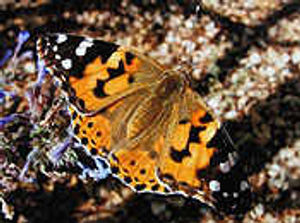
The Butterfly Conservation and the Forestry Commission has drawn up a strategy aimed at helping them thrive between now and 2017.
Experts visited the Wyre Forest at Callow Hill, near Bewdley, yesterday to officially launch an action plan to help increase the numbers of rare species such as the small Pearl-bordered Fritillary and Dingy Skipper.
Some 140 woods, cared for by the Commission, have been identified as key sites for the work.
Of these, 77, including the Wyre Forest, have been designated as priority sites, as they support some of the UK's most endangered species, including the Pearl-bordered Fritillary, the Wood White and the Argent and Sable moth.
The woodland near Bewdley is recognised as one of the most impressive sites for butterflies and moths in the country and supports more than half of the species recorded in Britain.
Work to improve conditions for the endangered Pearl-bordered Fritillary has included the thinning of trees, restoration of flower meadows and the management of bracken to provide the right conditions for caterpillars.
This work is already encouraging violets and other woodland flowers, that the rare butterflies depend on, to thrive.
Local volunteers have also been recruited to carry out weekly butterfly counts during the summer.
The reasons for the fall in woodland butterflies and moths has been linked to a decline in regular woodland management and loss of traditional skills, such as coppicing.