Plague of grubs wrecking lawns
Warm weather is playing havoc with lawns and allotments around the region – by causing plagues of grubs.
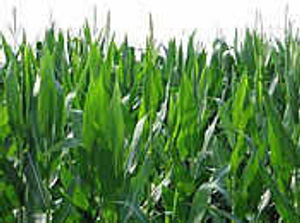
Gardening experts say turf and crops are suffering and bugs, which have survived the mild winter and warm spring, are to blame.
The problems started last autumn when the mild weather sparked a plague of crane flies.
The unusually high number of daddy-longlegs laid their eggs in grassland. Under more regular weather conditions heavy frosts kill them before they hatch. But with temperatures remaining higher than usual, the grubs have hatched and grown unchecked.
The grubs, known as leatherbacks, grow to around half an inch long.
They feed on grass roots and are devastating to lawns in large numbers.
Signs of infestation include patches of mud, dead spots where the grass has turned brown and debris caused by birds digging them up.
Richard Simpkin, from Essington Fruit Farm, said it was not just lawns that were affected. He said: "It was noticeable how many daddy-longlegs were around last year.
"They lay their eggs in grass so anyone with an allotment who has turned over a grassy patch ready for planting this spring could be affected.
"I've known them attack all sorts of crops," Mr Simpkin added.
He said gardeners should check for the insects before planting their vegetables and advised using pesticide if the bugs are there in numbers.
He said: "Birds make a mess of lawns looking for these grubs.
"You can stop that with netting but really they are doing you a favour by eating them so if you can put up with the mess you should leave them to it."
Mr Simpkin said conditions were ideal for planting this weekend and he was putting in his strawberries.
He said: "Gardeners should have a good look in their soil.
"The only way you can prevent these things getting in is to turn the grass over before they start laying in the autumn."